Waste is an unused waste material that hurts society and the environment if it is not managed wisely. Waste is also defined as the rest of production both from nature and the result of human activities. Waste can be grouped into three, namely waste based on its compounds, waste based on its form, and waste-based on its source. The types of waste based on their compounds are grouped into three, namely:
1. Organic waste
Waste that comes from living things that are easily decomposed naturally and easily decomposed. Examples of organic waste, such as leaves that fall to the ground, grass, food scraps, vegetable and fruit skins, human and animal waste, and animal bones.
2. Inorganic waste
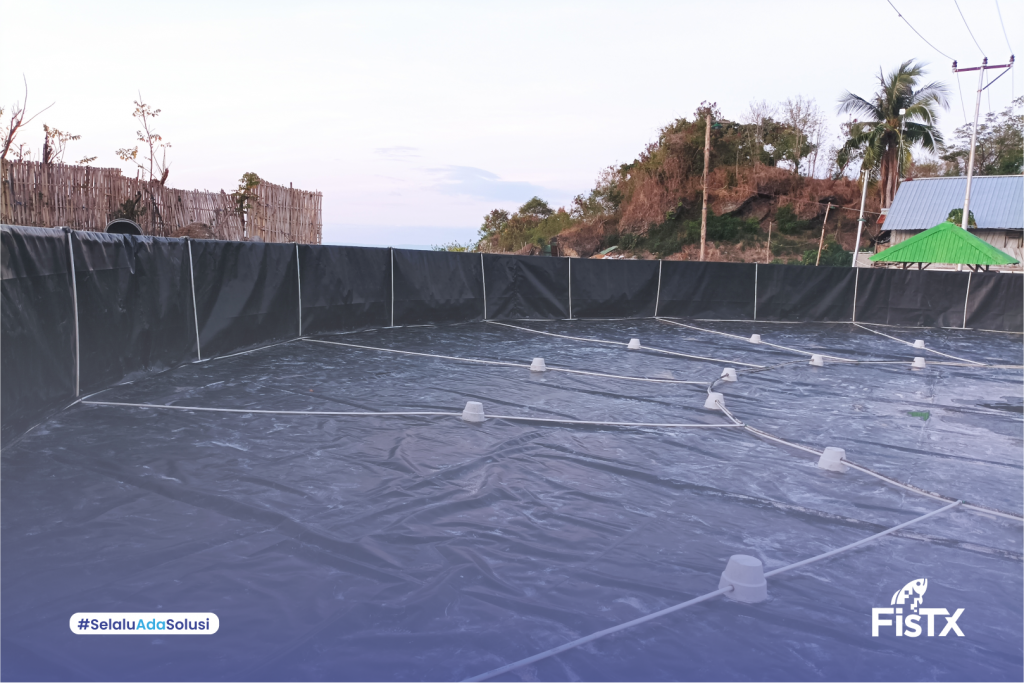
Inorganic waste is waste that comes from the remnants of human activities and this waste is very difficult to decompose naturally and decompose naturally. Therefore, this type of waste is very dangerous for humans and other living things. Examples of inorganic waste, especially in vannamei shrimp culture, are located in the construction and packaging of ready-to-harvest prawns, such as HDPE plastic which is no longer suitable for use, used plastic for shrimp fry packaging, liquid waste used in soapy water when preparing tubs or shrimp ponds.
3. Hazardous Waste
The term “B3” stands for Hazardous and Toxic Materials. From the name alone, this waste can threaten and endanger the environment. Human health is also seriously threatened by the presence of B3 waste. Examples of this waste in the production of vannamei shrimp, both in cultivation and processing, are WWTP mud for vannamei shrimp ponds and dead shrimp due to contamination with dangerous viruses that are not immediately destroyed.
Types of waste based on their form are grouped into three, among others:
1. Solid waste
Solid waste is waste that is in solid form and comes from the rest of the results of domestic activities or industrial activities. Common examples of solid waste, such as paper, iron filings, cloth, plastic, wood, and iron filings. Examples of waste generated from the vannamei shrimp production process are feed residues, feces, and dead shrimp bodies that settle in ponds, waste from shrimp processing in the form of skin or chitin.
2. Liquid waste
Waste is in the form of looking and derived from the remnants of the results of domestic activities or production processes. Liquid waste itself is in the form of water that has been mixed or suspended with waste materials resulting from the remnants of production. An example of waste from the production of vannamei shrimp in aquaculture effluent contains a concentration of ammonia.
3. Waste gas
Waste in which air is the medium. The more waste gas that rises into the air, the lower the air quality. Waste gas that is left in the air can disrupt the health of humans and other living things. Gas waste itself can come from motor vehicle fumes, forest fire smoke, factory smoke, and others. The waste from the production of vannamei shrimp is dead shrimp or shrimp processing results that are disposed of carelessly, causing a foul odor in the surrounding environment.
Types of waste based on the source are grouped into six, among others:
1. Industrial waste
Industrial waste is waste that comes from the remnants of the production process in an industry. As we know that there are various kinds of industries. Therefore, industrial wastes are also very diverse and depend on what industry is being run.
2. Agricultural waste
Agricultural waste is waste originating from agricultural activities. In general, this agricultural waste is generated from the application of fertilizers and pest control. That's because both of these materials contain a lot of chemical substances that can damage the soil ecosystem so that the quality of the soil decreases.
3. Medical waste
Medical waste is waste or waste originating from medical facilities and equipment. This medical waste can be found in hospitals, clinics, and health centers. This type of waste if left continuously is very dangerous because every medical device used contains body fluids such as blood or other contaminants.
4. Mining waste
Mining waste is waste that comes from mining activities. The polluted environment due to mining waste can be seen from a large amount of metal and mercury that comes from the remnants of the mining process. Examples of mining waste, namely arsenic, smoke, sulfuric acid, lead, mercury, mercury, and the like.
5. Tourism waste
Tourism waste is that which comes from human activities when traveling or traveling. In general, this waste is in locations that are often visited by people when traveling.
6. Household waste
Household waste is waste originating from human activities in the home or environment. Therefore, household waste is also called domestic waste. For example, water for washing clothes, dishes, vehicles, soapy water after bathing, human waste, unused plastic, plastic bottles or cans, and so on.
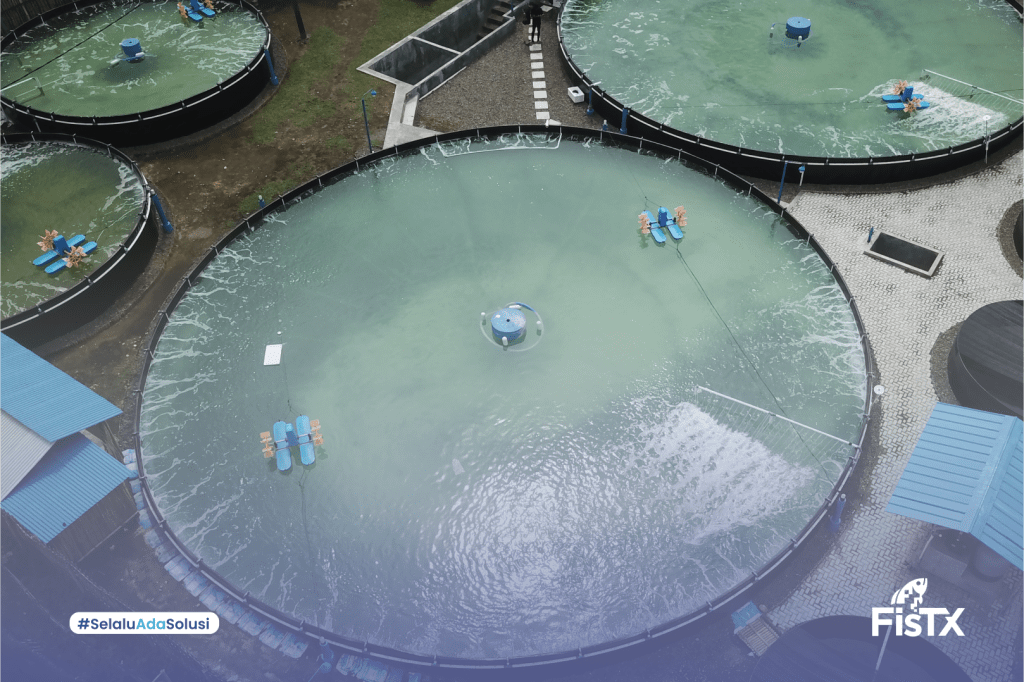
Of the many types of waste above, fishery waste from vannamei shrimp cultivation can be grouped into organic waste based on its compounds. As for based on its form, it can be grouped into types of solid, liquid, and gas waste. Meanwhile, based on the source, vannamei shrimp culture waste comes from agricultural activities in the fishery sector and can also be classified as industrial waste.
Vannamei shrimp waste is mostly sourced from the remains of the shrimp skinning industry consisting of heads, shells (shells), and legs. Shrimp waste production in Indonesia reaches 141,040 tons/year, 4% of shrimp production 352,600 tons/year (Directorate General of Cultivation, Ministry of Marine Affairs and Fisheries, 2010). The content of processed shrimp waste is 36.75% crude protein, 5.72% crude fat, 14.49% crude fiber, 13.99% Ca (calcium) and 1.28% P (phosphorus) (Palupi, 2005).
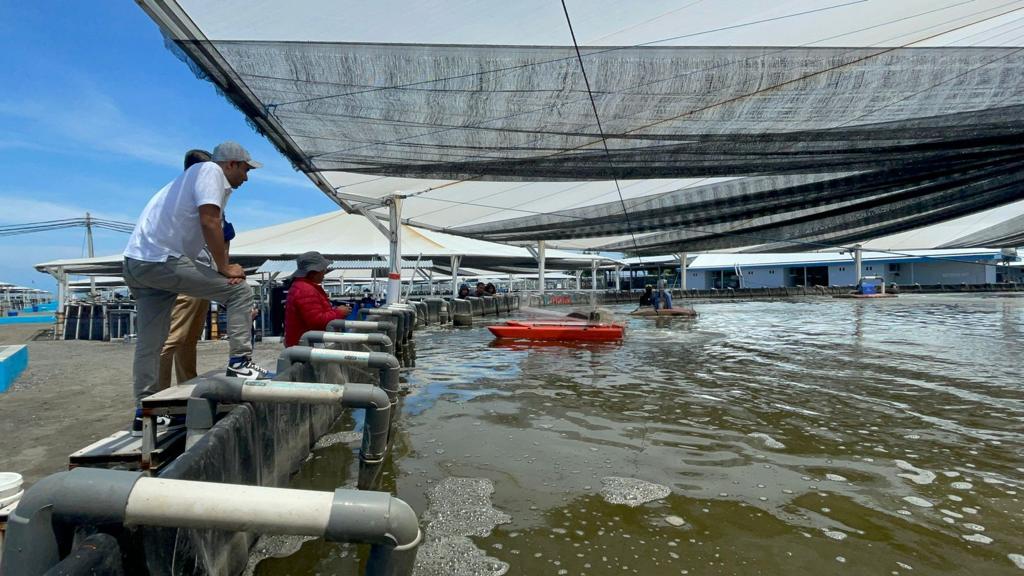
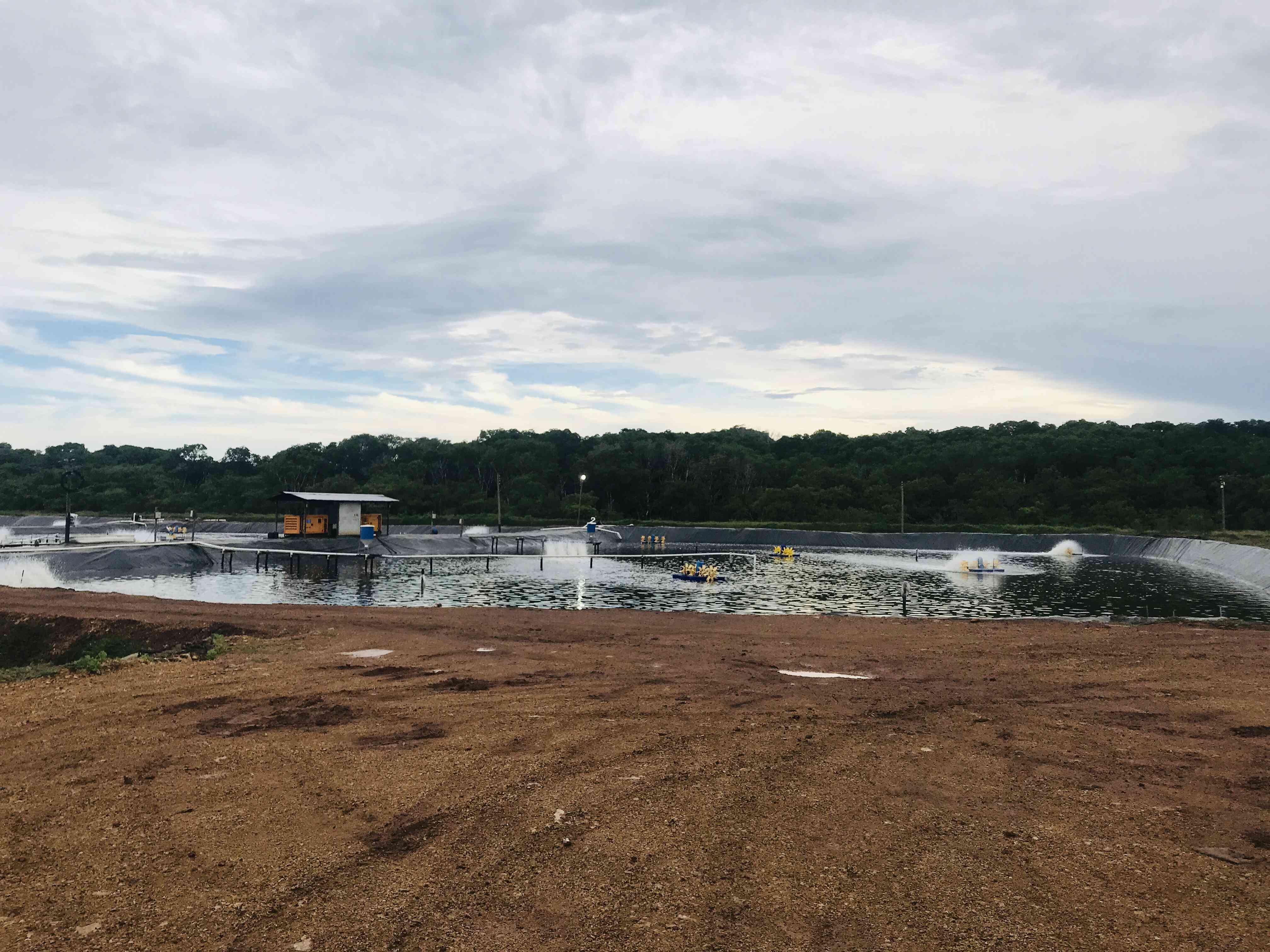
Apart from the processing industry, vannamei shrimp waste also comes from aquaculture. Aquaculture waste includes ammonia, organic matter, and solids. Shrimp pond solid waste contains 1.92% C organic; 0.54% of total N; and 1.70% P. According to literature, the levels of nutrients contained in the solid waste of shrimp ponds are sufficient for Chlorella sp. for its growth because algal cells need 0.063 g N and 0.009 g P to produce 1 g of new algal cells (Zhang et al., 2012). The solid waste can be used as fertilizer to stimulate the growth of Chlorella sp.
References
Direktorat Jendral Budidaya Departemen Kelautan dan Perikanan, 2010.
Palupi, R. 2005. Pengaruh lama pengukusan limbah udang yang direndam dengan filtrat air abu sekam terhadap kualitas limbah udang dan pemanfaatnnya pada ayam boiler. Tesis S2 pada Program Studi Ilmu Ternak Pascasarjana Universitas Andalas Padang.
Zhang, Y., Su, H., Zhong, Y., Zhang, C., Shen, Z., Sang, W., Yan, G., and Zhou X. 2012. The effect of bacterial contamination on the heterotrophic cultivation of chlorella pyrenoidosa in wastewater from The production of soybean products. Water Research. 46. 5509 5516