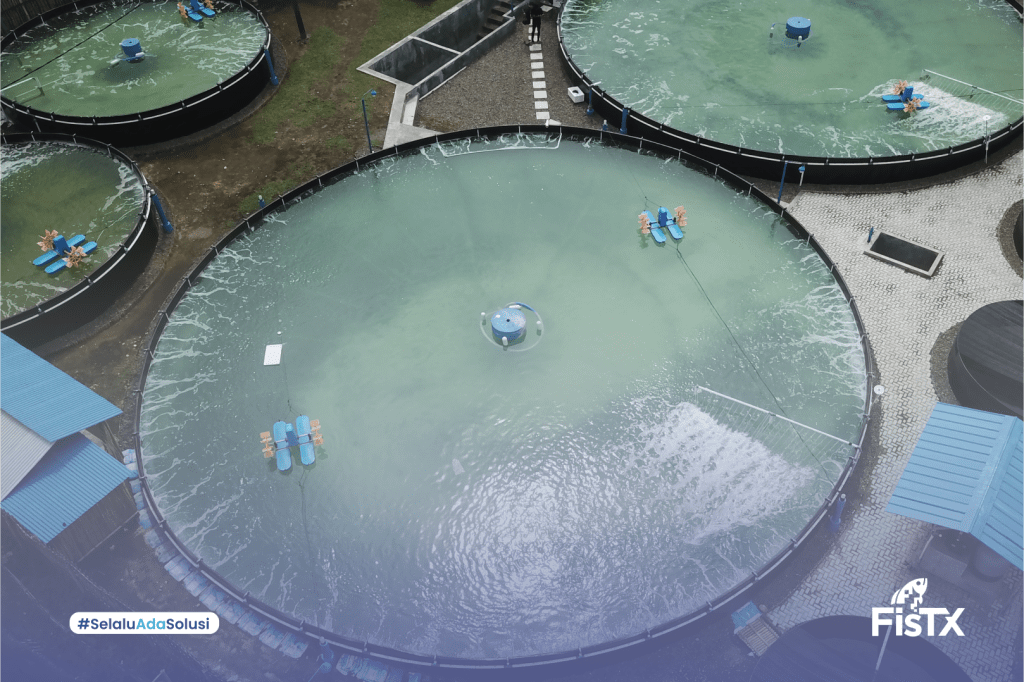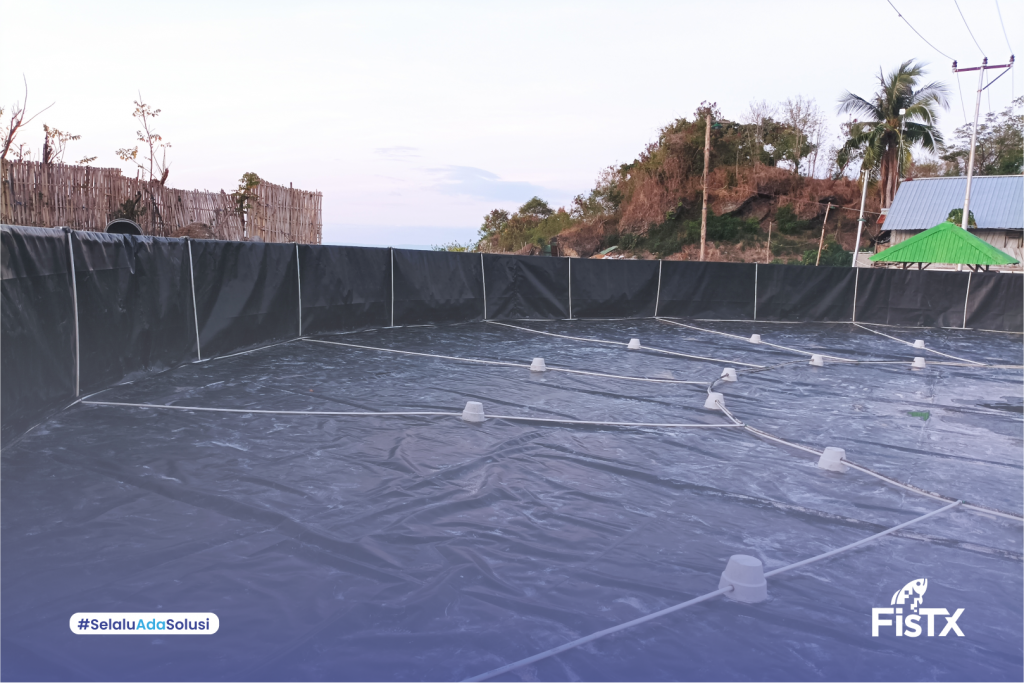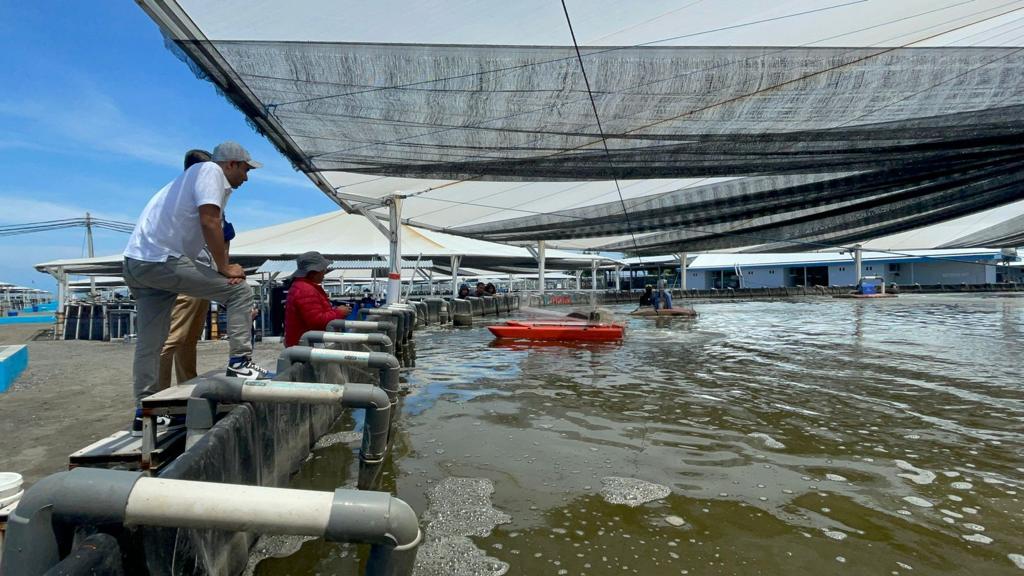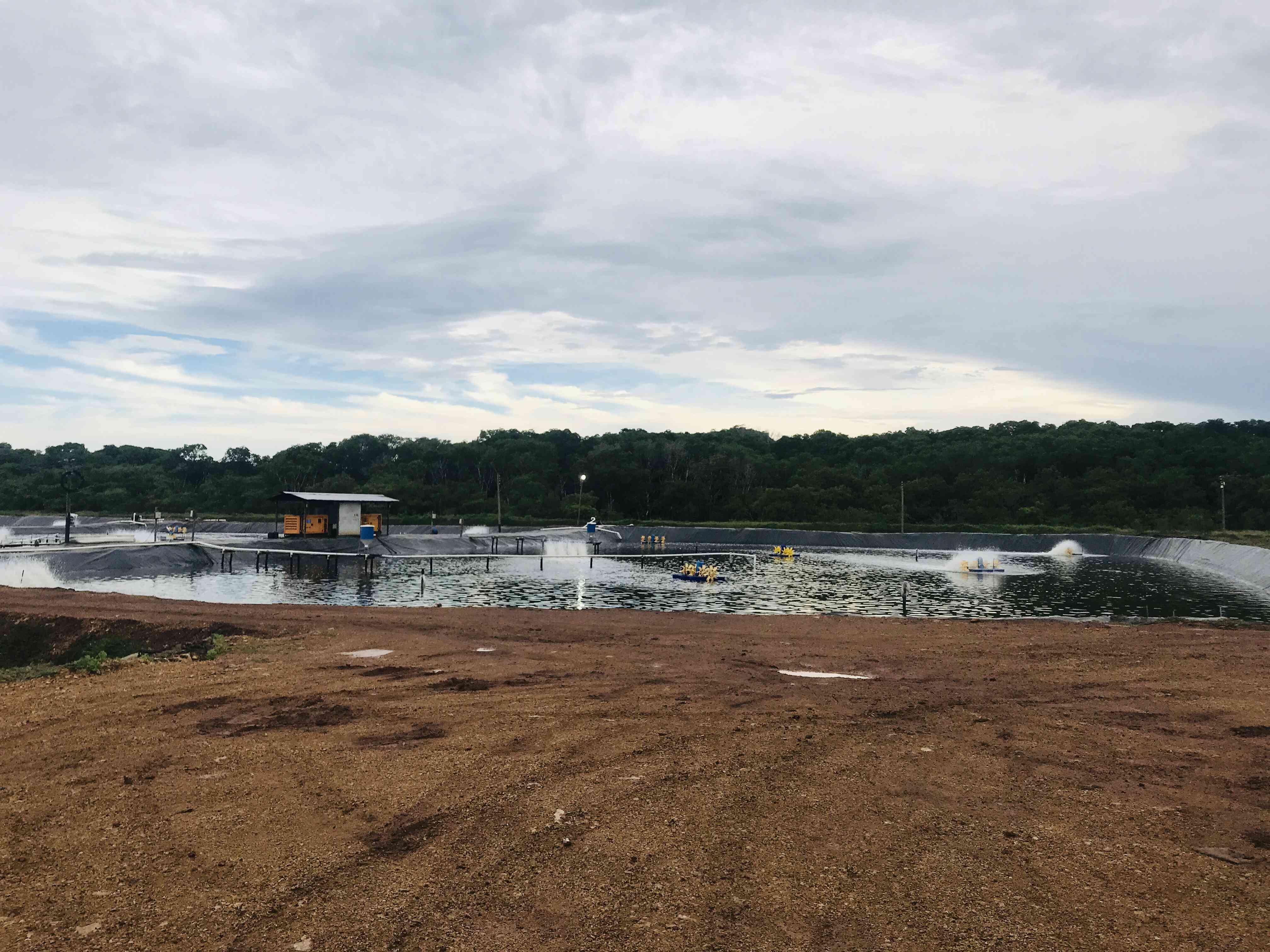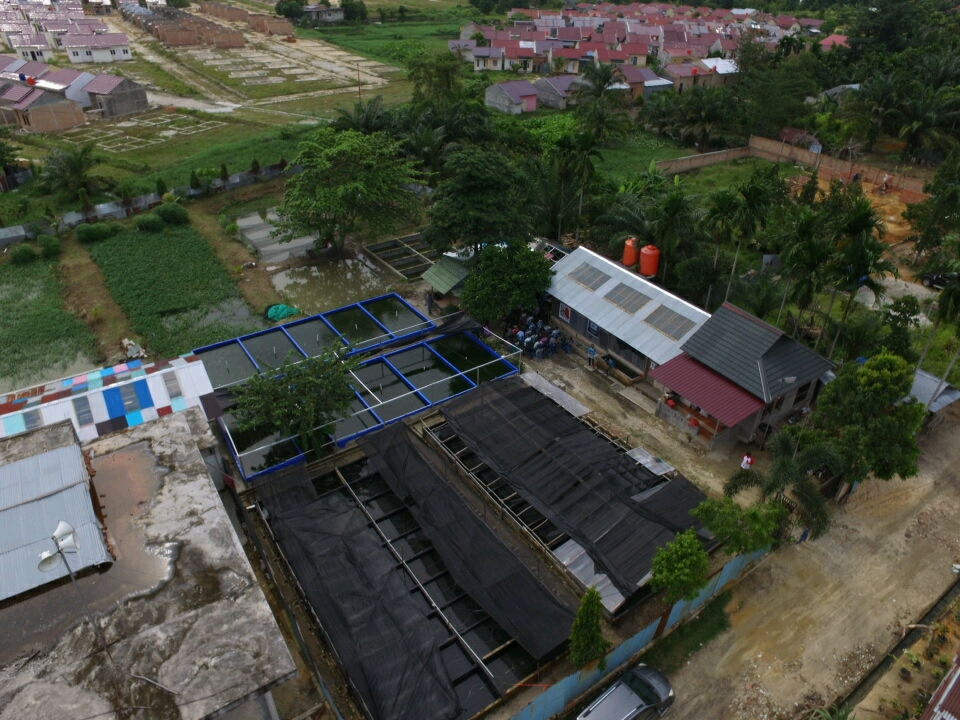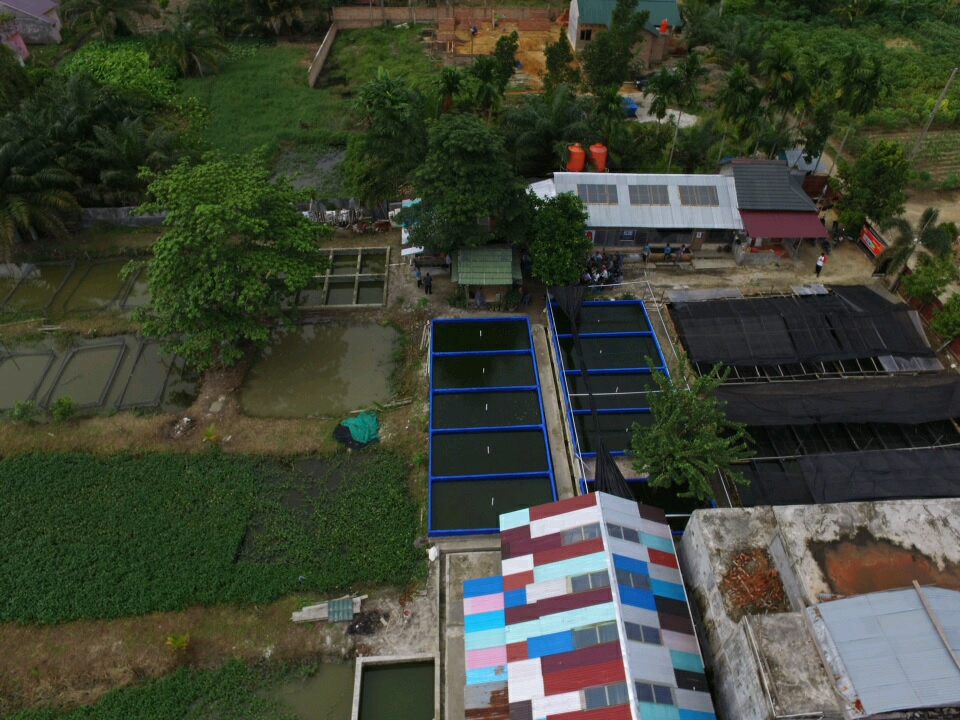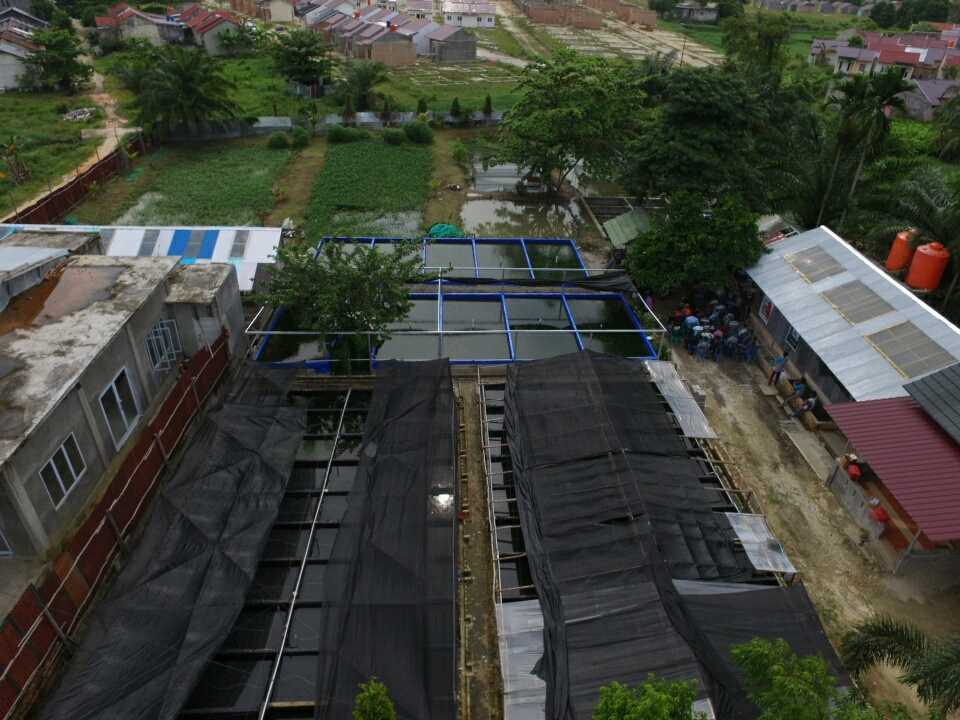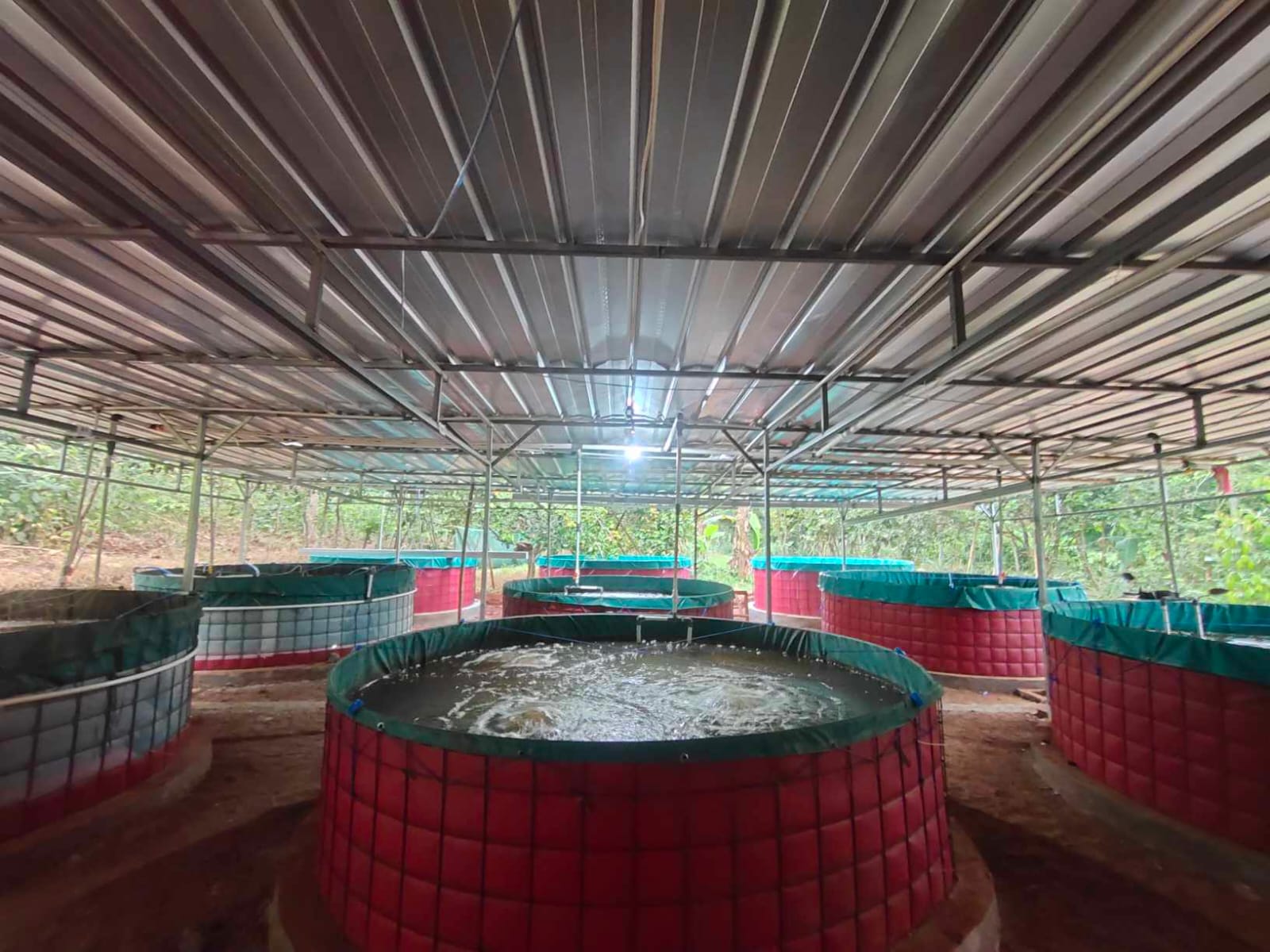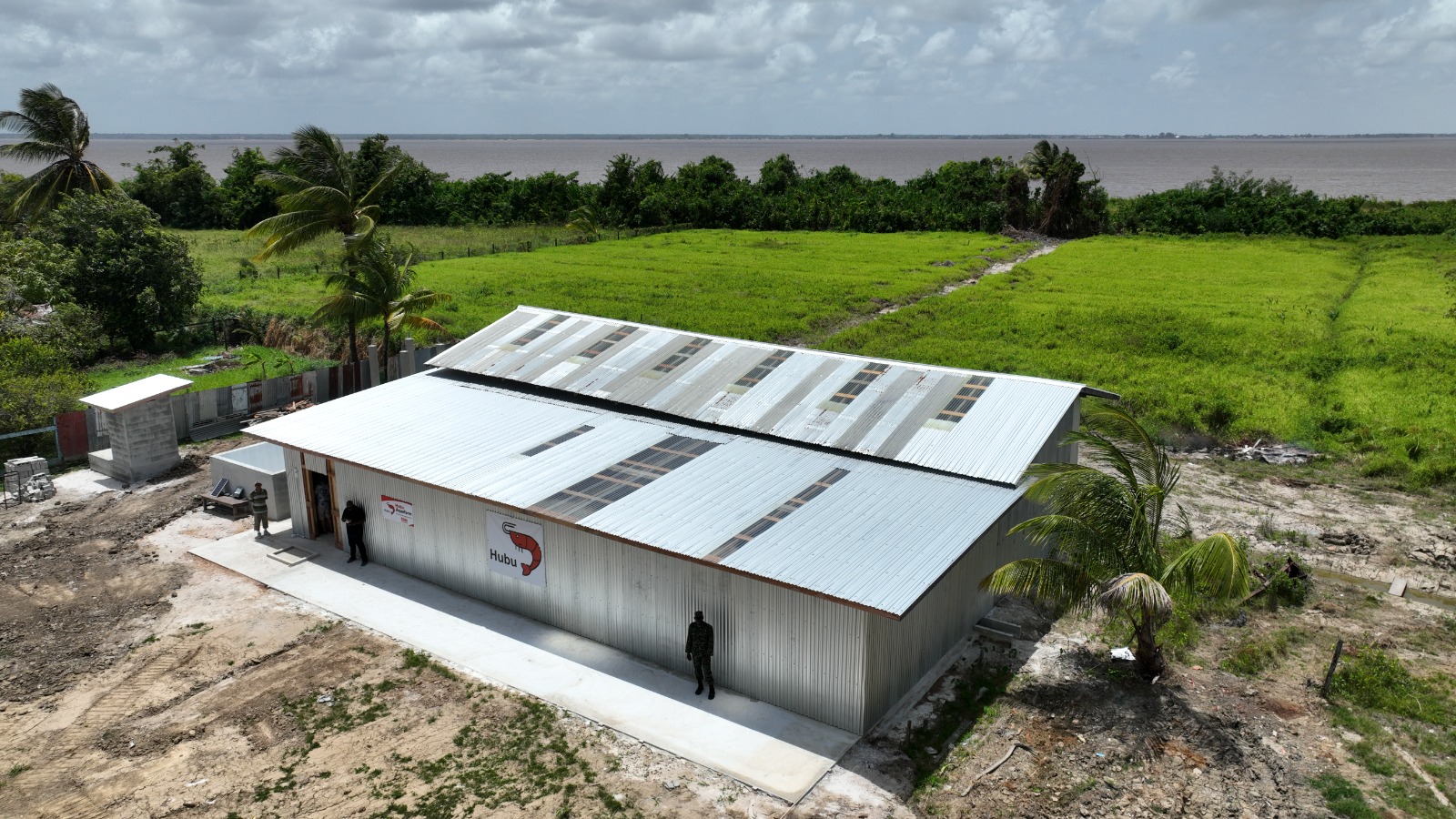
Water media is crucial in the success of vannamei shrimp hatchery cultivation. Water is a living environment for shrimp seeds to grow and develop. Water quality can decrease with increasing maintenance time. This is caused by several factors, including the accumulation of toxic compounds from uneaten feed, the metabolism of shrimp in the form of feces, and shrimp competition for oxygen (O2) (Laeli, 2019). One of the impacts of the accumulation of toxic compounds is the formation of ammonia and nitrite which are harmful to shrimp growth. These poisonous compounds will cause the dissolved oxygen content in the pond to decrease and the water quality will also decrease so that while rearing the shrimp needs to be oxidized (Avnimelech et al., 1994)
Water quality in the vannamei shrimp hatchery culture media requires good water management. In treating good water, the steps that can be taken are to install a filter at the end of the water intake hose. After that, measure water quality parameters, including temperature, pH, salinity, turbidity, and dissolved oxygen.
a. Temperature
Vannamei shrimp egg-hatching media should have a warm temperature ranging from 20-32oC, the eggs will hatch in an average period of 10 hours (Malik, 2018).
b. The potential of Hydrogen (pH)
The level of acidity or commonly called pH can be interpreted as the negative logarithm of the concentration of hydrogen ions (H+). In pure water, there is a balanced amount of H+ and OH- ions until the pH of pure water is 7. After that, it can be stated that the pH value lies between 1-14 with the number 7 as a neutral value. Generally, seawater is alkaline, which means it has a pH level of more than 7 (alkaline). A suitable pH for shrimp growth is 7-9 and a suitable pH for egg development is around 8.0. (Malik, 2018).
c. Turbidity
Media for spawning and hatching must be in clean condition. The goal is that there are no fine particles of mud left in it. The mud particles need to be filtered using a stratified or depositional system. Water filtration using a 0.1-micron filter can improve water quality (Kokarkin, 2000).
d. Salinity
The optimal salinity for hatching media is 31 ppt (Nurdjana, et al., 1989). According to Ilyas et al (1995), the salinity of seawater used as a medium for hatching white shrimp eggs is clean seawater with a salinity of 20-30 ppt.
e. Dissolved Oxygen
The availability of dissolved oxygen is essential for aquatic organisms. The dissolved oxygen (DO) requirement for optimal shrimp culture ranges from 3-6 ppm. Dissolved oxygen supply can be through aeration (Sistiyanto, 2020). Aeration in the water for laying and hatching media is arranged so that it is not too strong, the aeration ability in the hatching media is 1.3 liters/minute/m3 of base area (Nurdjana, et al., 1989).
f. Criteria for water quality parameters
|
|
|
|
|
|
|
|
|
|
|
|
|
|
|
|
|
|
|
|
|
|
|
|
||||
|
|
|
|
|
|
|
|
|
|
|
|
|
|
|
|
|
|
|
|
|
|
|
|
|
|
|
|
References
Avnimelech, Y., M, Kochva., dan Shaker. 1994. Development of Controlled Intensif Aquaculture Systems with A United Water Exchange and Adjusted Carbon Nitrogen Ratio. Bamidgeh, 46(3) : 1999-31.
Ilyas, S. 1995. Perubahan Fisiologis dan Biokimia Benih dalam Proses Seed Conditioning. Keluarga Benih. No 2.
Kokarkin, C. dan Kontara, E.K. 2000. Pemeliharaan udang windu yang berwawasan lingkungan. Sarasehan Akuakultur Nasional, Bogor Lagrega,MD, PL Buckingham, J.C Even, 1994. Hazartus Waste Management. Mac. Graw Hill Inc
Laeli, N, R. 2019. Pengelolaan Kualitas Air Pembesaran Udang Vaname (Litopenaeus vannamei) Pada Tambak Intensif di PT. Agro Nusantara Halid, Bulukumba. Tugas Akhir. Politeknik Pertanian Negeri Pangkep.
Nurdjana, M.L, Djunaidah, S. & Sumartono, B. 1989. Paket Teknologi Pembenihan Udang Skala Rumah Tangga. Direktur Jenderal Perikanan bekerja sama dengan International Development Research Center. Jakarta
Sistiyanto, H., 2020. Dissolved Oxygen, Oksigennya Organisme Akuatik. [Online] Available at: https://kkp.go.id/brsdm/artikel/18575-dissolved-oxygen-oksigennya-organisme-akuatik [Diakses 6 Juli 2022].