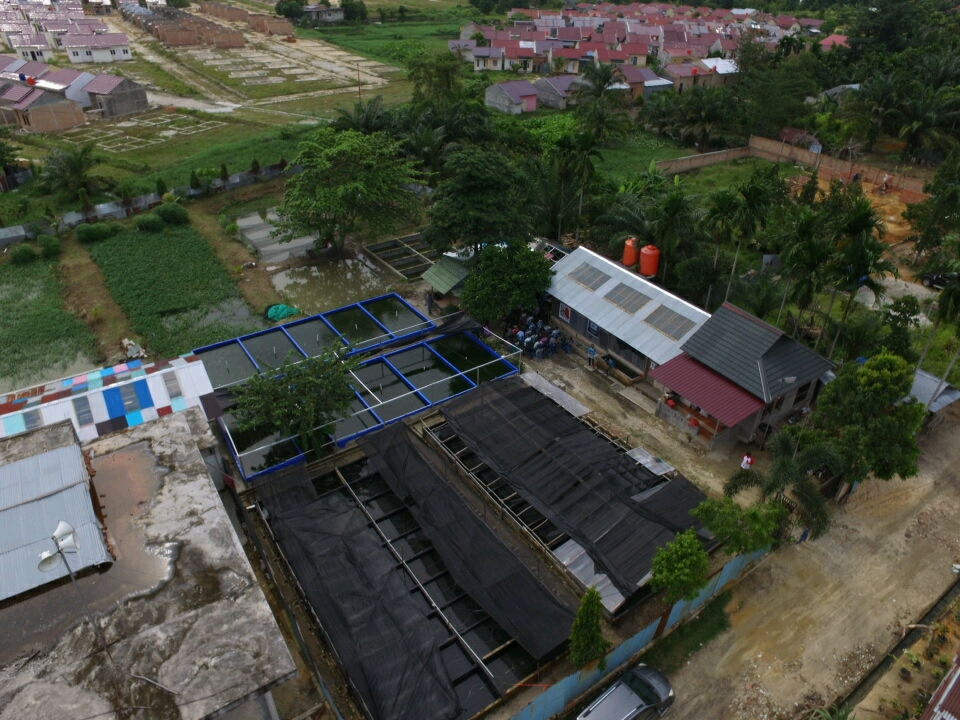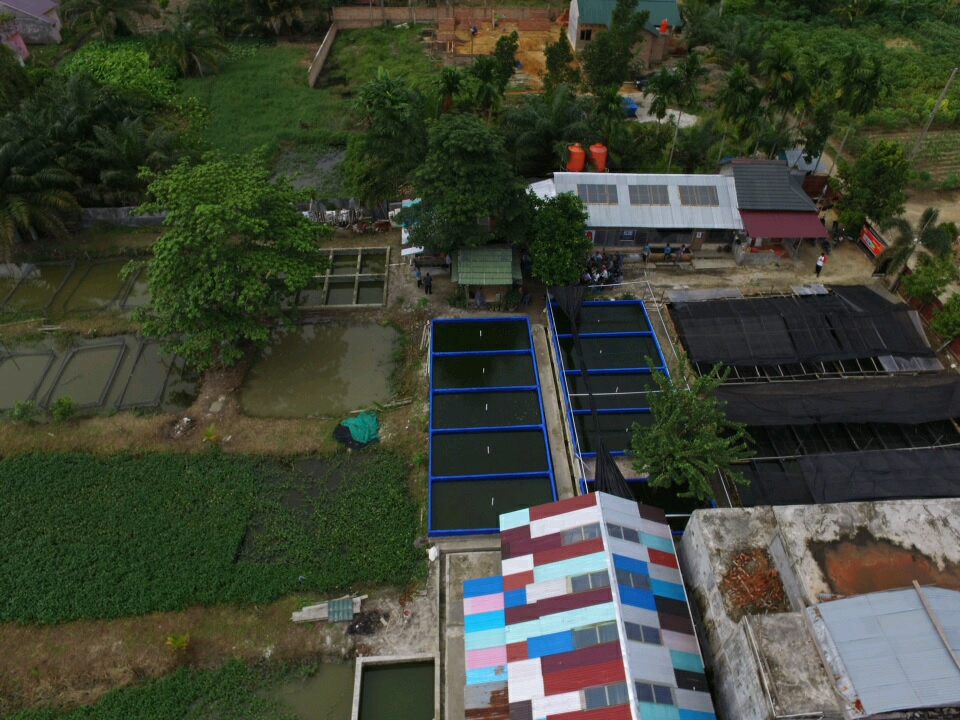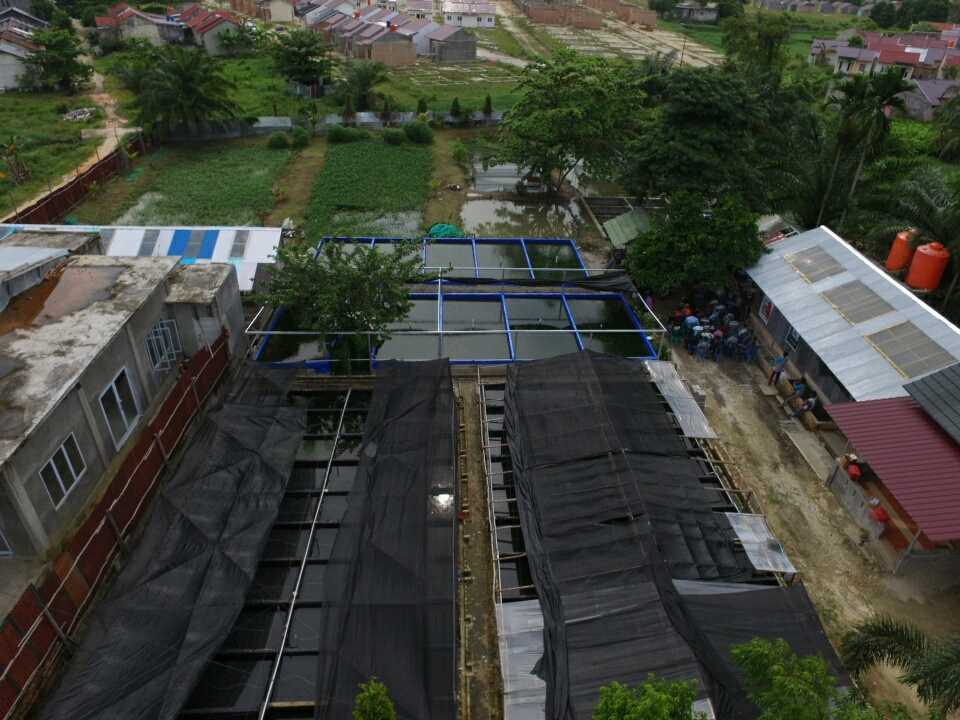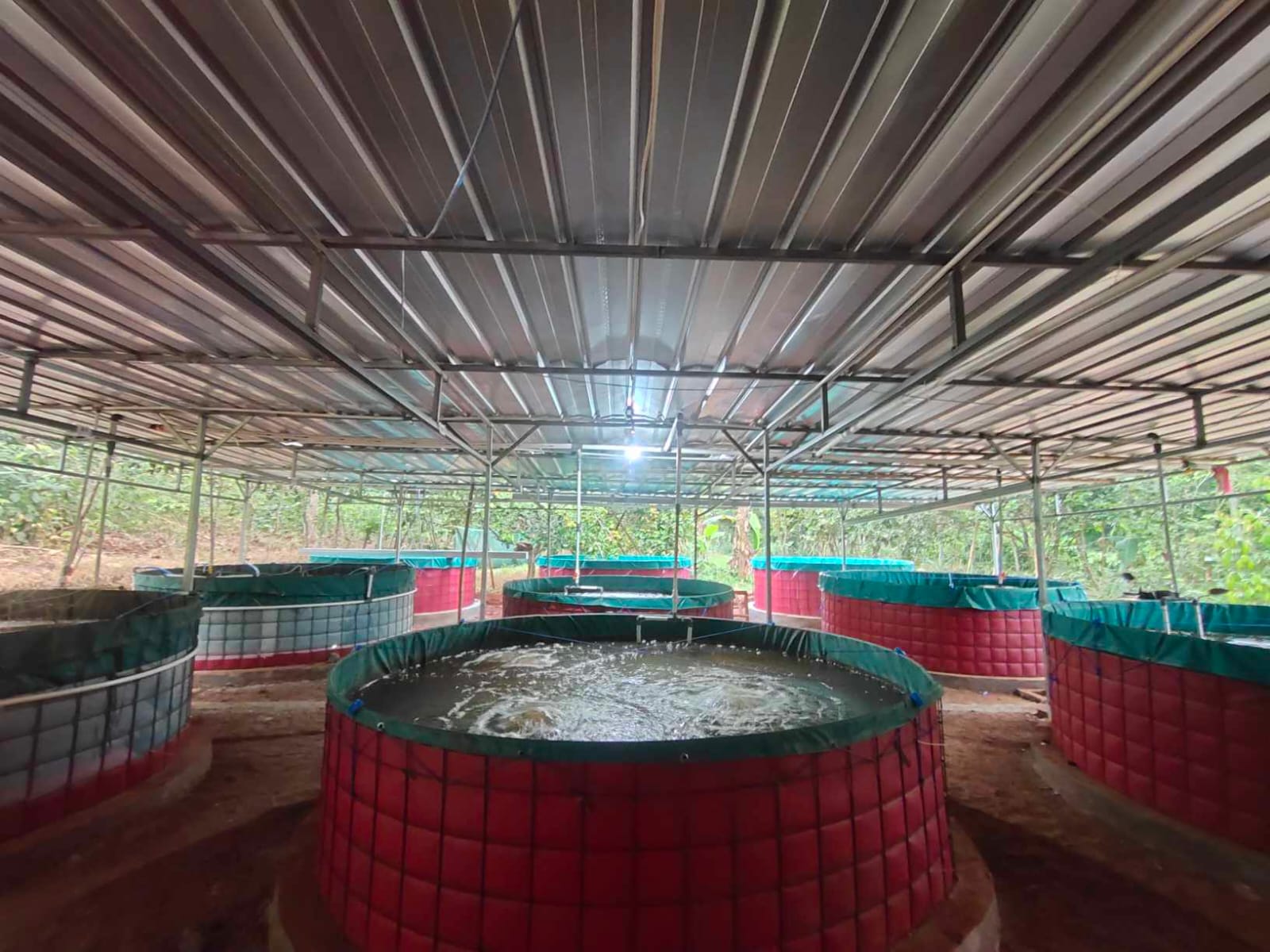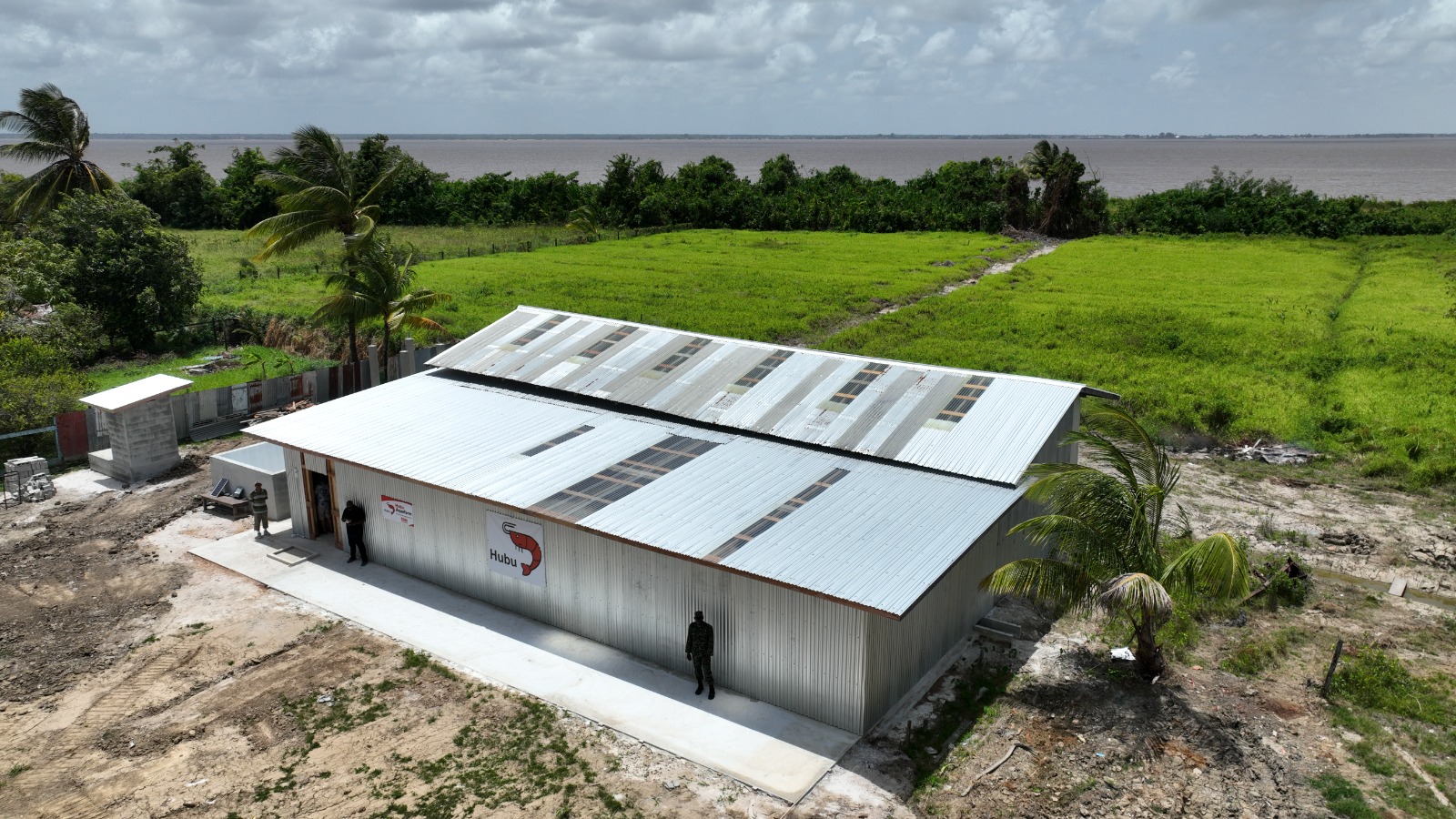
The hatchery is the first step in cultivating fishery resources, including vannamei shrimp. The maintenance of the broodstock and larvae begins the process, which involves several steps, including preparation of the rearing tanks, stocking of nauplius, and management of feed and water quality. The final step is harvesting the eggs. This article will delve into the maintenance of vannamei shrimp broodstock in more detail.
Step 1: Preparation of Rearing Tanks
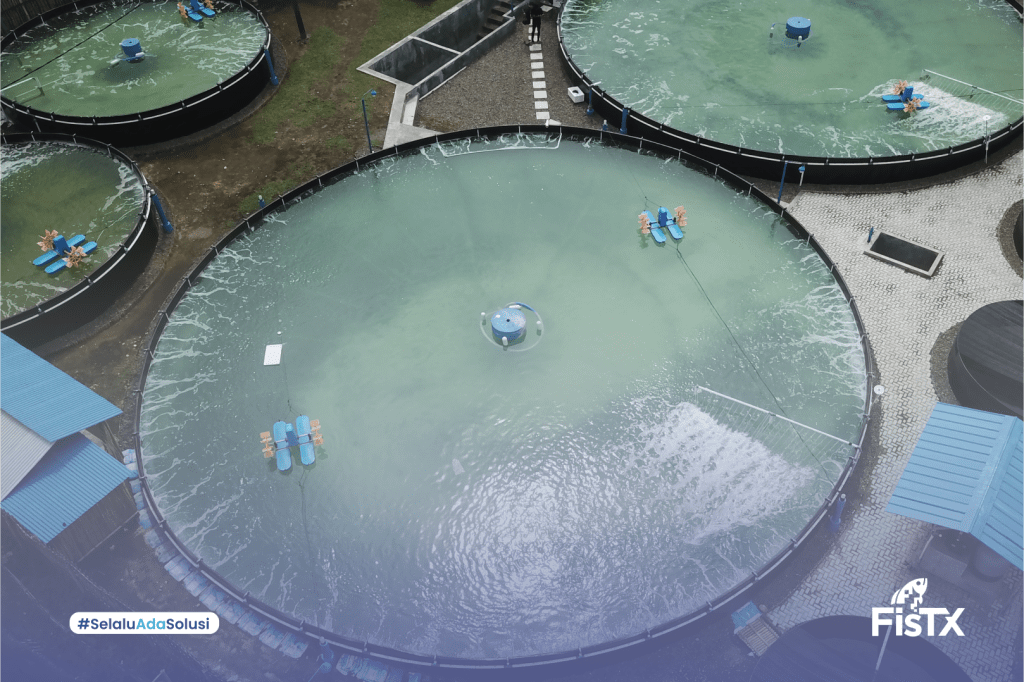
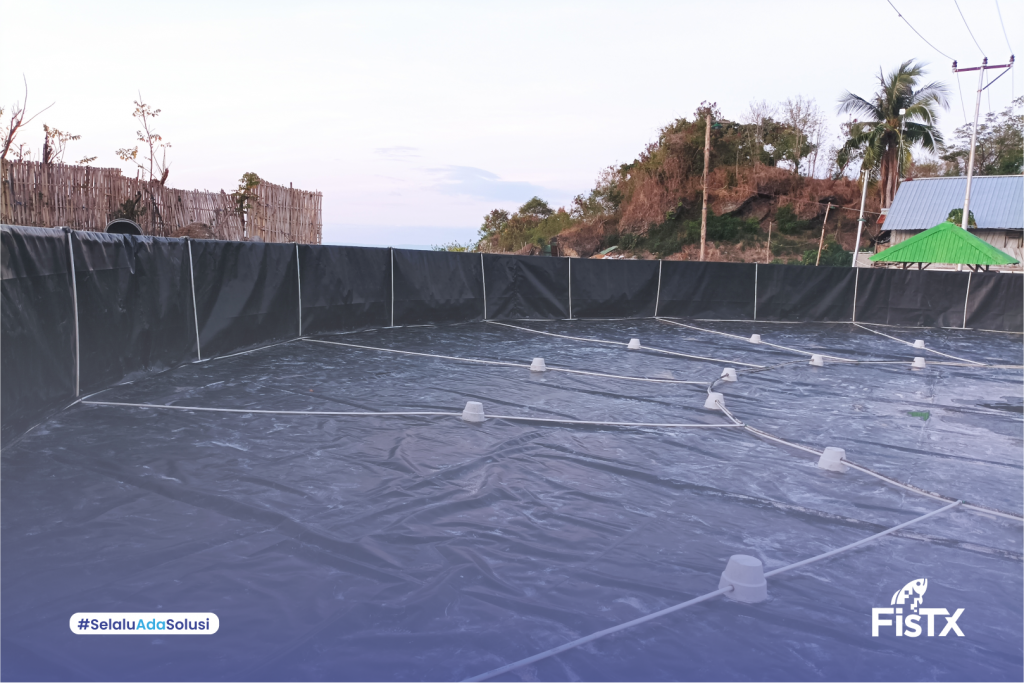
The first step in preparation is to clean the broodstock-rearing tanks of any accumulated dirt or moss. To achieve this, mix 30 grams of detergent with 2 liters of fresh water and use a brush to scrub the walls and bottom of the tank. Allow the mixture to sit for 24 hours for optimal results, then sanitize the tanks using ten parts per million of chlorine.
Step 2: Preparation of Maintenance Media
The hatchery uses seawater as maintenance media, which requires the proper installation of filters, pumps, and a seawater distribution network to obtain high-quality seawater. A submersible pump is used to collect seawater, which is then passed through a 6-inch diameter pipe into a sedimentation tank for filtering. The filtering process includes mechanical filters such as quartz, pumice, palm fiber, wood charcoal lined with a polyethylene plastic mesh, and a UV system filter. The seawater is passed through the sand filter three times to produce clear seawater, then subjected to 4 30-watt UV rays to kill microorganisms and produce sterile water. The sterilized water is stored in a reservoir.
Freshwater is sourced from a drilled well, drawn up using a suction pump installed at 40 meters, collected in a reservoir, and then passed through a 1-inch PVC pipe into the hatchery unit, which can be adjusted with a faucet. Freshwater is used for washing tanks and production equipment, lowering the seawater's salinity in the broodstock-rearing tanks, and acting as a natural anesthetic to reduce stress levels in the vannamei shrimp brooders and prevent death.
Step 3: Purchasing and Selecting Broodstock
Vannamei shrimp broodstock can be purchased from the Shrimp Improvement System (SIS) in Hawaii and Florida, which is considered the best in the world. The Hawaiian broodstock has Specific Pathogen Free (SPF) certification and is the F1 offspring. Upon arrival, the broodstock is quarantined for 14 days in concrete tubs that measure 8 x 4 x 1 m2. The quarantine containers are prepared three days before the arrival of the broodstock by washing with 10g L-1 detergent, rinsing with seawater, installing an aeration system, and watering with a 400 µL L-1 povidone-iodine solution. Povidone-iodine has broad-spectrum antimicrobial activity against bacteria, fungi, protozoa, and viruses and can treat acute and chronic wounds. The container is filled with 12.8 tons of water or to a water level of 40 centimeters.
Step 4: Broodstock Maintenance Management
- Feed Management
Vannamei shrimp broodstock is fed four times daily with a portion of its biomass as food, approximately 30-40%. The feed consists of natural sources such as sea worms (Nereis sp.) and oysters. Additionally, male broodstock is provided with oysters and supplements or multivitamins (up to 2 ppm) to enhance gonad maturation and improve immunity, as documented by Felix & Perez (2002). Multivitamins contain essential vitamins, enzymes, and amino acids for the well-being of the shrimp. High-protein, high-fat, and vitamin-rich feeds can also help maintain the shrimp's resistance to disease.
- Water Quality Management
The water quality in the broodstock rearing tanks is maintained through an inlet and outlet channel system for water exchange. The system discharges 10-12 m3 of water from an outlet pipe at a height of 0.7 m. Water exchange occurs in the morning, followed by the collection of a sample for gonad maturity during the day and the collection of a mating sample in the afternoon (70% reduction).
Step 5: Broodstock Spawning
The spawning of Vannamei shrimp involves transferring mature female broodstock to tanks with male broodstock. Before this, the female broodstock undergoes eyestalk ablation to induce endocrine maturity and accelerate gonad maturation. Usually, the left eye stalk is cut, but if the right eyestalk is damaged, the right one is cut instead to preserve the shrimp's vision (Iskandar et al., 2021).
Vannamei shrimp mating is most active at sunset, unlike other crustacean families that mate at night. The mating process can be monitored by observing the behavior of female broodstock after the transfer of male broodstock to the mature tanks. The mating process consists of four stages: approach, pursuit, breeding, and mating (Subaidah et al., 2006). During the approach stage, the male broodstock follows and approaches the female. In the pursuit stage, the male appears to chase the female. During the breeding stage, the male swims parallel to the female, turns to face them perpendicularly, aligns their bodies in the opposite direction, grips the female, and jerks its head and tail during the mating stage to release sperm and attach it to the thelicum. The process lasts 2-6 seconds before the male breaks away from the female (Afrianto and Muqsith, 2014).
Step 6: Egg Harvesting
Egg harvesting is performed by opening the outlet of the spawning container and filtering the eggs through a 150-mesh sieve. Any remaining eggs in the spawning vessel should be rinsed gradually until all eggs have been harvested. The harvested eggs are then cleaned with a mixture of water and povidone-iodine solution (100 µL/L) and filtered through a 56-mesh sieve. After settling for 1-2 minutes, the eggs are transferred to the hatching container (Iskandar et al., 2021).
Preferences
Afrianto, S dan Muqsith, A. 2014. “Manajemen Produksi Nauplius Udang Vaname (Litopenaeus Vannamei)” . Instalasi Pembenihan Udang Balai Perikanan Budidaya Air Payau, Gelung, Situbondo, Jawa Timur. JSAPI.5(2):53-64.
Anam, C., A. Khumaidi, dan A. Muqsith. 2016. “Manajemen Produksi Naupli Udang Vaname (Litopenaeus vannamei)”. Instalasi Pembenihan Udang (IPU) Gelung Balai Perikanan Budidaya Air Payau (BPBAP) Situbondo Jawa Timur. Samakia: Jurnal Ilmu Perikanan, 7 (2): 57-65.
Felix, G. L dan M. Perez,2002. Current Status of Pasific White Shrimp Litopenaeus Vannamei. Département de Investigaciones Tecnológicas. Universitad de Sonora. Mexico
Mahasri, G., Kismiyati., A. Manan. dan P. D. Wulansari. 2014. Buku Petunjuk Praktikum Parasit dan Penyakit Ikan. Fakultas Perikanan dan Kelautan Universitas Airlangga.. Surabaya. hal. 31-32.
Iskandar, A. et al., 2021. Manajemen Pembenihan Udang Vaname Litopenaeus vannamei di PT Central Proteina Prima, Kalianda, Lampung Selatan. Jurnal Perikanan Terapan (PERANAN), II(1), pp. 1-8.
Sibbald R, Kevin W, Elizabeth A. 2011. Increased bacterial burden and infection: NERDS and STONES. Wound Repair Regen. 31(1): 34–42
Tarsim, M. Zairin Jr., dan E. Riani. 2007. “Rangsangan Perkembangan Ovari Udang Putih (Litopenaeus vannamei) dengan Penyuntikan Estradiol-17β”. Jurnal Ilmu Kelautan, 12 (2): 111-118
Subaidah, S., Susetyo P., Mizab A., Tabah I., Detrich N., dan Cahyaningsih, S. 2006. Pembenihan Udang Vaname (Litopenaeus vannamei). Balai Budidaya Air Payau Situbondo. Situbondo. 33-40 hlm.