
The process of spawning farmed fish can generally be manipulated. In pangasius, it has three methods, natural spawning, artificial spawning, and semi-natural or semi-artificial spawning. A more complete explanation of the three methods of fish spawning below.
1. Natural spawning
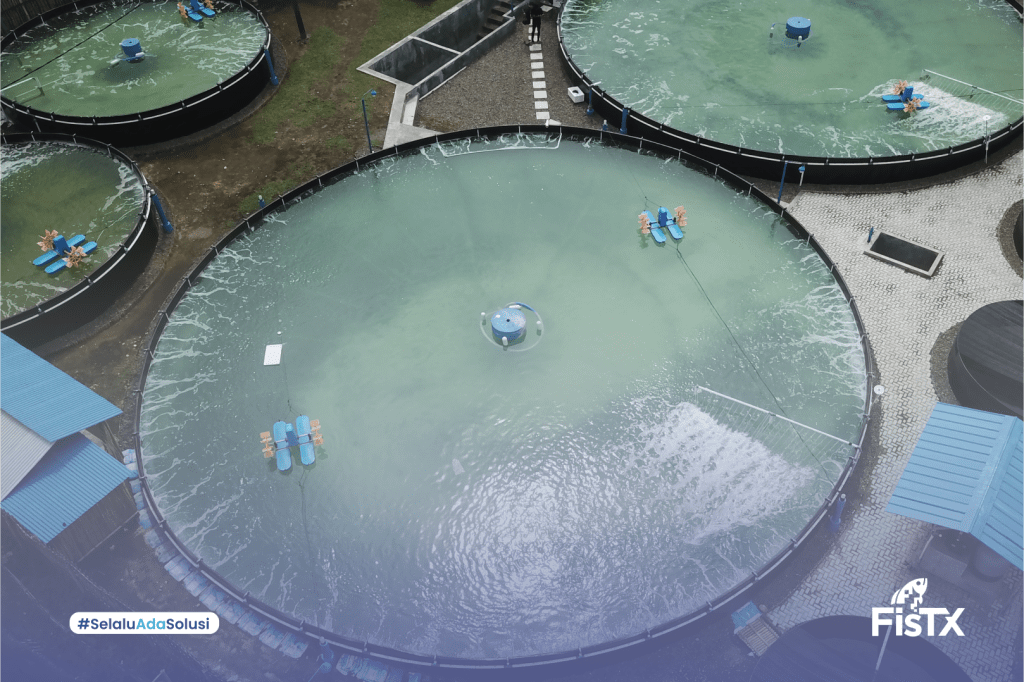
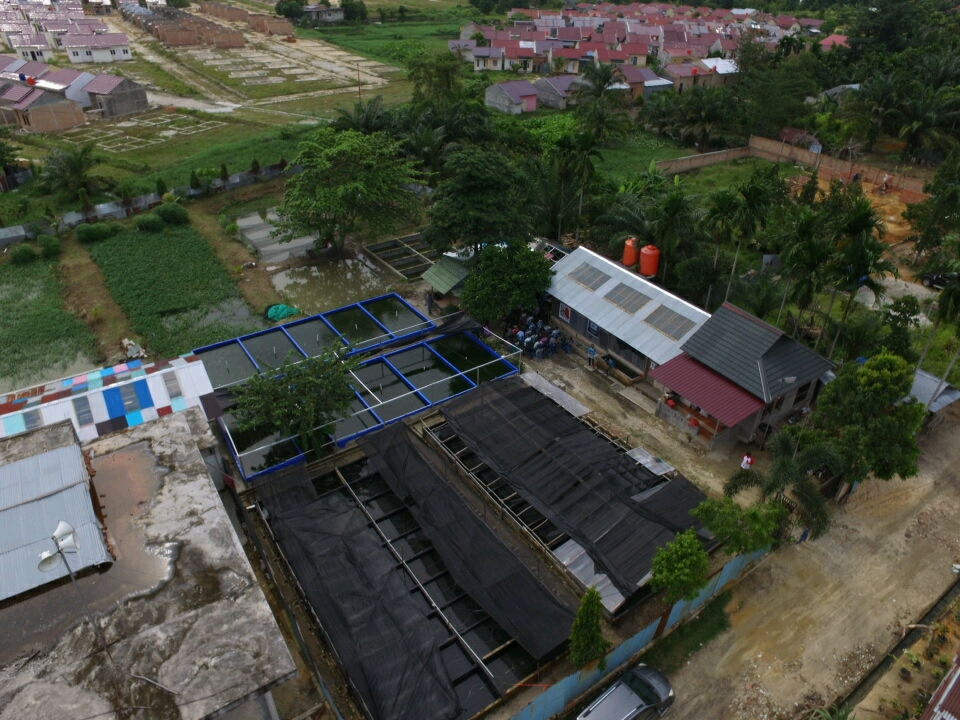
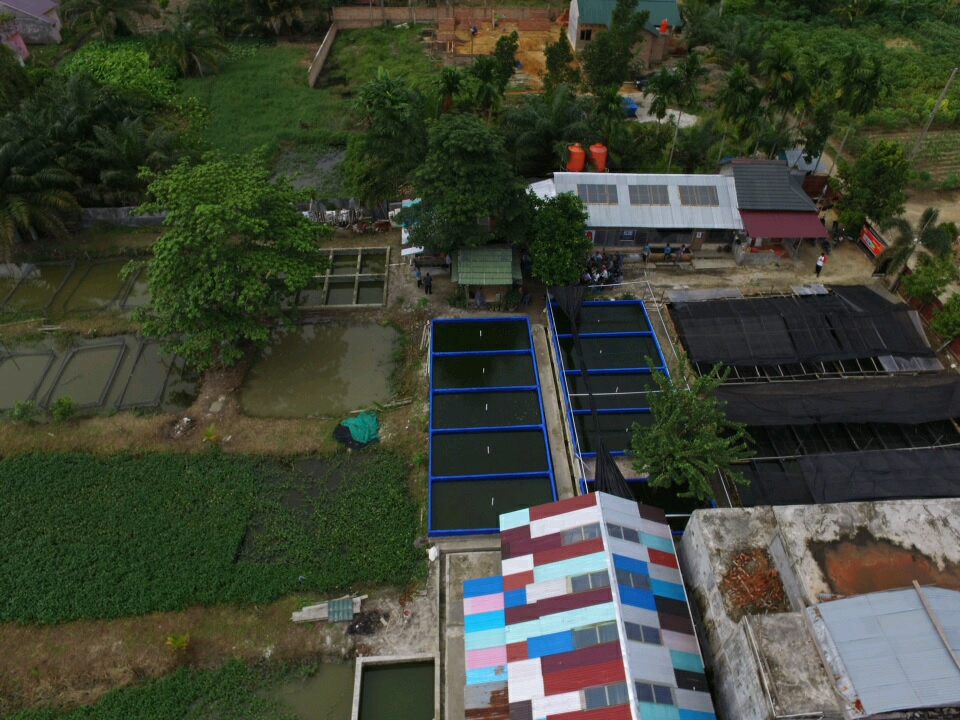
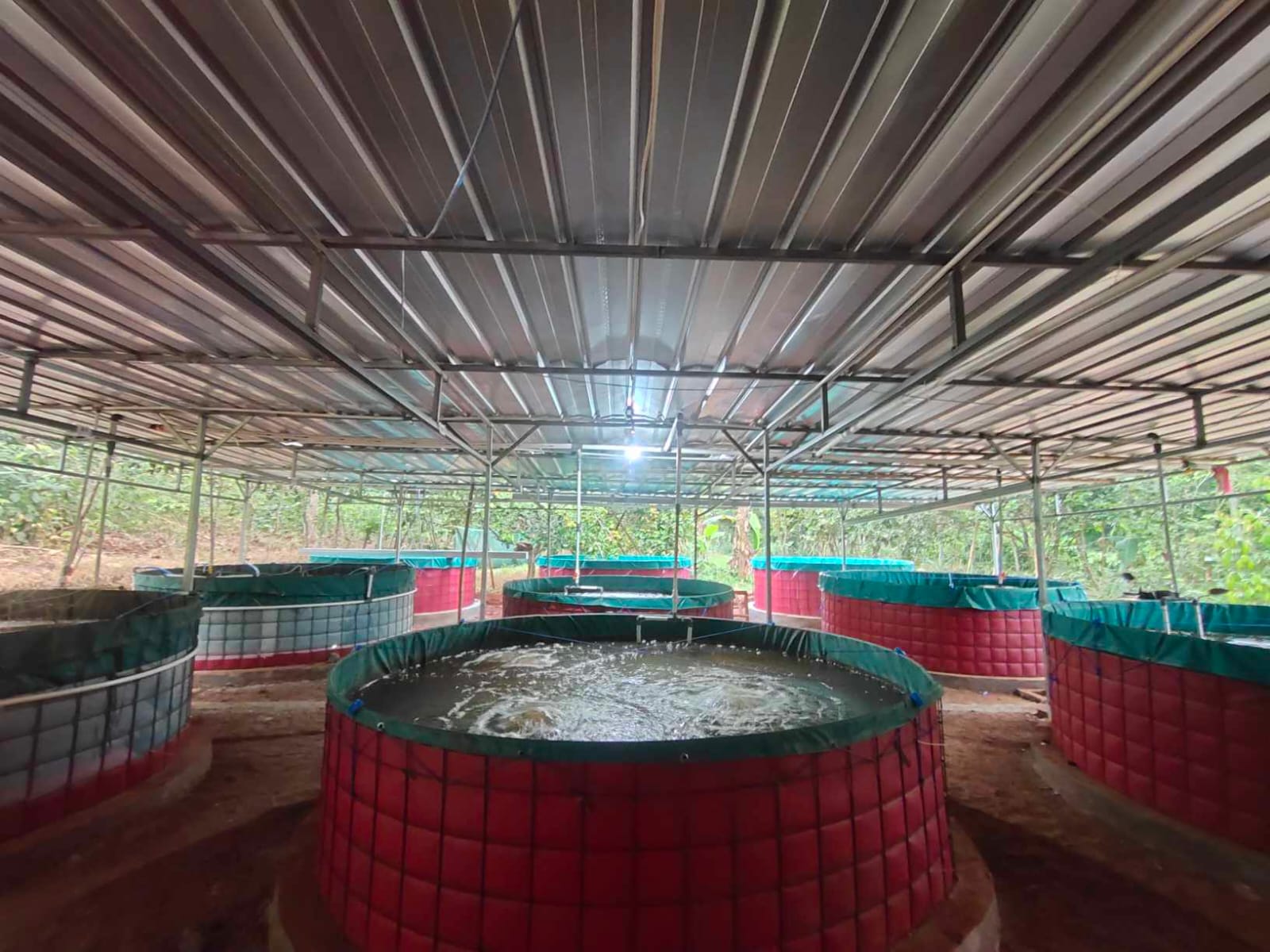
Natural spawning is a process of spawning naturally without human intervention. Natural spawning can usually be done on Pangasius, gourami fish, eels, and lobsters. Every fish has a different natural spawning system. For example, fish that are used to making nests for spawning. Therefore, cultivators must provide a nest, so that the fish can spawn naturally. Natural spawning of Pangasius is quite easy, cultivators only need to choose a good or superior pangasius broodstock to be placed in a ground pond to adjust to their environment in nature, Pangasius spawning in these natural waters is also classified as environmentally friendly. Fish that are stocked can grow by utilizing the fertility of the waters and there is no need for additional food.
The cultivators only need to provide good broodfish which can trigger gonad development in Pangasius broodstock, but the weakness of the natural spawning system requires a long time. This is because the broodstock must adapt to their environment in order to be able to do good spawning, the number of fertilized or hatched eggs is also less. and the success of this system also depends on natural conditions.
2. Semi-artificial spawning
Semi-artificial or semi-natural spawning is a naturally spawning process with human intervention to achieve good results. The cultivator will inject hormones into the fish. Hormonal ingredients commonly used are ovaprim which contains salmon gonadotropin-releasing hormone analog (sGnRHa) and dopamine antagonist (domperidone), human chorionic gonadotropin (hCG), an aromatase inhibitor (AI), oxytocin, prostaglandin F2alpha (PGF2α). Hormone injection is to speed up the ripening of the fish gonads.
The Pangasius that has been injected will be put in 1 pond or the same container and left to spawn naturally. The consumption of Pangasius farmers usually used this method. but this semi-artificial spawning cannot be used on other fish that are used to making nests such as gourami fish. Meanwhile, the Pangasius no needs to build a nest to spawn. Apart from Pangasius, this semi-artificial spawning system is also often used to breed Pangasius and pomfret fish.This system is quite advantageous because the maturation process of the fish gonads can be accelerated with the help of hormones, but the weakness is that the fish eggs and sperm that come out are not optimal and require higher costs than the natural spawning system.
3. Artificial spawning
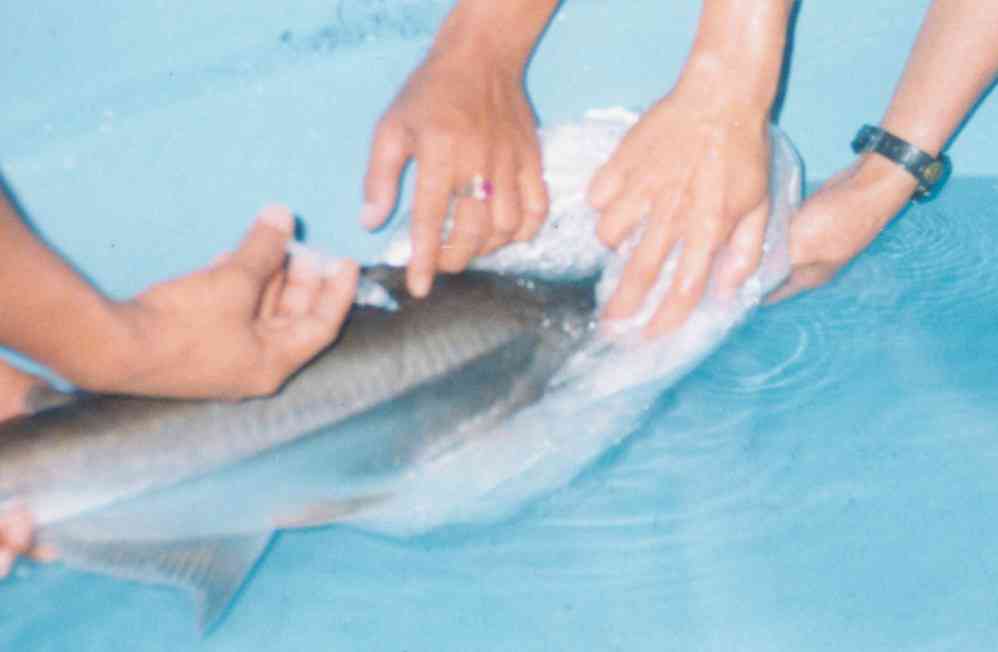
Artificial spawning is a spawning process that is assisted by humans by injecting hormones, the hormone ingredients commonly used are still the same ovaprim which contains salmon gonadotropin-releasing hormone analog (sGnRHa) and dopamine antagonist (domperidone), human chorionic gonadotropin (hCG), aromatase inhibitors (AI), oxytocin, prostaglandin F2alpha (PGF2α). Similar to the semi-artificial spawning system, the injection of a hormone substance is used to accelerate the maturation of fish gonads. The dose of hormone solution used is different according to the type of hormone and the size of the fish broodstock. Different from semi-artificial spawning apart from injecting hormones, cultivators also have to give massaging treatment to the stomachs of female and male fish, this massaging is a process to that the eggs and sperm released from the gonads come out optimally so that The number of larvae produced is also increasing. Before massaging the Pangasius belly, some of the more skilled cultivators usually stun the Pangasius broods first, so that when massaging process the fish will not fight back.
Sperm and eggs that come out are collected in a container with NaCl solution which functions is as an isotonic medium. The eggs and sperm are then mixed using a smooth thing like a feather, after being homogeneous then they are spread into the aquarium and left for 2-3 days until the eggs hatch. The advantages of artificial spawning are the maximum number of larvae produced and the time required is pretty short even though the costs incurred as well as quite a lot so that farmers must have mastered this spawning technique well. This spawning is quite complicated for beginners because the work requires accuracy, additional labor, and time. Even though it looks easy, the risk of failure to avoid using this system and if the process failing the losses are quite large.