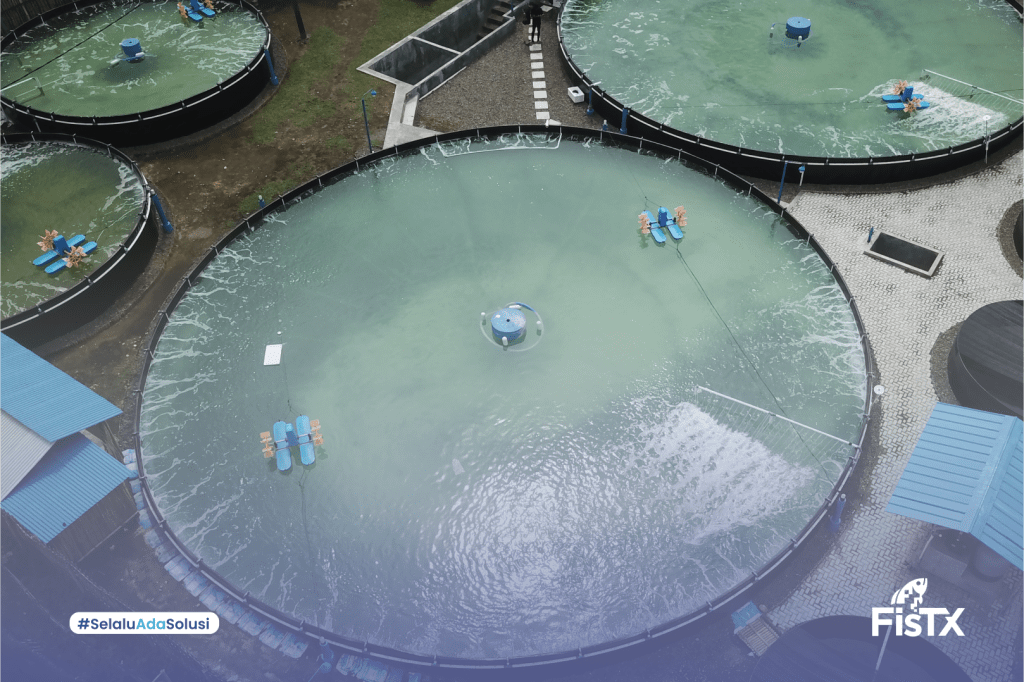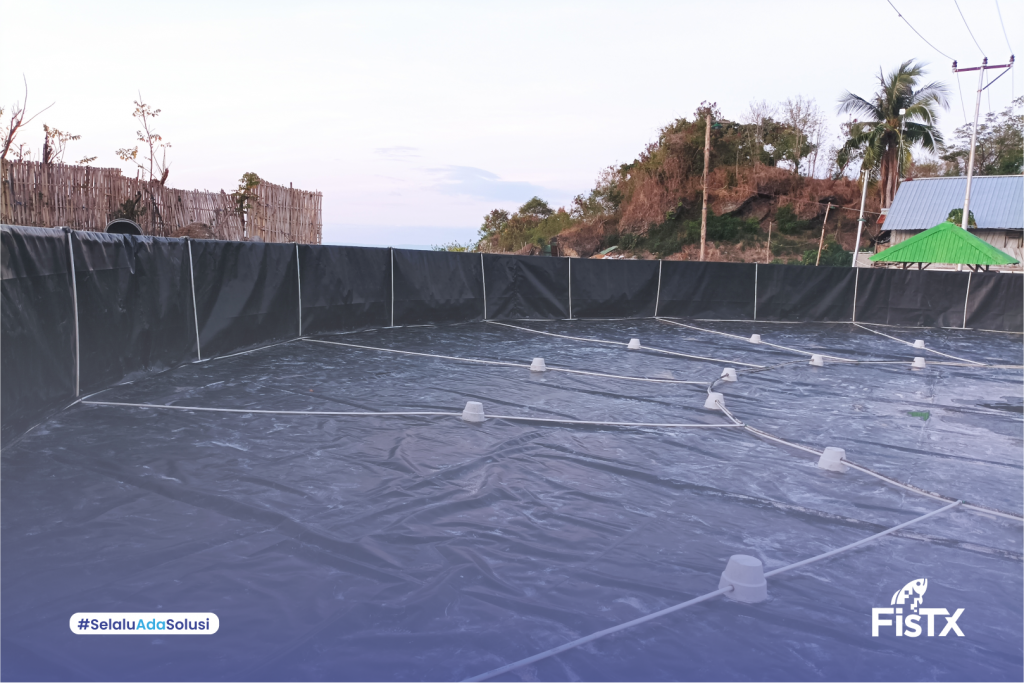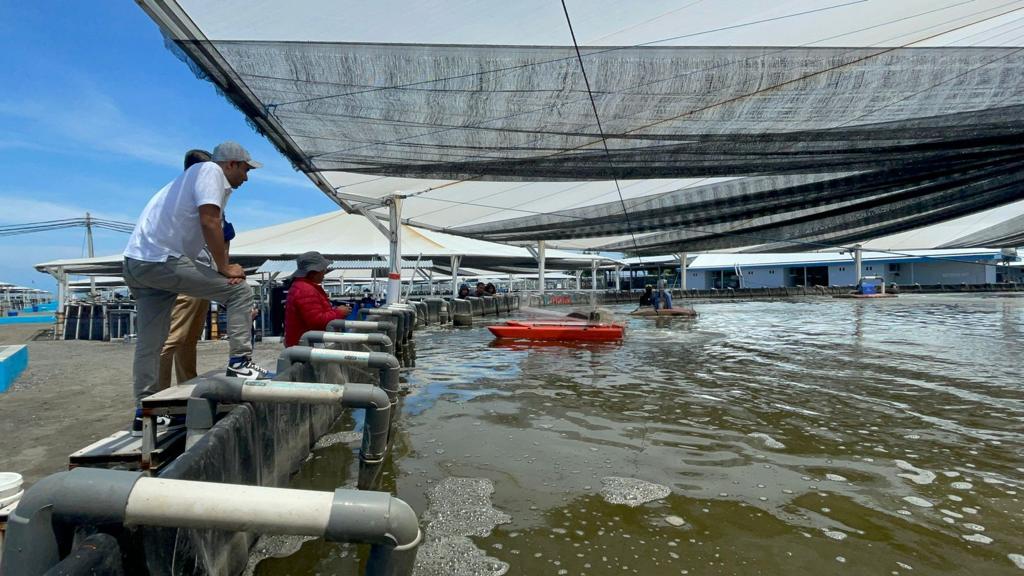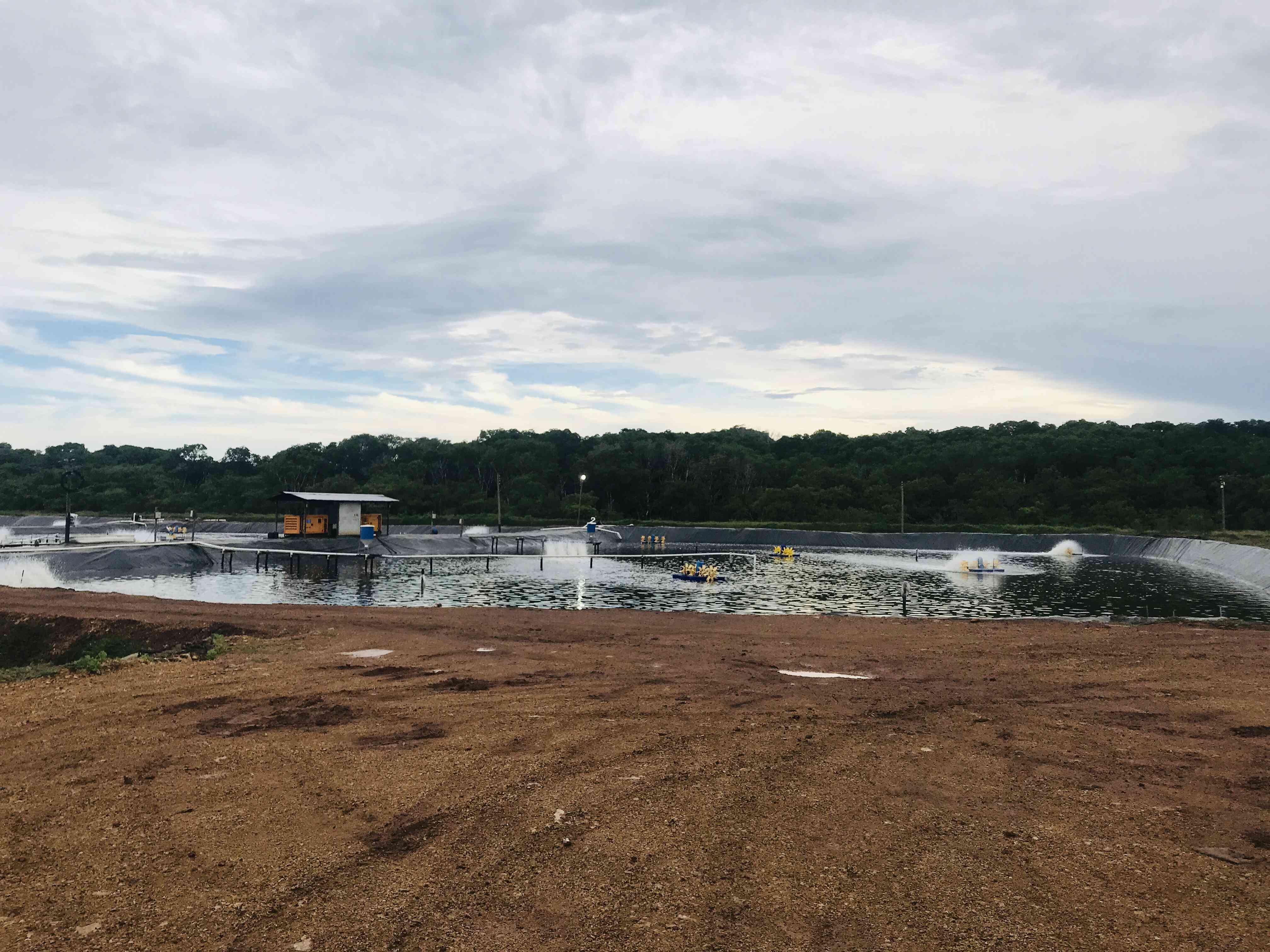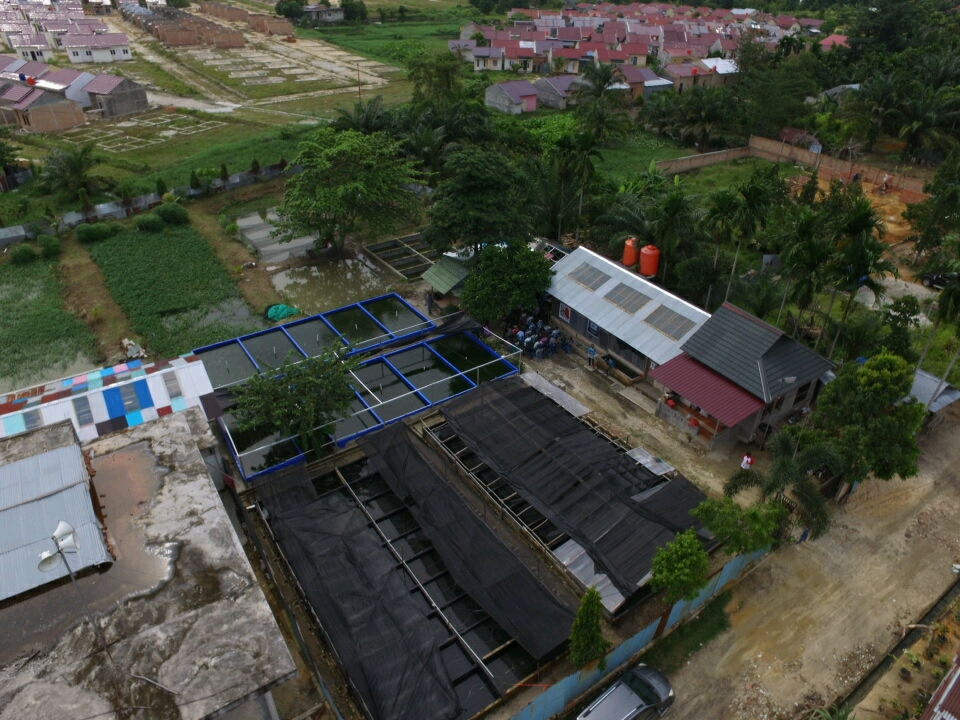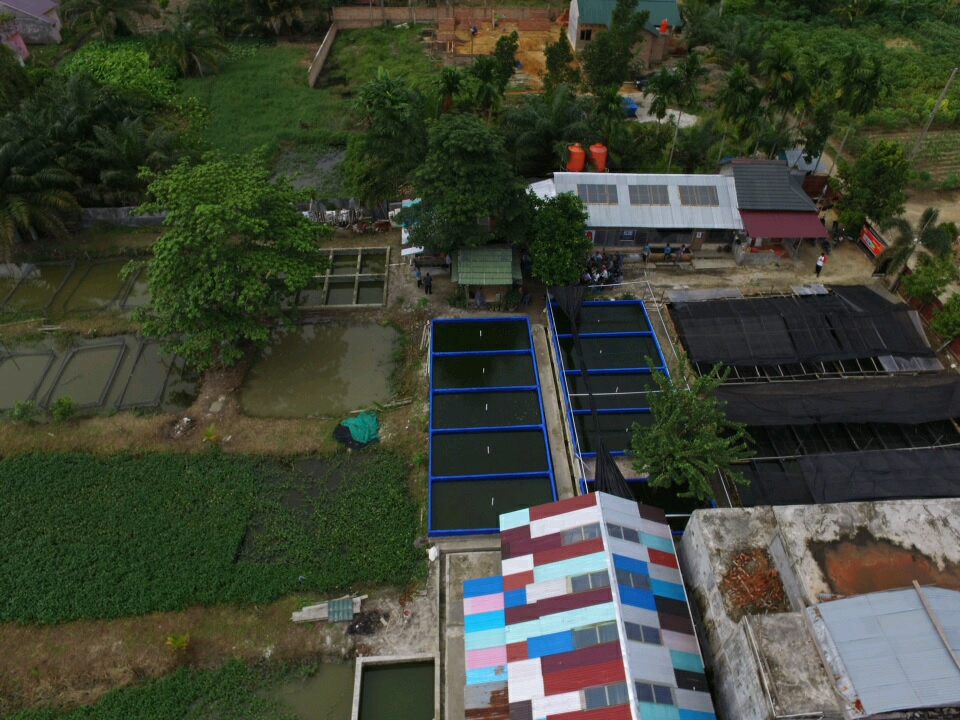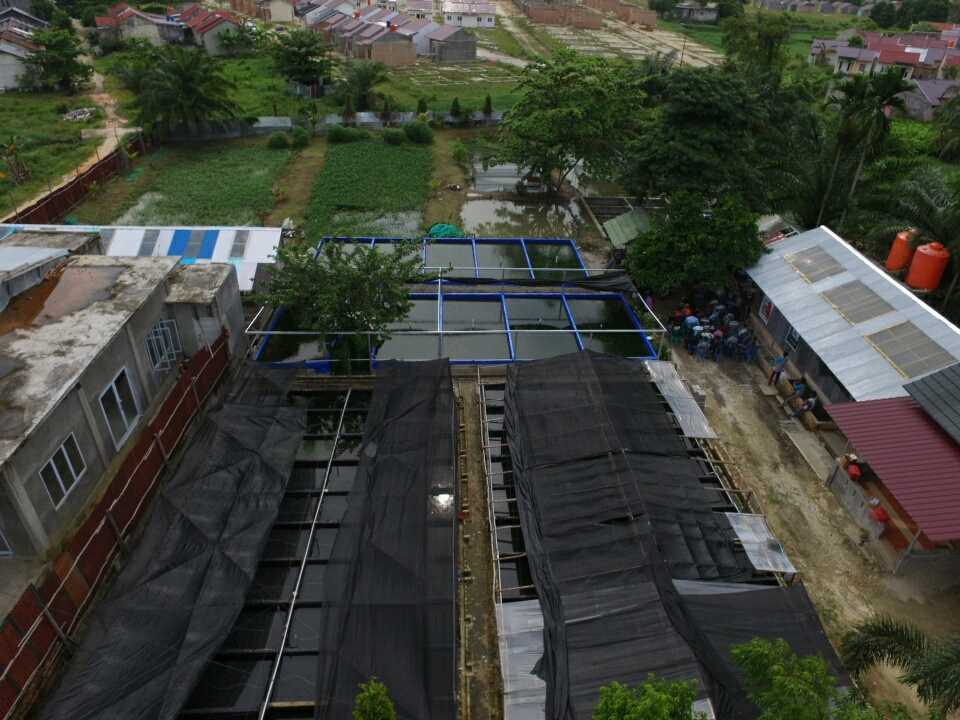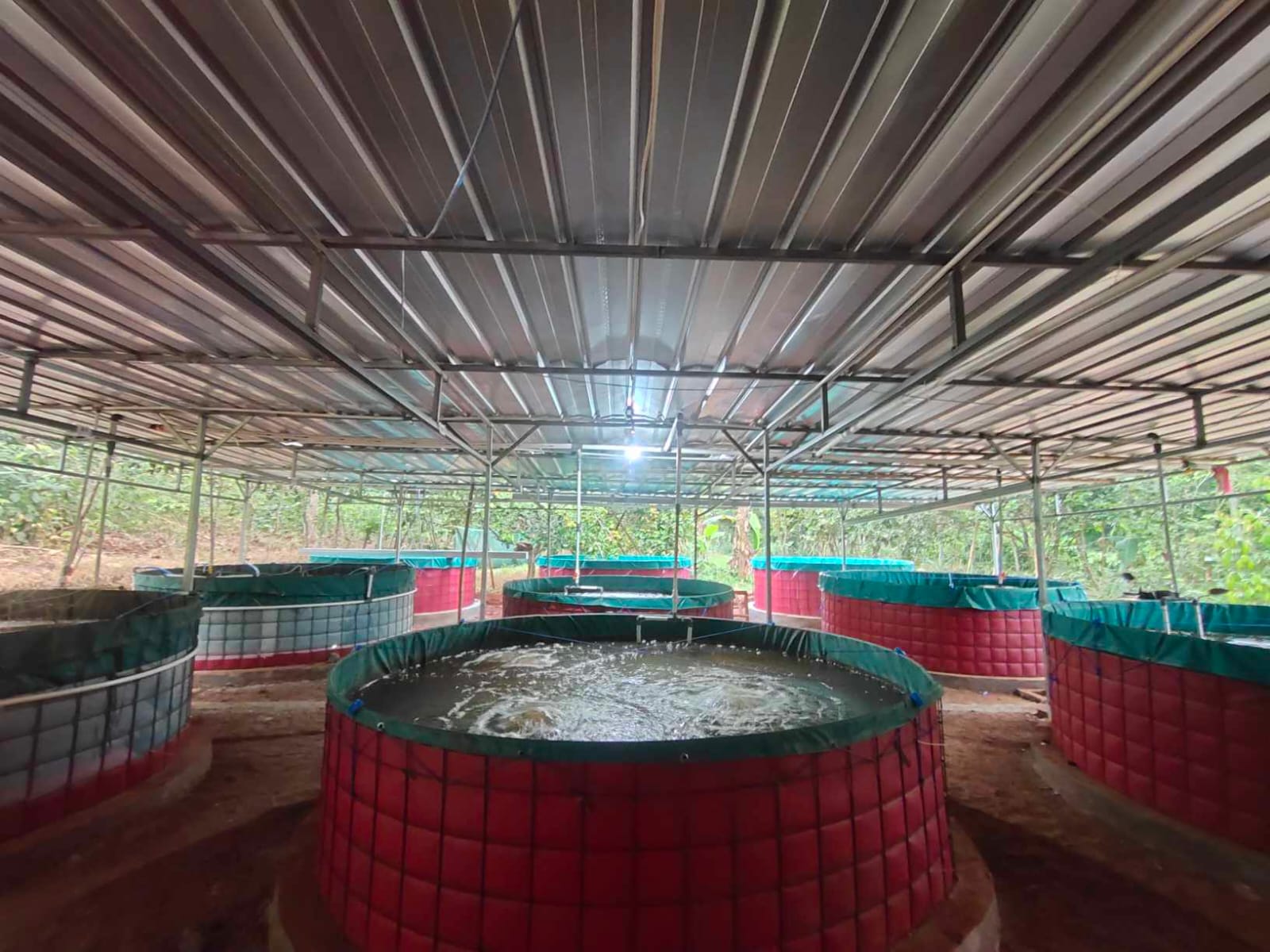
Pangasius fish is a native species to Indonesian waters that have been successfully domesticated as a superior and economical fish with the potential for cultivation development. When cultivating Pangasius fish, the choice of technology or cultivation system must be determined, as the species belongs to the catfish group and has high resistance to aquatic environments, such as minimal oxygen conditions (Jangkaru, 1995). The technology or cultivation system must be chosen to ensure the Pangasius fish-rearing process runs effectively and efficiently. Selecting an appropriate cultivation technology will improve fish production quantity and quality. Various Pangasius fish farming technologies or systems can be applied, including biofloc systems, recirculation, aquaponics, yumina-bumina, and others. The demand for Pangasius fish production per year is continuously increasing; in 2017, Pangasius fish production was recorded at 437,111 tons, an increase of 28.91% from the previous year, which was only 339,069 tons nationally.
One of the Pangasius fish farming technologies is protein-sparing technology. This technology replaces the primary energy source for feed with carbohydrates instead of protein. This idea arose due to the appeal to reduce the use of fish meals as the primary raw material for feed factories. Fat is a substitute for the primary energy source of protein in feed. Fat is one of the leading food substances needed for the growth and development of fish. Fat has a high energy value and contains soluble vitamins such as A, D, E, and K, as well as essential fatty acids that cannot be synthesized in the body of fish (Komariyah & Setiawan, 2009). Fish use the nutritional content in the fat for daily activities, such as swimming, body resistance, growth, foraging, and avoiding enemies (Munisa, et al., 2015).
The use of fat in fish feed is essential, as it is a source of energy that has a high enough value compared to protein and carbohydrates. The use of fat as an energy source is only as a "sparing protein", meaning it functions to replace protein as an energy source, thus conserving the use of protein. To maximize growth, fat in artificial feed is needed in a certain amount, but using fat in more significant amounts will reduce growth and cause the accumulation of fatty acids in the body.
Preferences
Jangkaru, Z., 1995. Pembesaran Ikan Air Tawar di berbagai Lingkungan Pemeliharaan. Jakarta: PT.Penebar Swadaya.
Komariyah & Setiawan, A. I., 2009. Pengaruh Penambahan Berbagai Dosis Minyak Ikan yang Berbeda pada Pakan Buatan Terhadap Pertumbuhan Benih Ikan Patin (Pangasius pangasius). PENA Akuatika, I(1), pp. 19-29.
Munisa, Q., Subandiyono & Pinandoyo, 2015. Pengaruh Kandungan Lemak dan Energi yang Berbeda dalam Pakan Terhadap Pemanfaatan Pakan dan Pertumbuhan Patin (Pangasius pangasius). Journal of Aquaculture Management and Technology , IV(3), pp. 12-21.