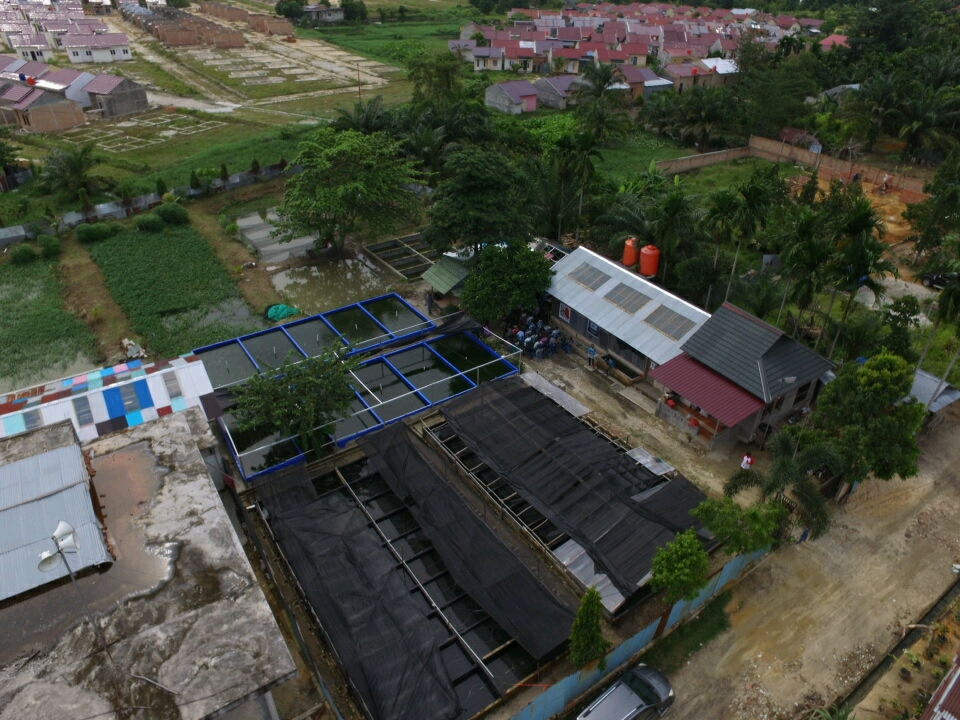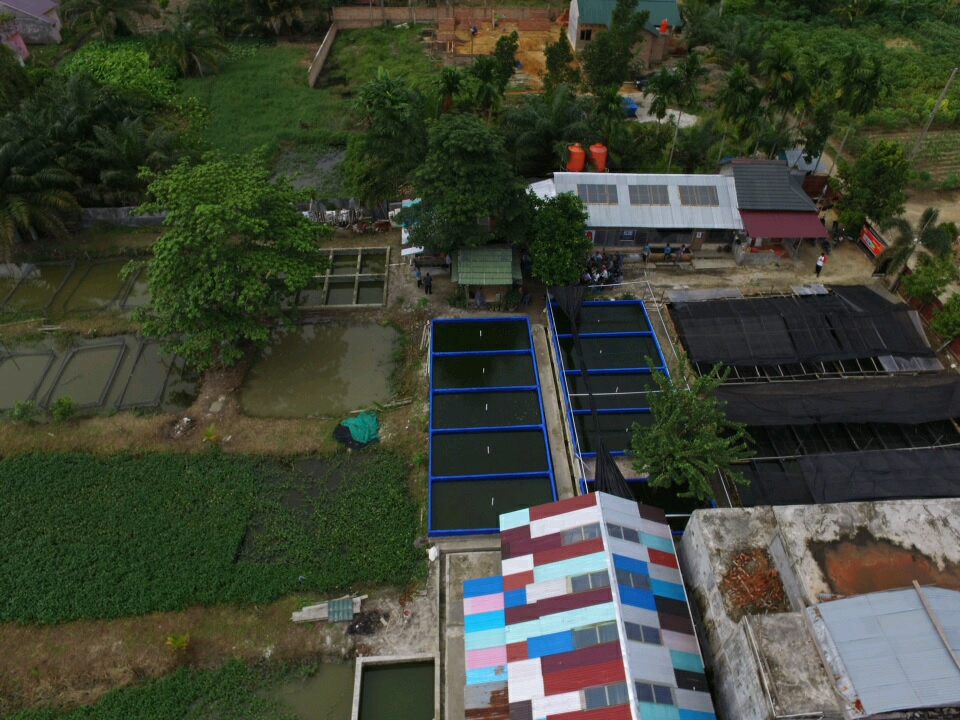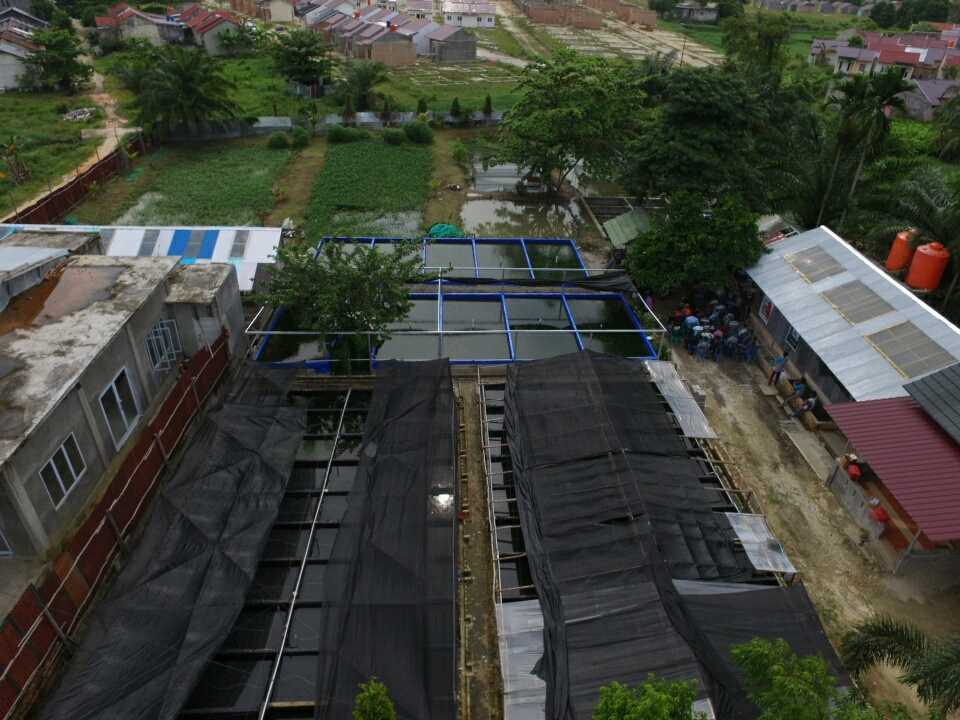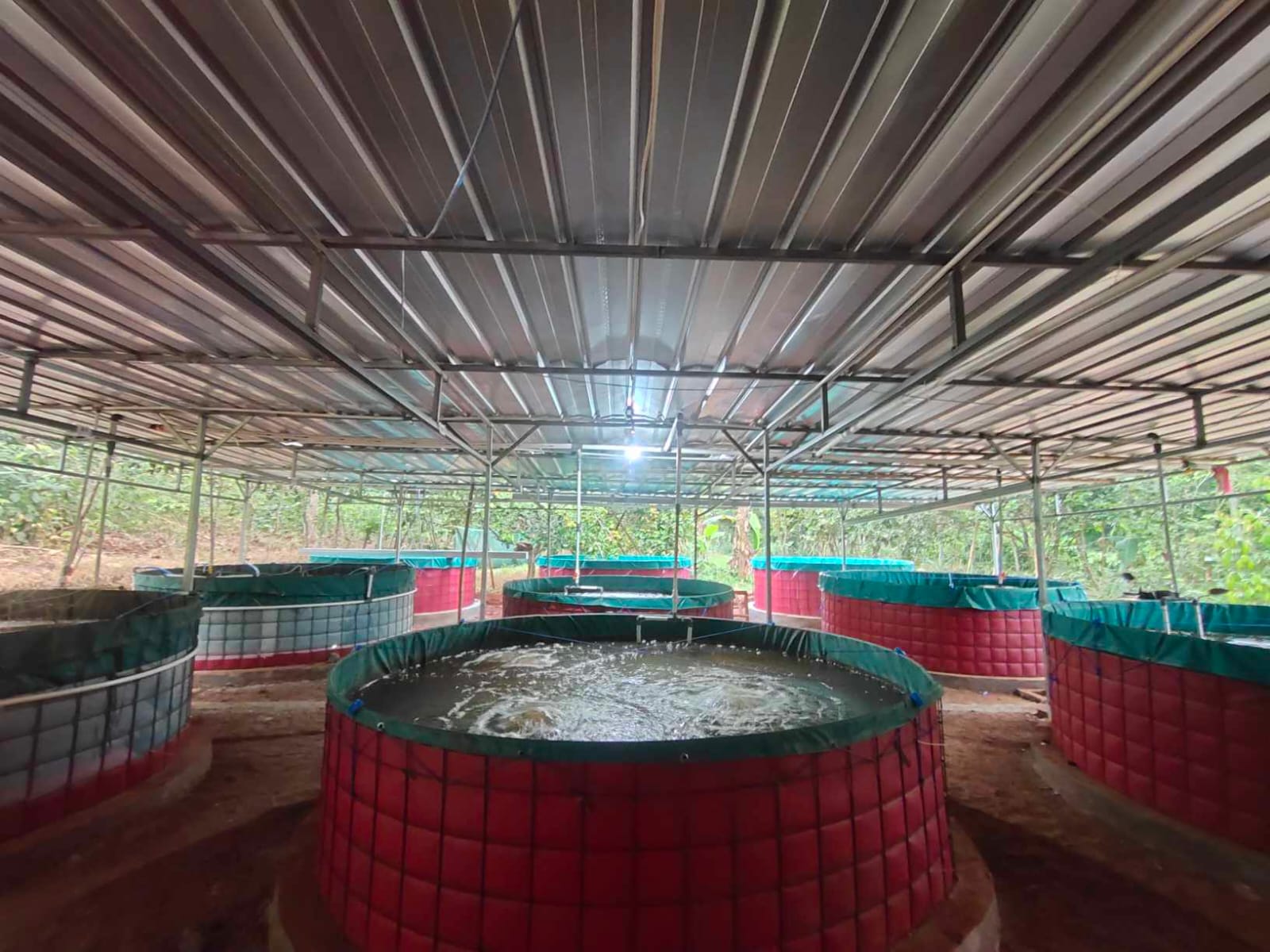
The disease is the most dangerous thing for vannamei shrimp farmers, causing enormous losses, especially if there is a mass death of shrimp in the pond. Shrimp infected with the disease also decrease the selling price in the market, as it usually reduces the quality of the shrimp. In addition, sick shrimp lose their appetite, resulting in wasted feed in the pond. Detection of the disease is complicated, usually requiring laboratory tests of samples from sediment or shrimp. Shrimp that have shown signs of illness can be said to have been infected seriously enough that it is too late for detection and treatment.
1. Water quality control
Water quality is essential, as it is the main component in ponds. Daily control of pH, salinity, dissolved oxygen (DO), and temperature is the minimum standard to determine the current state of water quality. Care should be taken to avoid sudden changes, which can cause shrimp stress. If this happens, steps must be taken immediately to restore it to a normal state. It is also vital to maintain its stability. Additionally, the concentration of organic matter (ammonia, nitrite, nitrate, minerals, carbonate) should be controlled weekly, and the total vibrio and plankton should be calculated.
2. Biosecurity
Biosecurity has become an integral part of shrimp pond management, including preventing the entry of pathogens from outside and providing treatment if disease occurs. Biosecurity encompasses all stages of fish pond management, from land preparation, water preparation, stocking of seeds, maintenance, waste handling, and harvesting.
3. Quality feed
The feed given to shrimp must be of good quality, have a high nutritional value, and be free from disease contamination. The feed can also be enriched with immunostimulant substances.
4. Quality seeds
Seeds originating from hatcheries with guaranteed quality, as evidenced by the seeds falling into the specific pathogen-free (SPF) or specific pathogen-resistant (SPR) category (i.e., knowing SPF and SPR fries).
5. Regular monitoring
Conducting health inspections and sampling (early security warnings) can help anticipate shrimp infection from disease. Symptoms of disease that have appeared in shrimp are usually already in a reasonably severe stage. Early health monitoring is one of the best steps to prevent shrimp infection from disease. This monitoring can be done routinely from the early days after the seeds are stocked into the rearing pond. Health checks can be conducted by taking samples of sediment, water, and shrimp for laboratory tests.
6. Supplementation
Additional supplements can be given simultaneously with feed in measured doses (depending on the type of supplement), especially those containing carotenoids, beta carotene, vitamin C, and astaxanthin, as they have been shown to increase immunity. The type of supplement and dosage should follow the manufacturer's instructions. It is also possible to make additional innovations in daily feed, such as algae extract (e.g., Dunaliella salina, Tetraselmis Chui, Chlorella sp.) or land plants (e.g., garlic extract or Gynora bicolor plant leaves) to increase shrimp immunity.
7. Administration of probiotics
Probiotics can help circulate nutrients in the ecosystem, thus preventing organic waste from accumulating, particularly in pond sediments. Furthermore, they can help maintain the stability of the microbial population in the deposit and the digestive organs of shrimp. When providing probiotics, it is essential to adhere to the recommended dose and monitor the pond's water quality.