
On September 24, 2024, PT Banglele Indonesia Maju officially visited Acipenser Mantasoa, a leading sturgeon fish farming company based in Madagascar. This visit marks a significant step in strengthening bilateral relations between Indonesia and Madagascar, particularly in the aquaculture sector, which has immense growth potential. The visit is part of the "Fishtrip" program, a strategic initiative to foster inter-country cooperation in fisheries. Over one month, Banglele Indonesia will explore and map aquaculture potential in the Indian Ocean region, including Madagascar and Mauritius.
The program is fully supported by the Indonesian Embassy in Antananarivo and the Chargé d'Affaires, Mr. Lanang Seputro. Accompanied by the Embassy and the Honorary Consulate of Indonesia in Tamatave, Banglele Indonesia is not only focused on business exploration but also carries a diplomatic mission to strengthen Indonesia-Madagascar relations through aquaculture. This visit provides an opportunity for both countries to exchange knowledge and expertise on developing more sustainable and eco-friendly fisheries technology.
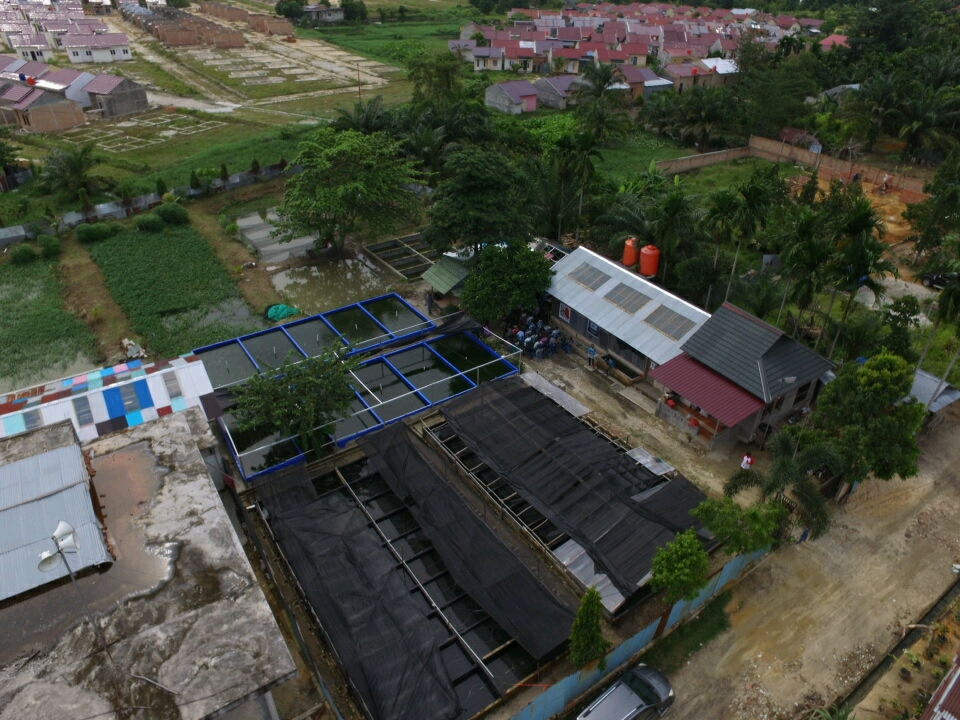
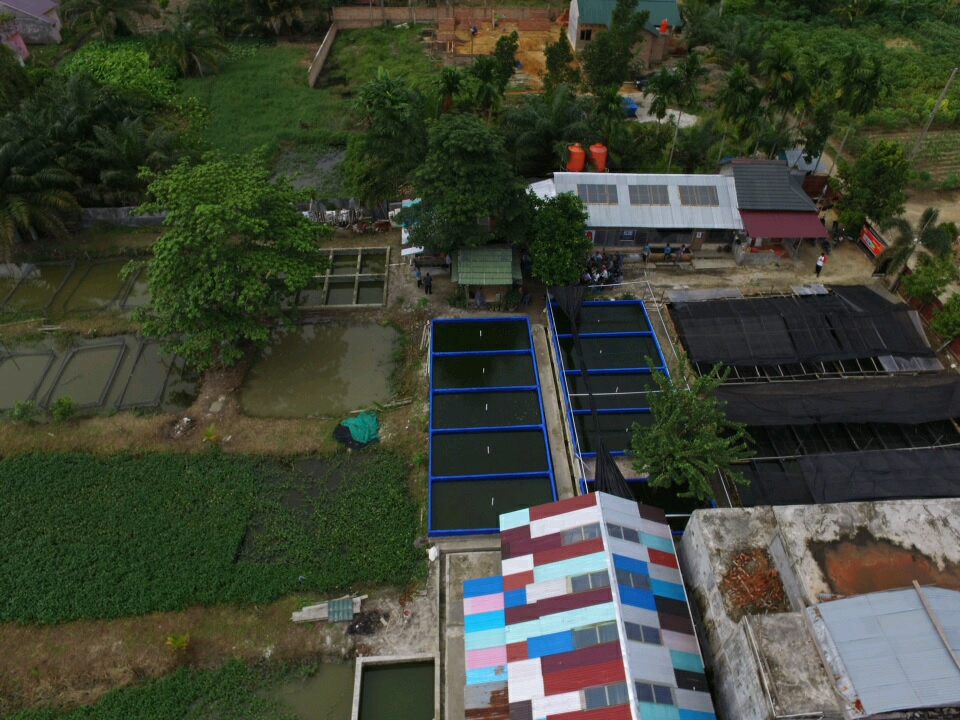
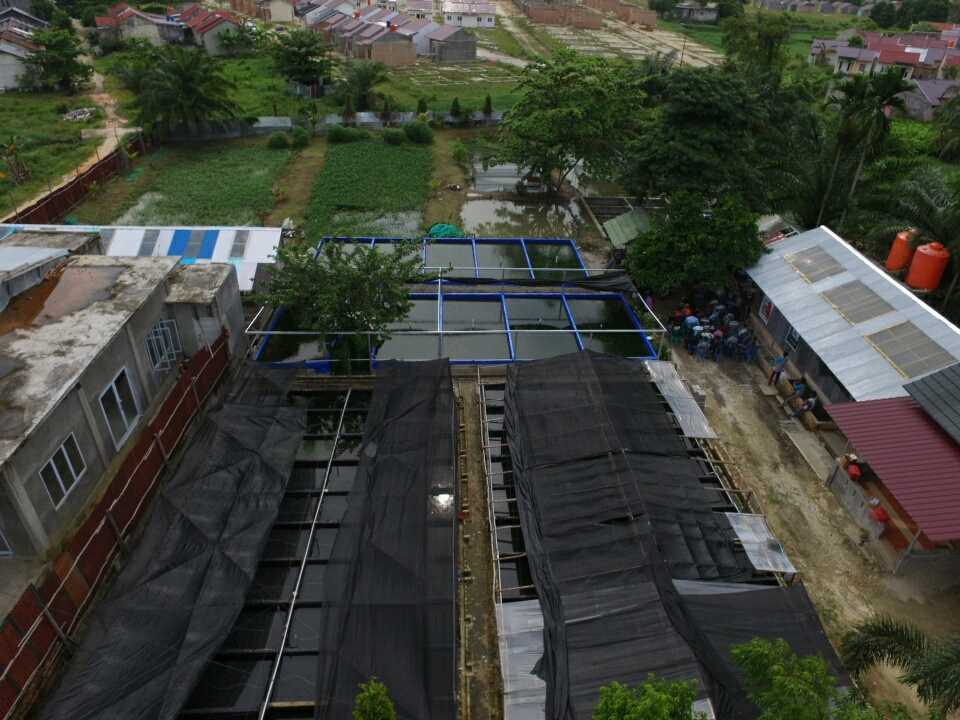
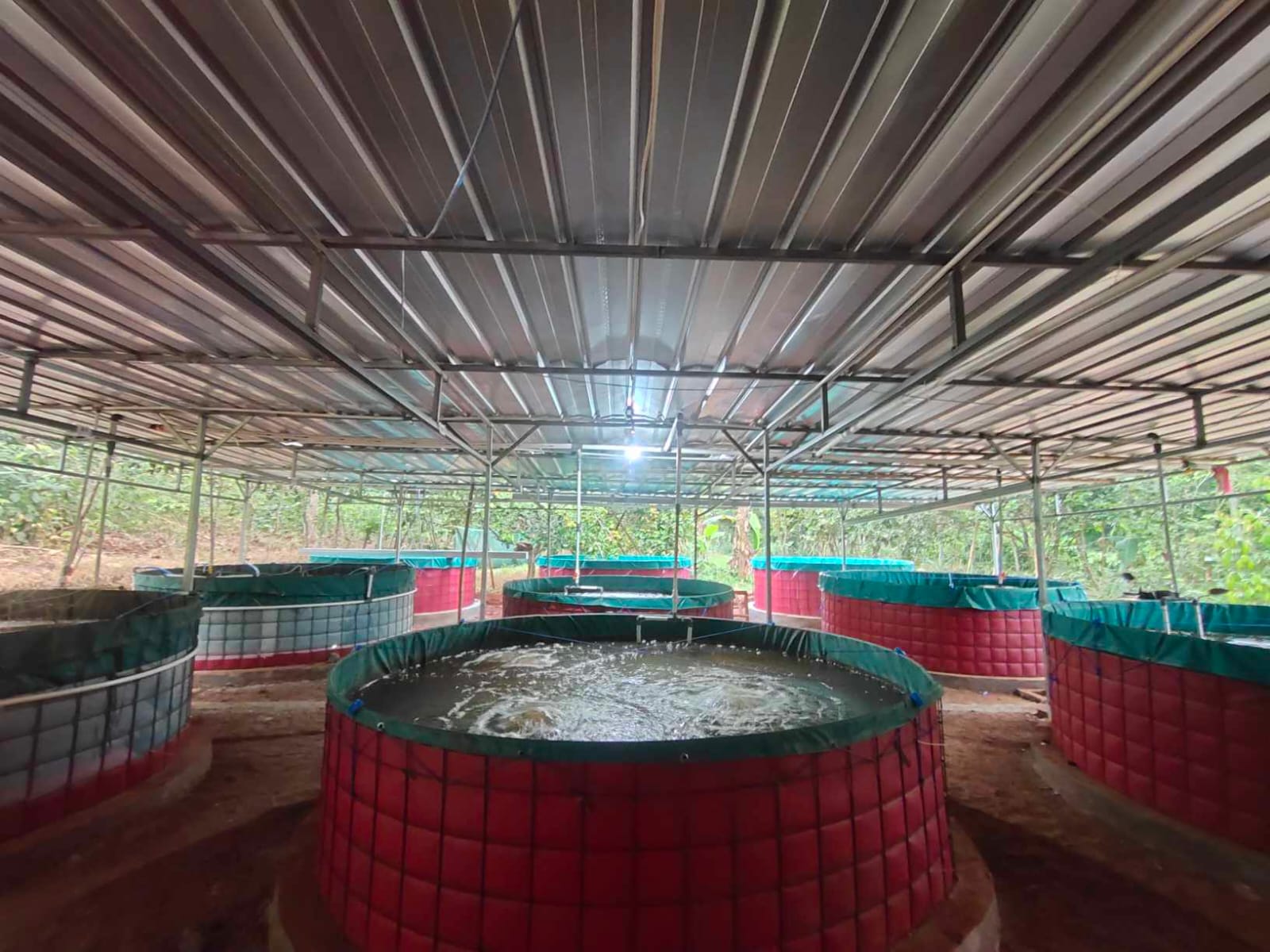
One of the key innovations introduced by Banglele Indonesia is the biofloc system, a freshwater fish farming technology that has proven effective in boosting productivity in various regions of Indonesia. The biofloc system enables more efficient resource use by utilizing microorganisms to convert waste into natural fish feed.
This visit opens the door to deeper collaboration between Indonesia and Madagascar in aquaculture. With its vast inland fisheries potential, Madagascar is a strategic partner for Indonesia in advancing fish farming technologies that could be applied globally. The program also underscores Indonesia’s commitment to strengthening its international role in aquaculture while supporting global food security through the development of more efficient and sustainable fish farming technologies.
Getting to know Acipenser Mantasoa Madagascar: a world-class caviar producer
Caviar, the eggs of sturgeon fish, is highly valued for its rarity and the long production process. It is also prized for its rich nutritional content, particularly omega-3 fatty acids, and other health benefits. This luxurious commodity is in high demand among the upper class in many countries.

Caviar produced by Acipenser Madagascar
Sturgeon, an ancient species of fish, has unique characteristics and requires specialized technology for farming. Only a few countries have successfully bred sturgeon, especially in tropical regions. Currently, only two tropical countries—Madagascar and Uruguay—have succeeded in sturgeon farming. In subtropical countries, sturgeon farming can be found in northern China, Russia, France, and Hungary. The limited number of sturgeon farmers is due to the long production process for caviar, which can take more than a decade before the sturgeon is ready to yield its eggs.
In addition to the long wait, sturgeon farming requires a substantial financial investment, which continues to grow as global demand for caviar increases. Despite the high costs, the returns are equally impressive. Caviar can be sold on the international market for up to €2,600 per kilogram, making it one of the most expensive food products in the world. Major markets for caviar include the European Union, the United States, and Japan, where demand for this luxury product continues to rise annually.
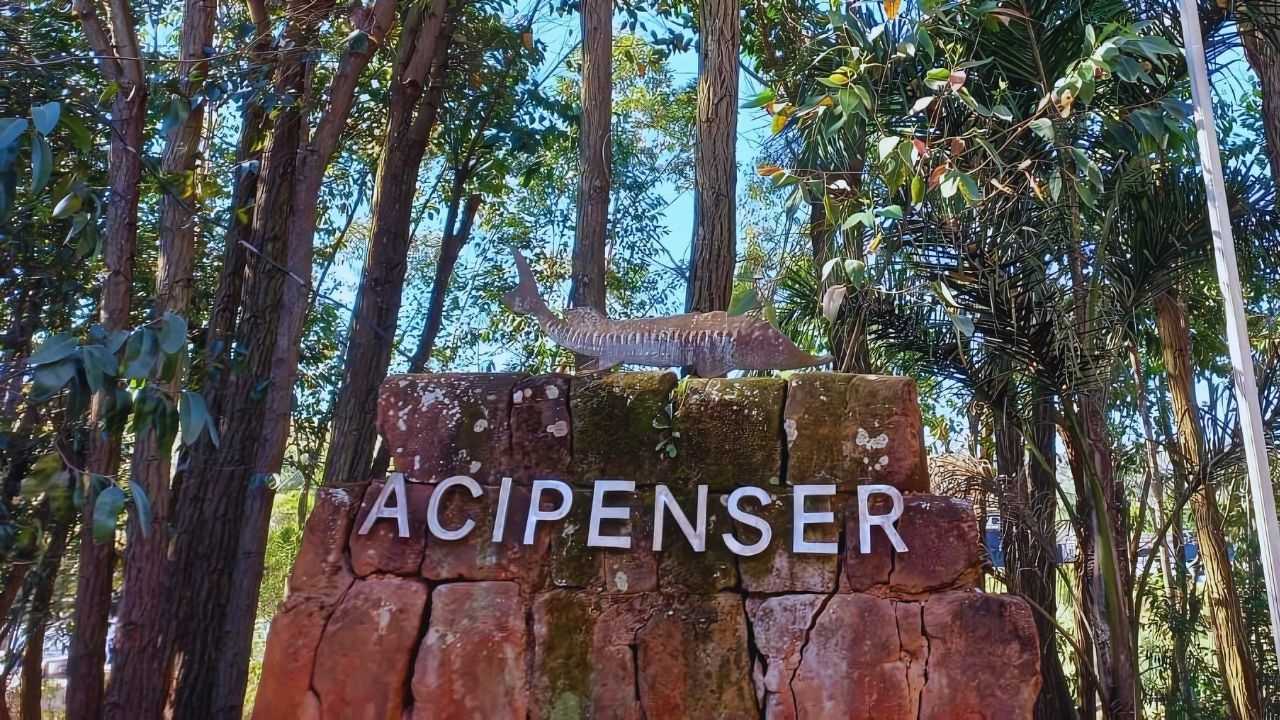
Acipenser Madagascar, based in Mantasoa, is recognized as one of the top caviar producers in the world, operating over 28 hectares of land and lake-based sturgeon farms. The company produces high-quality caviar from various sturgeon species, such as Baeri (Siberian), Gueldenstaedtii (Russian), and rare species like Beluga. The caviar produced by Acipenser is regarded as some of the best globally and is exported to major countries like Japan, the United States, and Europe.

The atmosphere of Acipenser Madagascar’s Sturgeon Farm located in Mantasoa
Four sturgeon species cultivated by Acipenser take seven years to produce caviar, with fish weighing between 15 and 100 kilograms. One species, Beluga, takes up to 12 years to mature, and these fish can grow to an astonishing size of up to 900 kilograms, with an average weight between 250 and 300 kilograms. This makes Beluga the largest freshwater fish in the world. From these sturgeon, around 10-15% of their body weight can be harvested as caviar.
Unlike other fish farming processes, sturgeon farming for caviar requires much more time and cost. Apart from needing years to reach productive age, most sturgeon species, aside from Beluga, can only produce caviar 2-3 times in their lifespan, with a recovery interval of two years between each caviar harvest. This lengthy process is one of the reasons caviar prices are so high globally.
Acipenser has an impressive production capacity, generating up to 10 tons of caviar annually, making Madagascar the third-largest caviar exporter in the world after China and Uruguay. To meet the growing demand, they have a dedicated marketing unit based in Madagascar’s capital, Antananarivo. Domestically, the local market in Madagascar consumes about 500 kilograms of caviar per year. Interestingly, in Madagascar, caviar is not only valued for its nutritional content but also holds strong social and cultural significance. Among the local community, consuming caviar is often seen as a symbol of prestige and social status. There is even a myth that one cannot become a leader without having tasted caviar, making this luxurious food a symbol of achievement and high standing.
Caviar production process at Acipenser
At Acipenser, caviar production is carried out using a stripping method, where eggs are harvested from female sturgeon without having to kill the fish. This method is similar to that used for catfish, where eggs are extracted through artificial spawning. What sets Acipenser apart from many other producers is its separate approach to conservation breeding and caviar production. In the conservation phase, sturgeon are bred naturally, resulting in a remarkably high survival rate of 85%.
The conservation process begins with natural mating, after which the sturgeon eggs are transferred to hatching cones for a five-day incubation period. Once the larvae hatch, they are moved to indoor nursery ponds. During the first month, the larvae are fed live artemia to support optimal growth until they reach a weight of 1 gram.
This initial nursery phase is crucial as it determines the survival rate of the young sturgeon. Artemia, rich in essential nutrients, serves as the primary food source during the first week. After a month, the young fish are transferred to larger indoor ponds for the next stage of development.
In the second indoor nursery phase, which lasts for 1 to 1.5 months, the sturgeon reach a weight of around 5-7 grams. At this point, Acipenser begins feeding them with locally produced artificial feed. Interestingly, 80% of the feed ingredients are sourced locally, with the remainder imported, demonstrating Acipenser’s commitment to utilizing local resources while reducing dependency on imports.
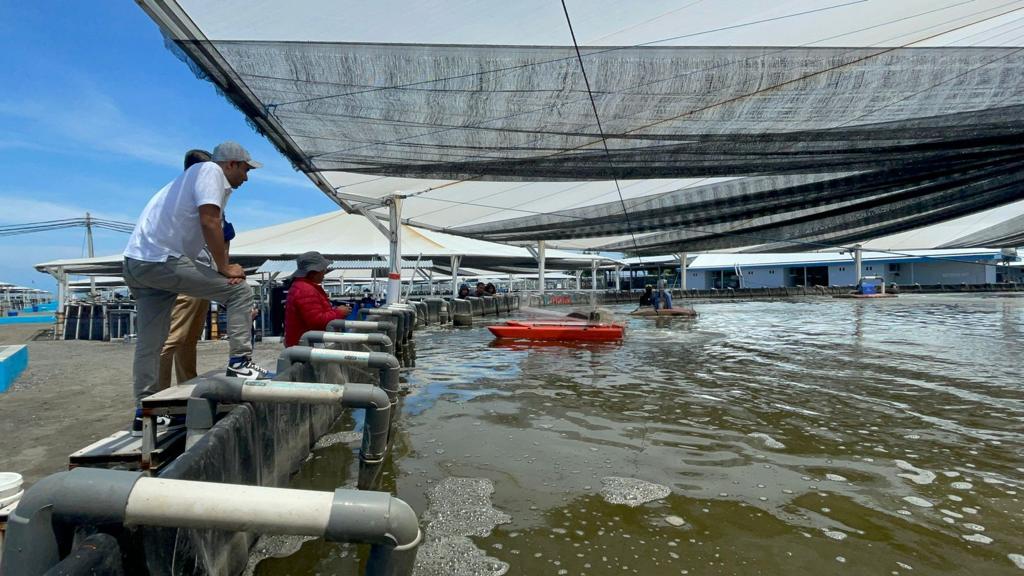
Once the sturgeon weigh 5-7 grams, they are moved to outdoor nursery ponds. This phase lasts for five months, during which the fish grow to about 350 grams. Water temperature plays a critical role in this stage, with the ideal range being 14-18°C, though the fish can tolerate temperatures up to 25°C. To maintain stable water conditions, especially during the dry season, Acipenser uses shading nets to help regulate the water temperature, creating an environment conducive to sturgeon growth.
Acipenser’s sturgeon farming facility is located in Mantasoa, Madagascar, chosen for its cool climate year-round, making it an ideal location for sturgeon farming. This environment supports the growth of the sturgeon until they are ready to be transferred to the cage culture system in Lake Mantasoa, as explained by Acipenser's French Operations Manager, Arthur Bismuth.
After reaching a weight of 350 grams, the young sturgeon are transferred to Lake Mantasoa and raised in floating cages at depths of up to 5 meters. This stage is the longest in the sturgeon farming process, lasting seven years. The lengthy cultivation period is one of the main reasons why caviar commands such high prices on the international market.

Sturgeon farming site using floating net cages in Lake Mantasoa
Sturgeon is the only freshwater fish with such an extended production cycle, taking many years before they are ready to be harvested for caviar. Along with the long maturation period, the high omega-3 content in caviar contributes to its premium value in global markets.
Caviar production at Acipenser typically occurs between February and June when the temperatures around Lake Mantasoa are cooler, ideal for the caviar harvesting process. While sturgeon farming in Madagascar has not yet faced serious disease issues, Acipenser enforces strict biosecurity measures to prevent the introduction of harmful pathogens.
Bilateral collaboration and aquaculture development potential in the Indian Ocean

Discussion between the Indonesian Embassy in Antananarivo, Banglele Indonesia, and Acipenser Madagascar
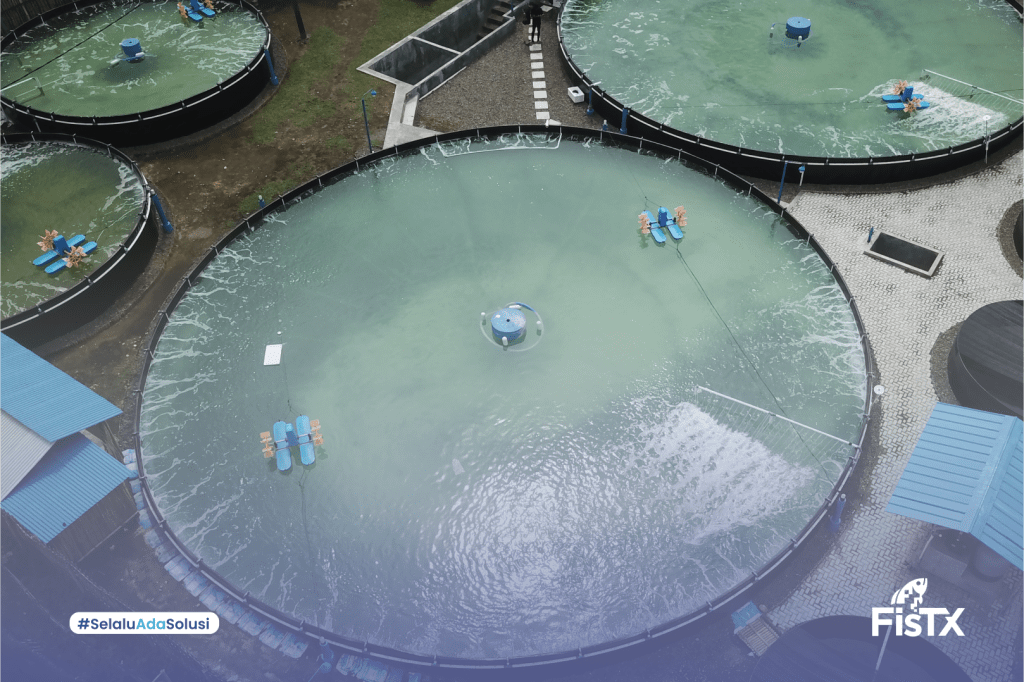
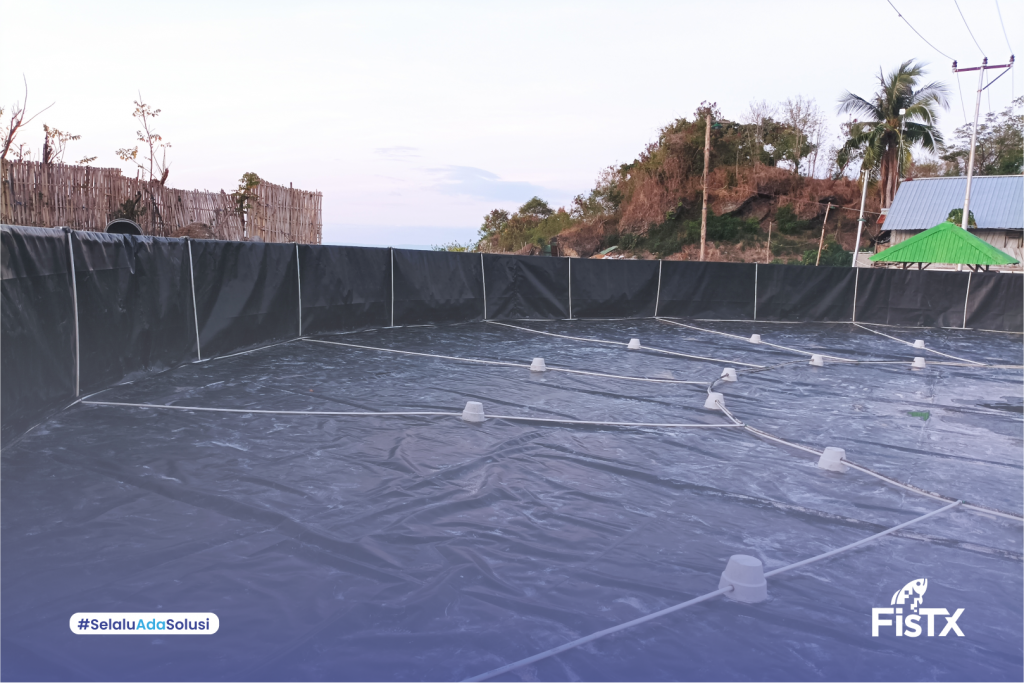
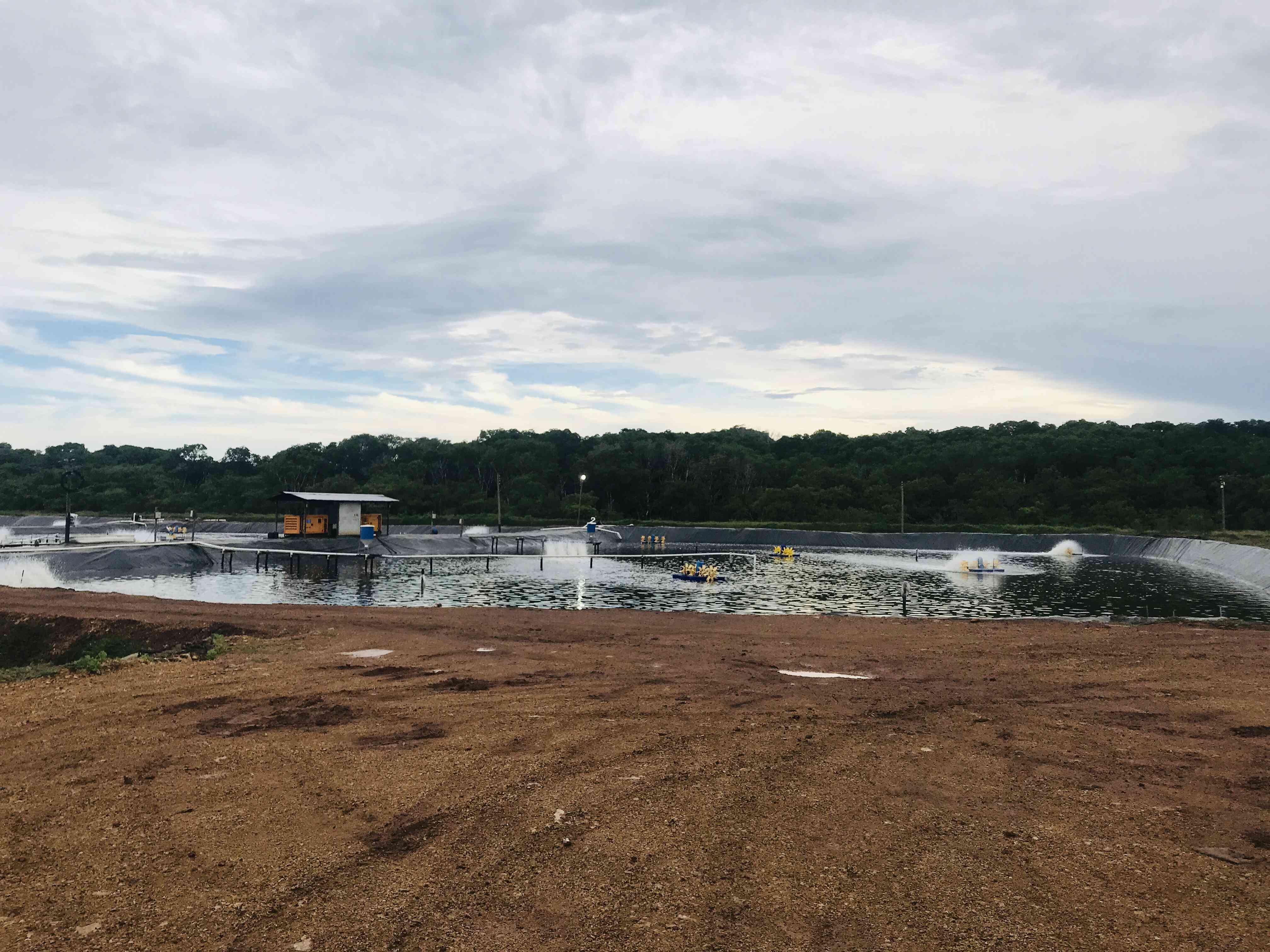
In an effort to strengthen bilateral relations in the aquaculture sector, Banglele Indonesia has expressed interest in forming a strategic partnership with local stakeholders, including the Indonesian Embassy in Antananarivo and Acipenser Mantasoa in Madagascar. This collaboration aims to implement efficient and sustainable freshwater fish farming techniques that have been widely adopted in Indonesia. A key aspect of this partnership is the exchange of knowledge and technology, such as the biofloc system and tarp ponds, which are designed to increase fish farming productivity while optimizing costs and resource use.
Banglele Indonesia is also committed to expanding its outreach in Madagascar through a Corporate Social Responsibility (CSR) program with Acipenser, focusing on educating local communities about the nutritional benefits of freshwater fish. This CSR initiative is designed to raise awareness about the importance of fish as a nutrient-rich food source, especially considering that nutritional needs in some parts of Madagascar are not fully met. Freshwater fish, with its high content of protein, omega-3 fatty acids, and essential vitamins, offers an effective solution to address the malnutrition issues faced by many local communities.
Beyond nutrition education, the CSR program also aims to improve the well-being of local communities by empowering them through fish farming activities. Given the significant economic disparity in Madagascar, where many people still struggle with low incomes and high poverty rates, this initiative seeks to create new economic opportunities by promoting efficient and sustainable freshwater fish farming.
Acipenser Mantasoa, one of Madagascar's leading aquaculture companies, demonstrates a strong commitment to social responsibility and community development through this CSR program. Each year, Acipenser distributes tens of thousands of tilapia fingerlings to fish farming cooperatives and local communities, supporting the sustainability of the local fishing industry and improving livelihoods.
Additionally, Acipenser is involved in various other social initiatives, including infrastructure improvements and development projects in the Mantasoa and Antananarivo areas. The company regularly donates sturgeon meat to school canteens and orphanages, helping to meet the food needs of children while introducing the community to nutritious foods like sturgeon.
As part of its ongoing efforts to improve the quality of life in surrounding communities, Acipenser actively contributes to infrastructure development in Mantasoa and Antananarivo. The company provides assistance for road repairs, builds public facilities, and offers resources to support local economic activities, particularly those related to fishing.

Banglele Indonesia and the Indonesian Embassy in Antananarivo with the Acipenser Madagascar Team
Banglele Indonesia's visit to Acipenser Madagascar was fully supported by the Indonesian Embassy in Antananarivo, which plays an active role in facilitating cooperation between the two countries. The Embassy views the aquaculture sector as having significant potential for development through bilateral collaboration. Indonesia’s Permanent Charge d'Affaires, Mr. Lanang Seputro, emphasized that Indonesia is ready to provide technical support and training to fish farmers in Madagascar. The goal is to help improve the quality and quantity of fish production in Madagascar, thereby raising the standard of living for the local population.