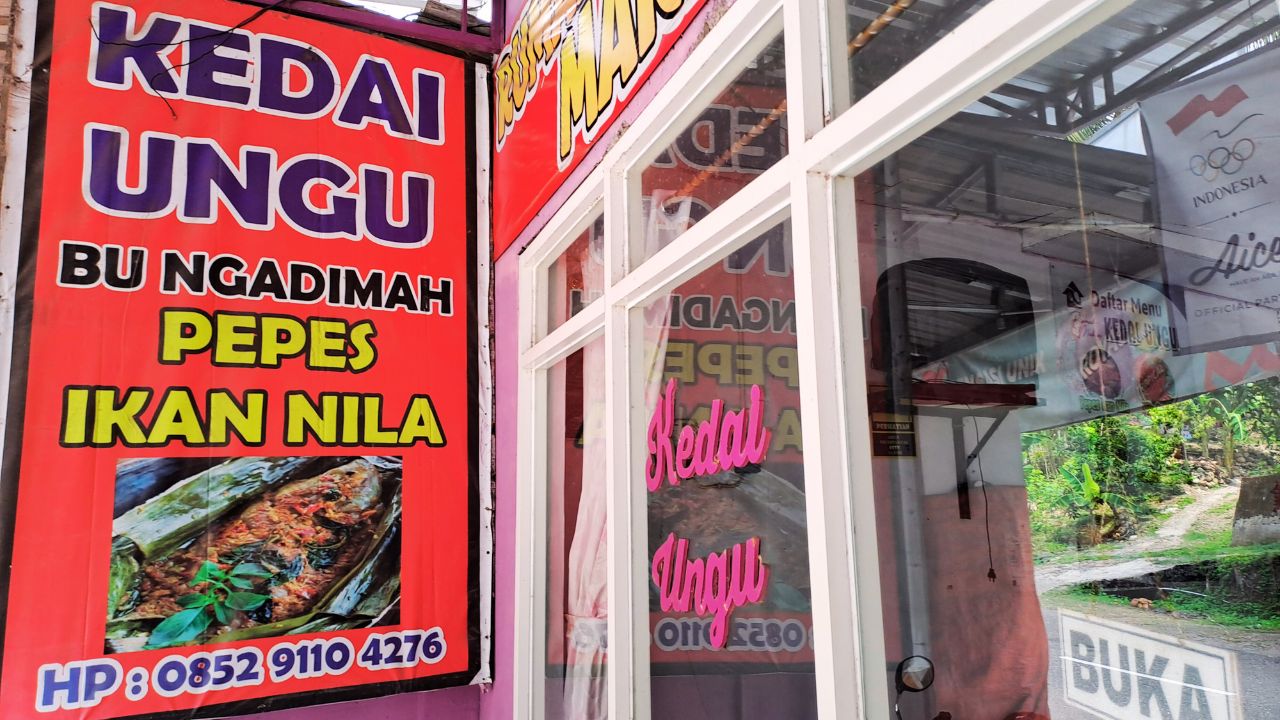

Nestled in the lush hills of Wadaslintang, specifically in Sumberejo Village, Wadaslintang District, Wonosobo Regency, lies one of the region's well-known local delicacies: pepes ikan nila (steamed tilapia in banana leaves). Bu Ngadimah, a 52-year-old woman, is the figure behind this unique dish's success. For travelers along the Kebumen-Wonosobo tourist route, Bu Ngadimah's name may already be familiar. Her humble eatery, known for its traditional flavors, has become a must-visit destination for food enthusiasts eager to taste her signature pepes ikan nila.
Nearly two decades ago, Bu Ngadimah started her business from scratch, armed only with her cooking skills and passion for culinary arts. She introduced pepes ikan nila as a signature dish, prepared with a special blend of traditional spices. Thanks to her determination, the dish has become an iconic culinary attraction in the Wadaslintang Dam area.
The rich mixture of spices, combined with the traditional cooking method of using banana leaves, creates a delicious flavor that is truly worth savoring. Today, Bu Ngadimah’s pepes ikan nila is not only popular among locals but also attracts tourists who make a special trip to enjoy this traditional cuisine. It’s no surprise that her modest roadside eatery along the Kebumen-Wonosobo route is always bustling with visitors eager to try her renowned pepes ikan nila.
The beginnings of pepes ikan nila's journey
In the early days, Bu Ngadimah (52) did not have a permanent food stall. To introduce her version of pepes ikan nila (steamed tilapia), she traveled from place to place, such as to schools and village offices. Additionally, she often sold her dishes door-to-door around the Wadaslintang area. These early efforts, marked by determination and hard work, gradually introduced the unique flavor of her pepes ikan nila to the community, where it became increasingly popular.
Over time, people began to recognize and appreciate the distinct taste of Bu Ngadimah’s pepes ikan nila. Thanks to the deliciousness of her dish, she built a strong reputation among the residents. It wasn’t long before travelers passing through the area became curious and eager to try the pepes ikan nila that had become the talk of Wadaslintang.

Bu Ngadimah’s roadside eatery on the Kebumen-Wonosobo Route
As public and tourist interest continued to grow, Bu Ngadimah decided to take her business to the next level by opening a small food stall along the Kebumen-Wonosobo road. Its strategic location along a popular tourist route made it convenient for visitors to stop by and enjoy the traditional regional cuisine. With the opening of this eatery, Bu Ngadimah’s name became even more widely known as the pioneer of pepes ikan nila in the Wadaslintang Dam area, bringing positive economic benefits both to herself and the surrounding community.
Becoming a culinary icon of Wadaslintang
The modest food stall founded by Bu Ngadimah has gradually evolved into a must-visit culinary destination for tourists passing through the Wadaslintang area. Its strategic location along the Kebumen-Wonosobo road makes it easily accessible to travelers seeking an authentic culinary experience. Initially, visitors came to taste the delicious pepes ikan nila. However, over time, Bu Ngadimah’s eatery became known for more than just her signature dish. Her innovation in offering a variety of tilapia-based dishes has further boosted the stall's popularity, attracting both local patrons and tourists from various regions, eager to sample these traditional delicacies that are difficult to find elsewhere.
In addition to the renowned pepes ikan nila, Bu Ngadimah offers two other standout dishes that are equally delicious: mangut ikan nila and nila bakar. The mangut ikan nila, featuring a thick, spicy coconut milk broth, has become a favorite among visitors. This dish provides a different flavor experience compared to pepes. The savory coconut broth combined with spicy bird’s eye chilies creates a spicy yet flavorful sensation that penetrates deep into the fish's flesh. The combination of rich, savory, and spicy flavors makes mangut ikan nila highly sought after, especially by those who enjoy broth-based dishes with complex, layered tastes.
Not to be overlooked, nila bakar (grilled tilapia) is also one of the signature dishes at Bu Ngadimah's stall. The tilapia is grilled until the skin is slightly crispy while keeping the meat tender inside, and it is served with a rich blend of Central Javanese spices. The careful grilling process imparts a fragrant aroma that enhances the appetite, while the spices deeply infuse the fish, creating an irresistible taste.

Bu Ngadimah's mangut ikan nila
Bu Ngadimah's rise as a culinary pioneer in the region is further solidified by her ability to attract a loyal customer base. Many visitors return, drawn back by the memory of her pepes, mangut, or nila bakar, which are served simply yet offer exceptional flavor.
Inspiring the local community
Bu Ngadimah’s success in developing her pepes ikan nila business has had a positive impact on the local community. Her achievement in establishing a food stall along the tourist route between Kebumen and Wonosobo has inspired many local residents to follow in her footsteps. Today, dozens of similar food stalls line the road, offering a variety of dishes based on tilapia and other local fishery products. This phenomenon not only enriches the culinary options in the Wadaslintang area but also helps boost the local economy, as more residents now benefit from the growing tourism sector.
Despite the rise of many similar stalls, Bu Ngadimah’s eatery continues to hold a special appeal for her customers. As the pioneer of pepes ikan nila in the Wadaslintang Dam area, her reputation is deeply rooted in the hearts of food enthusiasts. Loyal customers often remark that enjoying pepes ikan nila at Bu Ngadimah’s stall provides a unique experience, as this is the place where the distinctive flavor was first introduced to the public. This has kept her stall busy, attracting both returning customers familiar with her dishes and new tourists eager to discover the renowned flavors.
The process of making pepes ikan nila
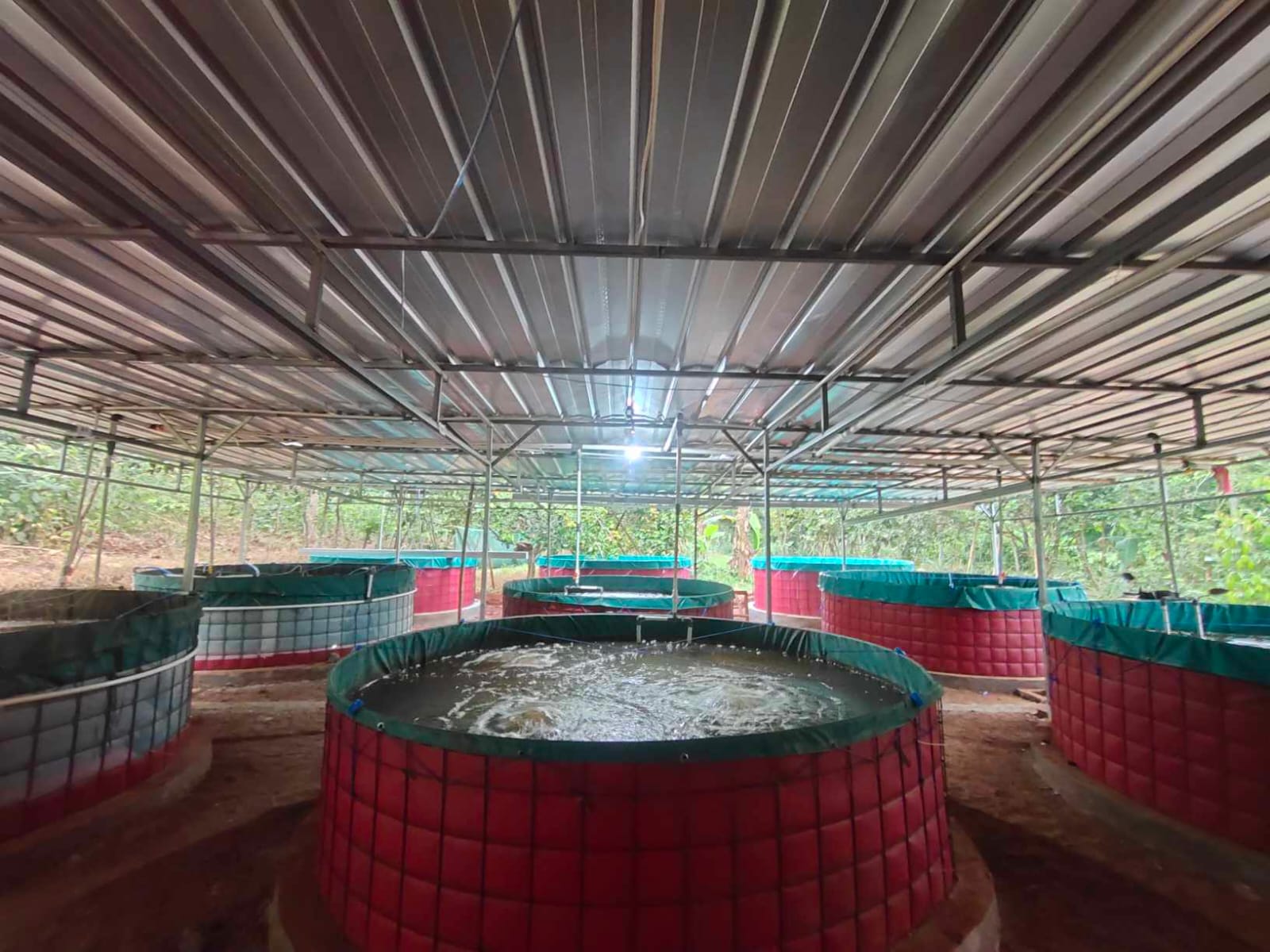
Every step in the preparation of pepes ikan nila is carried out with precision, from ingredient selection to cooking techniques that preserve traditional methods. The fresh tilapia used in this dish is sourced directly from the waters around the Wadaslintang Dam, ensuring high-quality and freshness. Before cooking, the fish is thoroughly cleaned to remove any impurities and fishy odor, ensuring it is ready to be transformed into pepes.
The next stage involves coating the fish with a signature spice blend made from various traditional ingredients. This mixture includes shallots, garlic, candlenuts, ginger, galangal, and most importantly, basil leaves. These spices not only enhance the flavor but also play a crucial role in giving pepes ikan nila its distinctive aroma and taste.
Once coated in this special blend of spices, the tilapia is carefully wrapped in banana leaves. The banana leaf serves not only as a wrapper but also as a key element that enhances the flavor of the dish. During the steaming process, the hot steam interacts with the banana leaf, releasing a fresh, natural fragrance that infuses into the fish. This aromatic quality is one of the unique characteristics that sets pepes ikan nila apart from other fish dishes, offering a unique sensory experience when eaten.

Pepes ikan nila ready to eat after unwrapping the banana leaf
Steaming is also a key technique in maintaining the soft texture of the fish. Unlike other cooking methods that may dry out the fish, steaming allows the spices to evenly penetrate the fibers of the tilapia while keeping the flesh tender. The result is a dish where the fish remains moist and succulent, with flavors thoroughly absorbed into the meat. Though simple, this traditional method produces a dish with an authentic and delicious tast