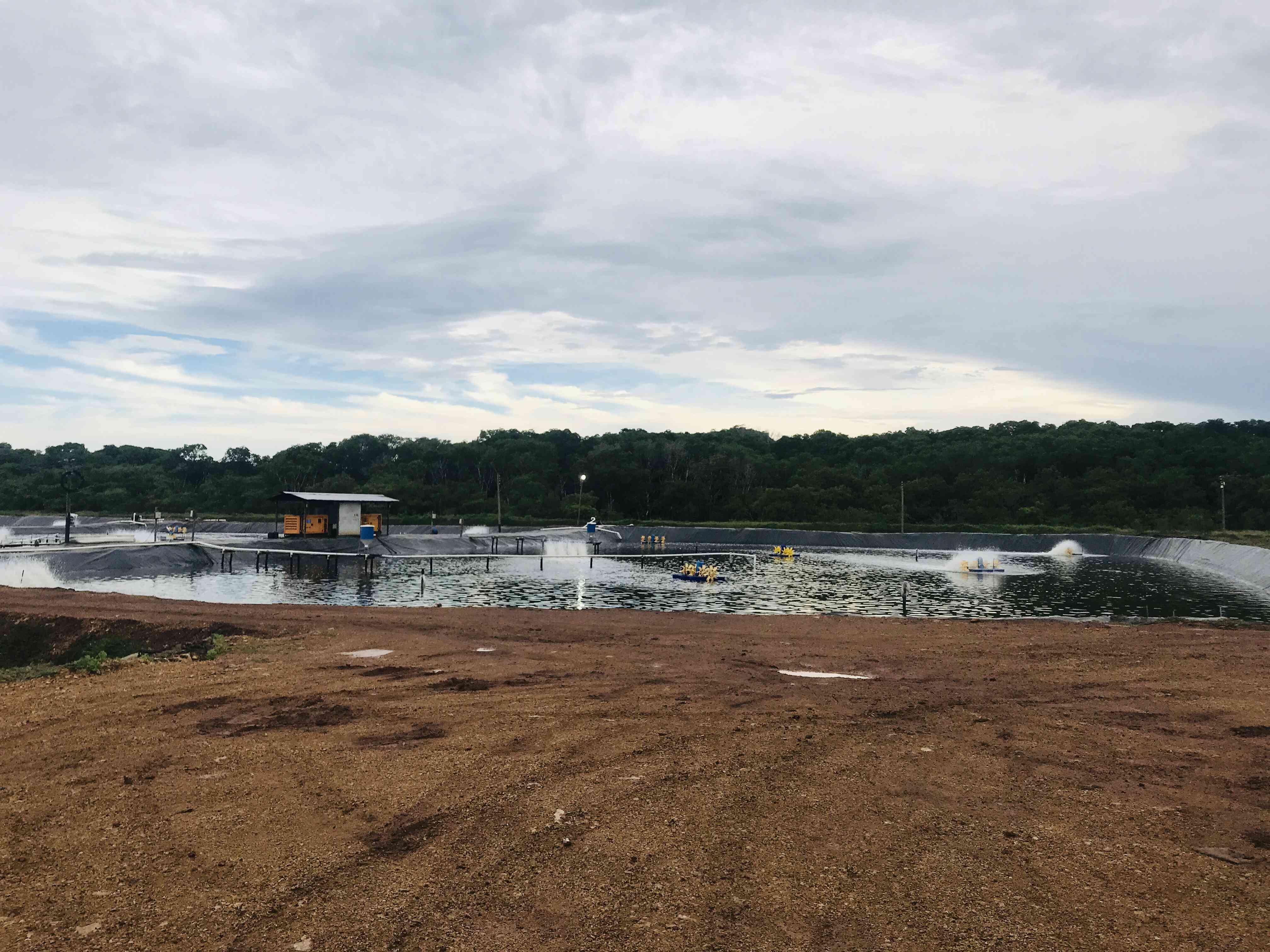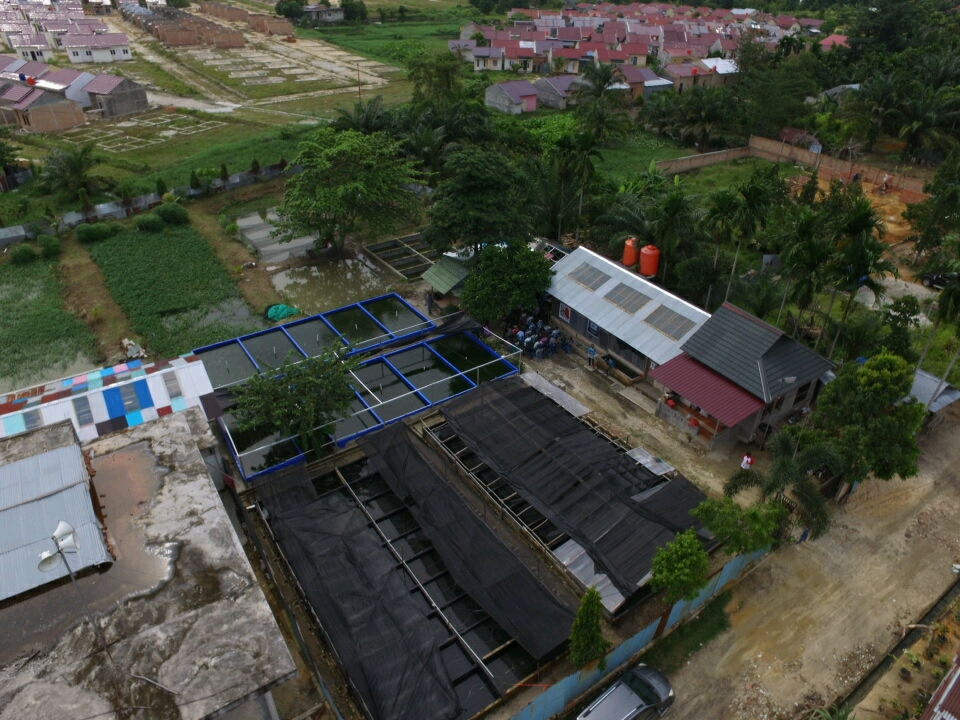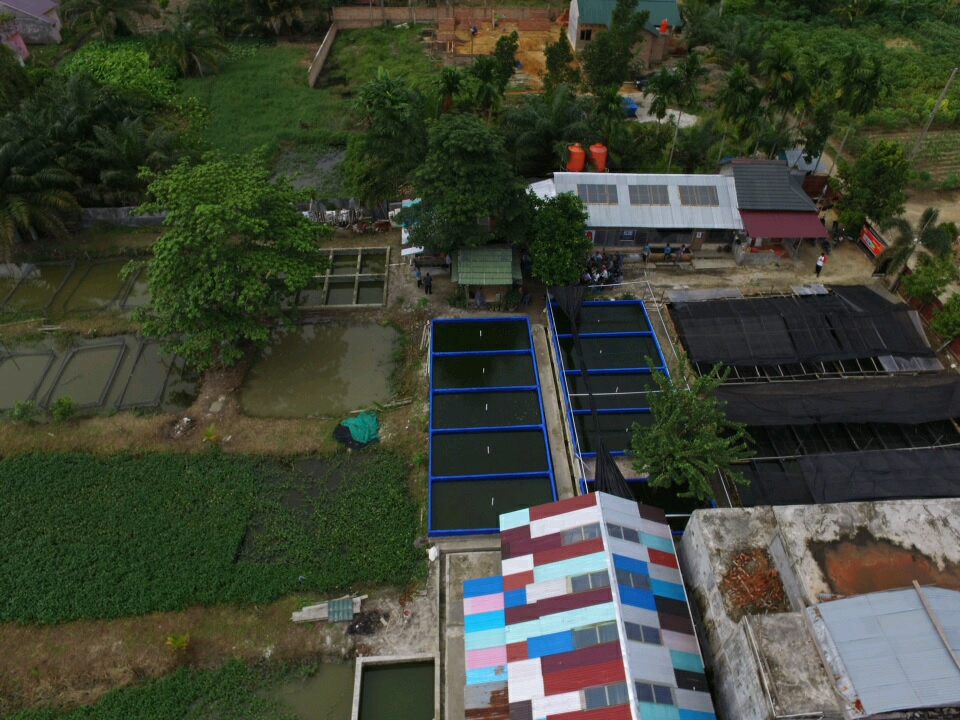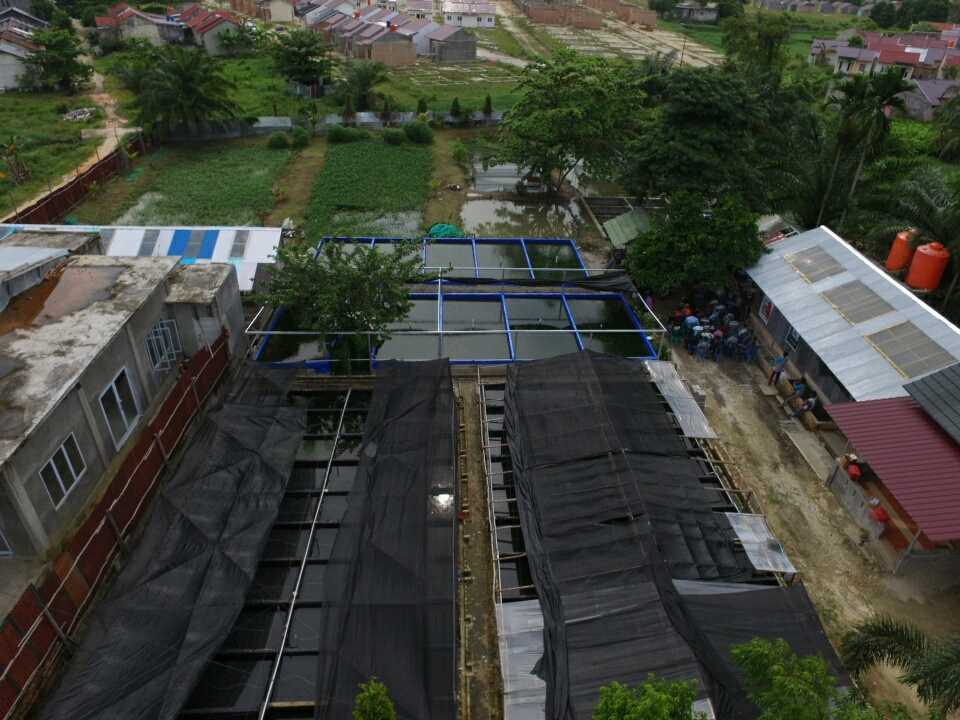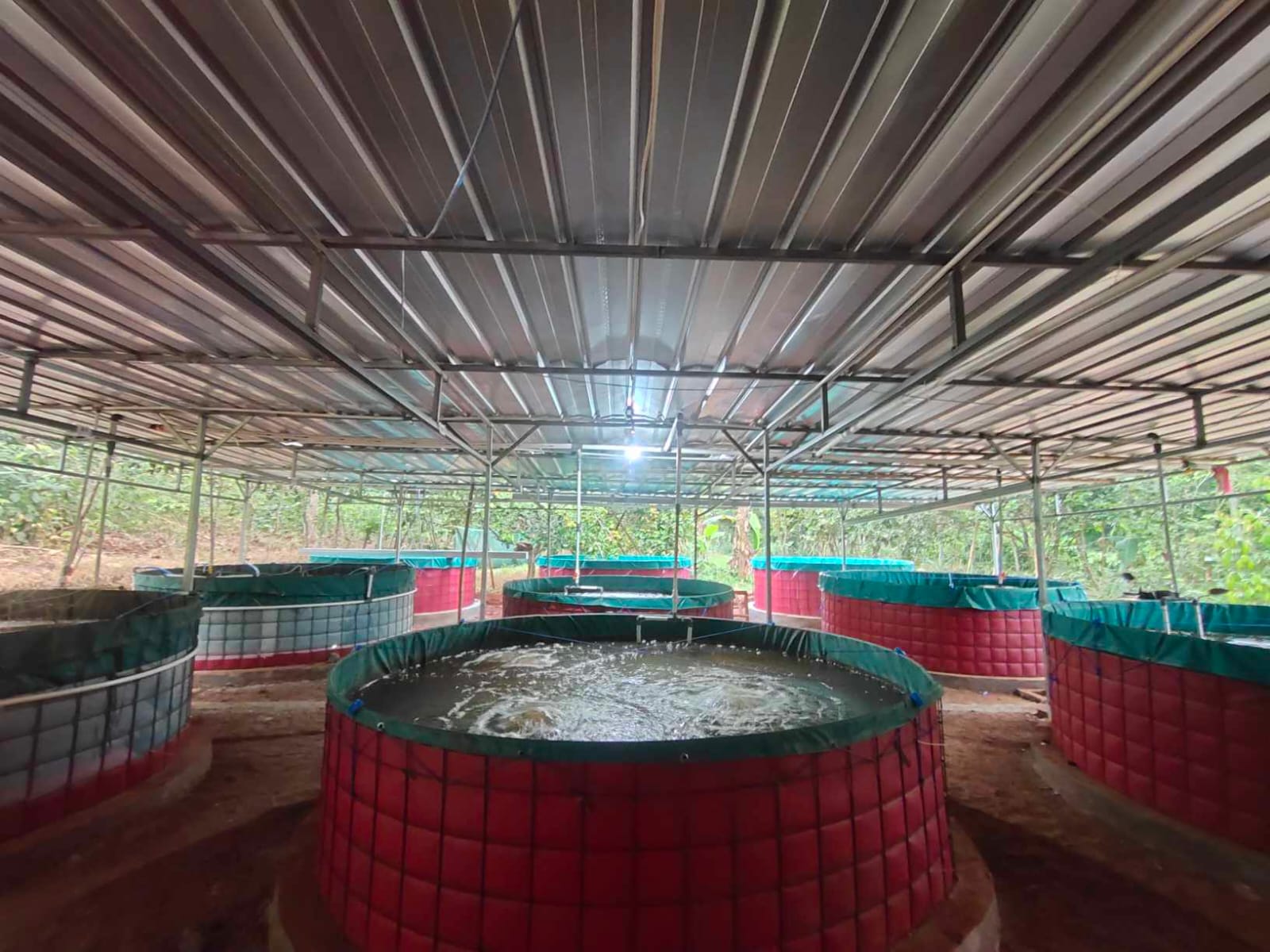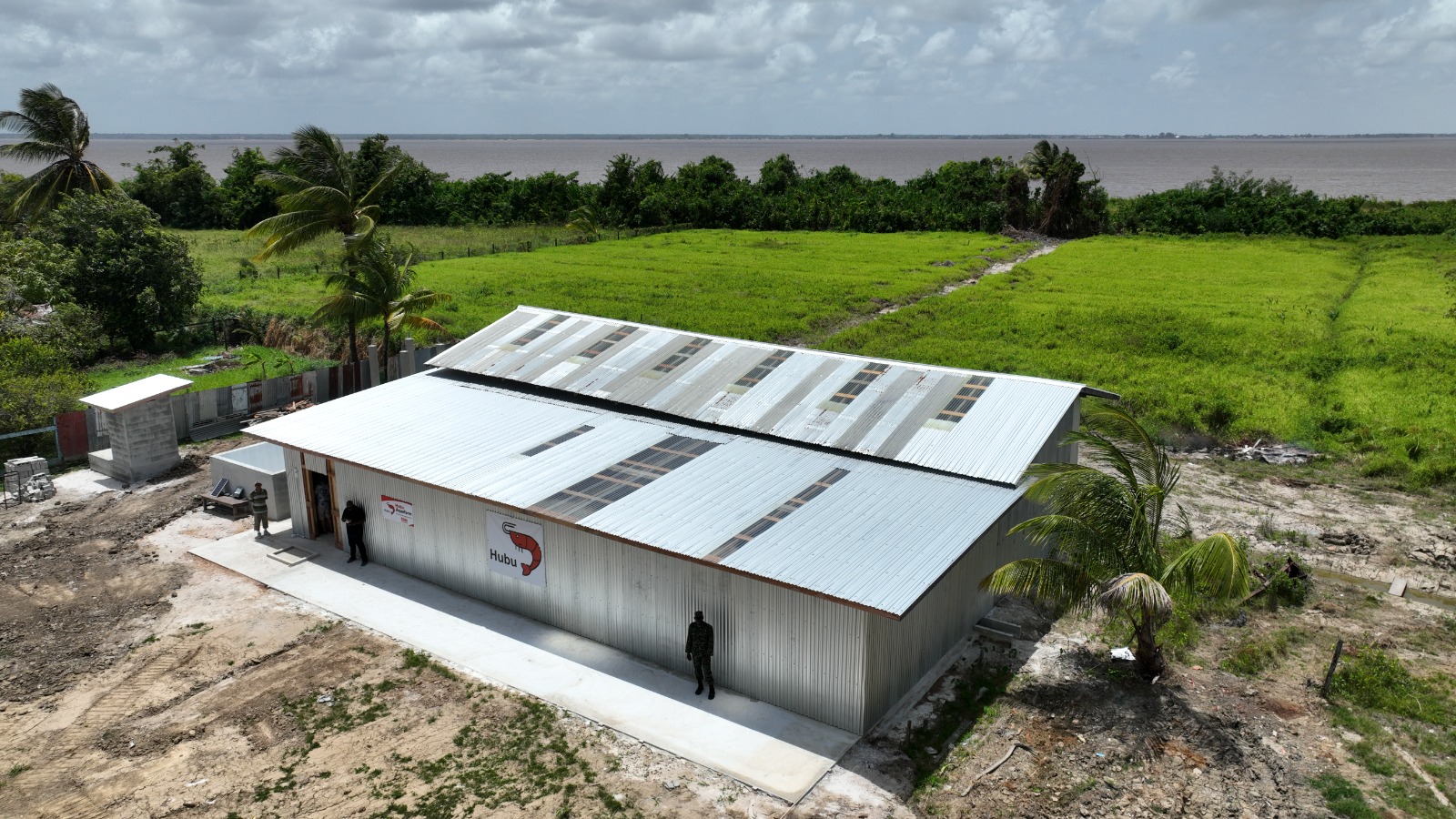

As the world's largest archipelago, Indonesia possesses immense fisheries resources. Covering about 70% of its total territory with water, Indonesia's marine biodiversity spans vast areas, from the Strait of Malacca to the Arafura Sea. This wealth forms a strong foundation for the government's efforts to boost national fishery production, particularly in the aquaculture sector.
According to the Ministry of Marine Affairs and Fisheries (KKP), Indonesia’s national fishery production reached 11.8 million tons from January to June 2024, with the majority derived from aquaculture. In 2023, national production was reported at 24.74 million tons, including seaweed, as announced by Minister Sakti Wahyu Trenggono to Antara News.
While high fishery production contributes significantly to Indonesia’s economy, it also presents challenges, particularly in waste management. Improperly managed fishery waste can have negative environmental impacts. Such waste is categorized into several types:
- Solid waste, which includes fish remains such as flesh, scales, heads, skin, bones, gills, and internal organs.
- Liquid waste, including pond water, blood, mucus, and washing water containing organic materials.
- Gaseous waste, comprising compounds like ammonia and hydrogen sulfide that produce unpleasant odors.
The potential of utilizing fishery waste
Fishery waste typically contains various elements, including residual organic materials, inorganic substances, heavy metals, and odorous gases, all of which can pose risks to the environment. However, with proper management, this waste can be transformed into economically valuable resources. Research has shown that organic fishery waste can be processed into biogas or high-quality organic fertilizer, contributing to both the agricultural and energy sectors.
A study by Andriyeni highlights two main approaches to managing fishery waste:
- Safe disposal: Waste can be disposed of in designated areas adhering to stringent environmental standards.
- Value-added processing: Waste can be converted into useful products, such as raw materials for other industries or alternative energy sources.
The principle of zero waste is a cornerstone of the blue economy, a sustainable production model. Within this framework, waste from one production process is no longer viewed as a problem but is repurposed as raw materials or energy for other processes. This approach not only reduces environmental pollution but also enhances resource efficiency and generates significant economic value.
Focus on catfish waste
Catfish is among the most popular aquaculture commodities in Indonesia. According to data from the Central Bureau of Statistics (BPS), national catfish production in 2022 reached 1.1 million tons, reflecting a 5.8% increase from the previous year’s 1.04 million tons. Despite this substantial production, waste from catfish farming and processing remains underutilized, even though it holds significant economic potential if managed effectively. For instance, solid waste from catfish can be processed into liquid organic fertilizer, animal feed, or even food products such as nuggets, crackers, and floss (abon).
Research has revealed that liquid waste from catfish contains a pH of 7–8 and essential nutrients, including nitrogen (0.98–1.67%), phosphorus (1.89–3.40%), and potassium (0.01–1.03%). Solid waste, on the other hand, contains higher nutrient levels, with nitrogen at 1.99–13.97%, phosphorus at 4.10–4.69%, and potassium at 2.31–4.09%. Organic carbon content (C-organic) in liquid waste averages 0.63%, while in solid waste it reaches 21.67%.
From a utilization perspective, the pH of liquid catfish waste meets the standards for liquid organic fertilizer set by the Ministry of Agriculture Regulation No. 70 of 2011. However, its nitrogen, phosphorus, and potassium levels fall short of these standards. Conversely, solid catfish waste meets the criteria for compost and liquid organic fertilizer as defined by SNI-19-7030-2004, although the carbon-to-nitrogen (C/N) ratio needs to be improved for optimal results.
Strategies for managing catfish waste
Maximizing the utilization of waste from catfish farming and processing requires strategic approaches. First, liquid waste management can be directed toward producing liquid organic fertilizer, as successfully demonstrated by the MINASARI Fish Farmers Group (POKDAKAN) in Tegalsari Village, Karanggede District, Boyolali Regency. Although the nutrient content in liquid waste may not yet meet optimal standards, its quality can be enhanced through enrichment processes by adding other organic materials.
Second, solid waste, such as bones, skin, and fish heads, can be processed into high-value products like gelatin, collagen, or even crafts. Solid waste can also serve as a raw material for nutrient-rich compost production.

Utilizing liquid waste from catfish farming to produce liquid organic fertilizer: Kumparan/Gayuh Eka Supandi
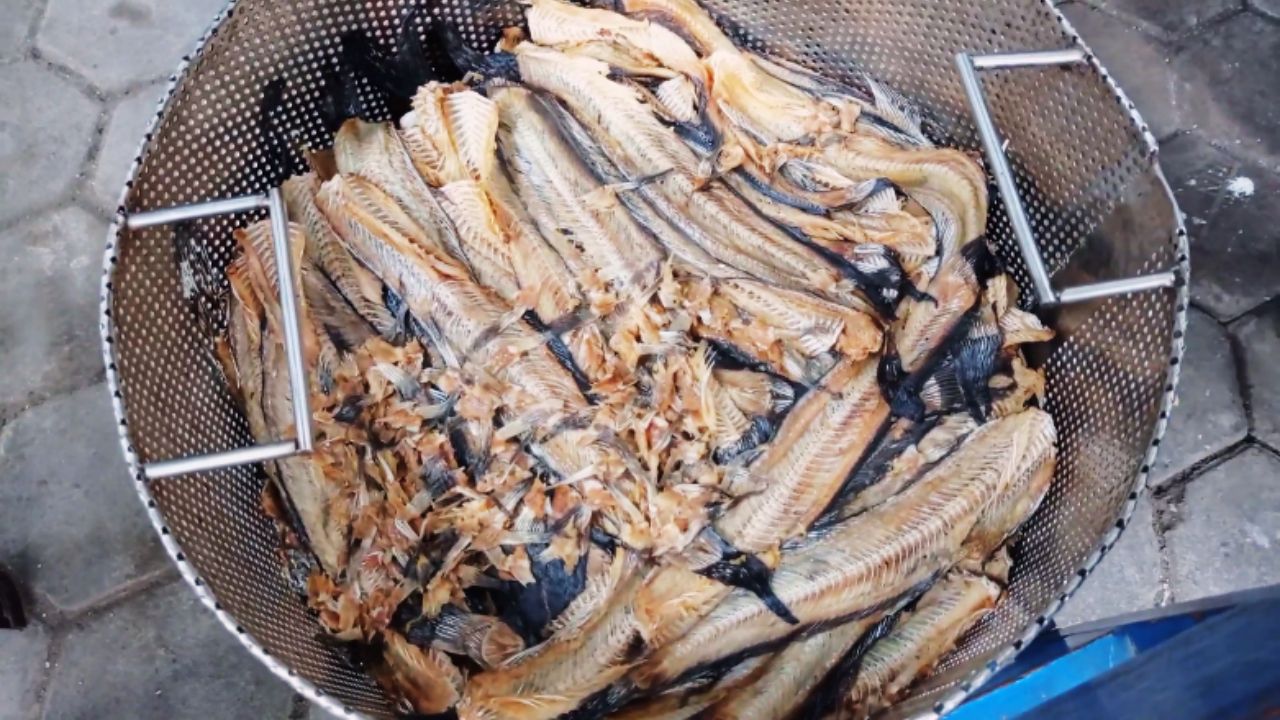
Another important step is food production from waste, where unused parts of the skin, bones, and meat can be transformed into various food products such as crackers, fish floss (abon), or fish meal. Innovations in this area help reduce waste while creating new economic opportunities. For example, PT Rumah Inovasi Natura has developed a method to process catfish skin and bones into edible fish meal.
Finally, managing gas emissions from waste processing is crucial to mitigate unpleasant odors. Technologies such as biofilters or anaerobic processing can convert waste gases into biogas, which can then be used as an alternative energy source.

PT Rumah Inovasi Natura has developed a method to process solid catfish waste, including bones and skin, into fish meal
Processing liquid waste from catfish farming into organic liquid fertilizer
Transforming liquid waste from catfish farming into organic liquid fertilizer is an effective way to repurpose waste while minimizing environmental pollution. The process involves preparing essential materials and tools, including wastewater from catfish farming, molasses or sugarcane syrup as an energy source for microorganisms, and Effective Microorganisms 4 (EM4) to accelerate fermentation. A sealed container, such as a basin or plastic drum, is also required.
To begin, the wastewater is poured into the container, and molasses is added in a 1:10 ratio to provide nutrients for the microorganisms. EM4 is then introduced, typically at a dosage of 1–2 tablespoons per liter of wastewater, to enhance the decomposition of organic matter.

The production process of liquid organic fertilizer : Kumparan/Gayuh Eka Supandi
Once all ingredients are combined, the mixture is stirred thoroughly and stored in a tightly sealed container placed in a shaded area, away from direct sunlight. The fermentation process takes approximately three months, during which microorganisms break down the organic material into nutrient-rich liquid fertilizer.
After fermentation is complete, the liquid is filtered to remove any solid residues, yielding a pure organic fertilizer ready for use. This fertilizer can be applied to plants either by watering the soil directly or spraying it onto the leaves. In addition to supplying essential nutrients such as nitrogen, phosphorus, and potassium, this method of repurposing catfish farming wastewater supports the principles of zero waste in aquaculture. It offers a sustainable, eco-friendly solution that benefits both agriculture and the environment.
Challenges and opportunities
The management of catfish farming waste in Indonesia faces several challenges that must be addressed to improve the efficiency and sustainability of the fisheries industry. One of the primary obstacles is the lack of awareness among industry players regarding the importance of proper waste management. Many fish farmers are unaware of the negative environmental and public health impacts caused by untreated waste. Additionally, limited knowledge and access to waste processing technologies pose significant barriers. According to Prof. Dr. Heni Rachmawati, a pharmaceutical expert from the Bandung Institute of Technology (ITB), the underutilization of nutrient-rich waste stems from a lack of understanding about its potential value.
Despite these challenges, there are substantial opportunities to be seized. With the growing global demand for sustainable and environmentally friendly fishery products, effective waste management in catfish farming can enhance the value of Indonesian fishery products. Transforming catfish waste into organic liquid fertilizers, animal feed, or raw materials for other processed products can boost efficiency and mitigate environmental harm.
Indonesia’s economic projections for 2030 indicate significant growth potential. According to Standard Chartered, Indonesia’s GDP is expected to reach USD 10.1 trillion by 2030, nearly tripling from USD 3.2 trillion in 2017, positioning the country as the world’s fourth-largest economy. Furthermore, as noted on Indonesia.go.id, President Joko Widodo has emphasized Indonesia’s vast economic potential, projecting a fourfold growth by 2030 to USD 210 billion.
Achieving this economic growth will require attention to waste management, including waste from the fisheries sector, particularly catfish farming. With effective waste management practices, improved production efficiency, and sustainable innovation, Indonesia is well-positioned to realize its potential as the world’s fourth-largest economy by 2030, as forecasted by Standard Chartered.