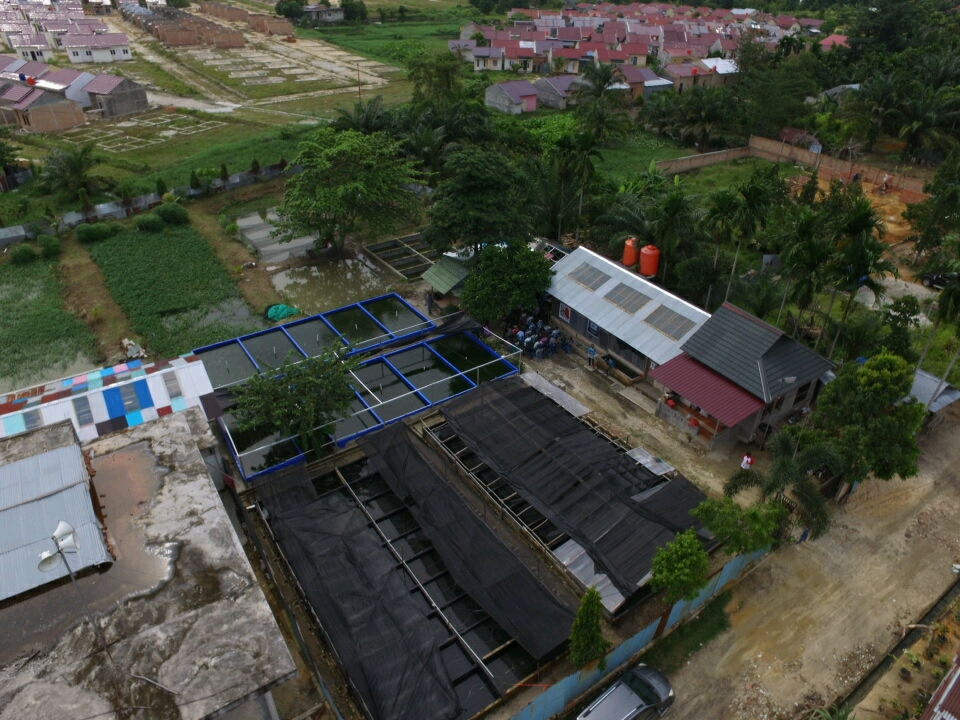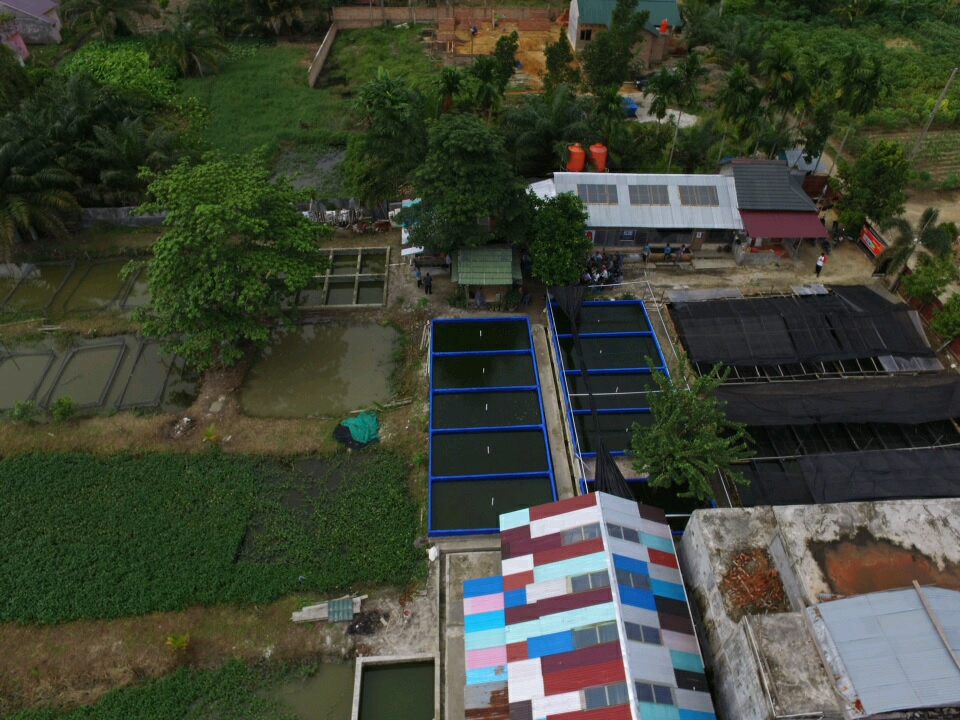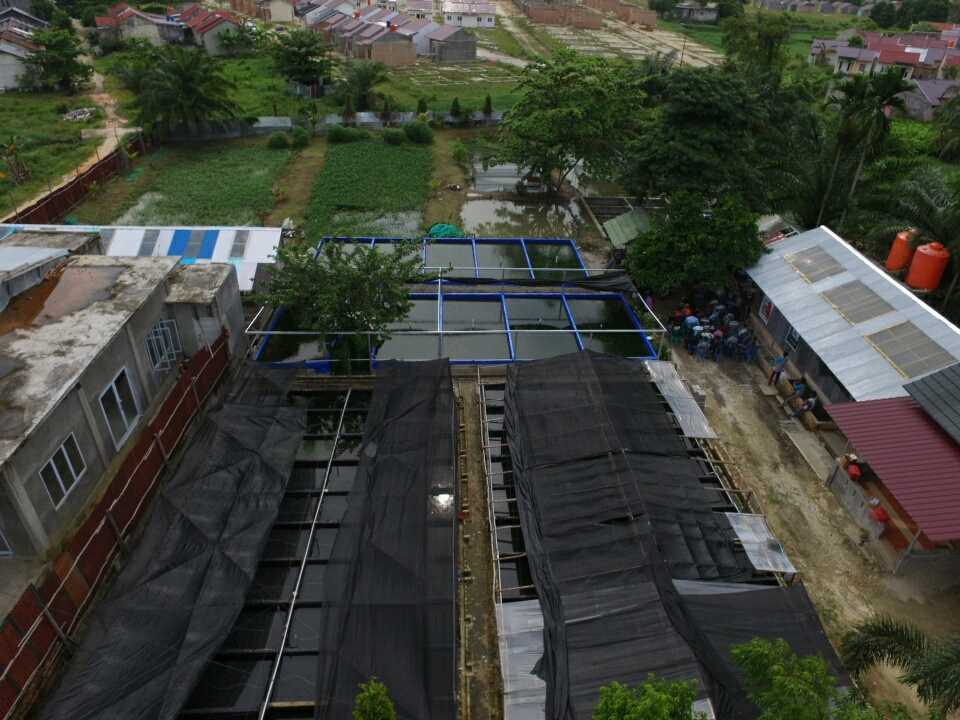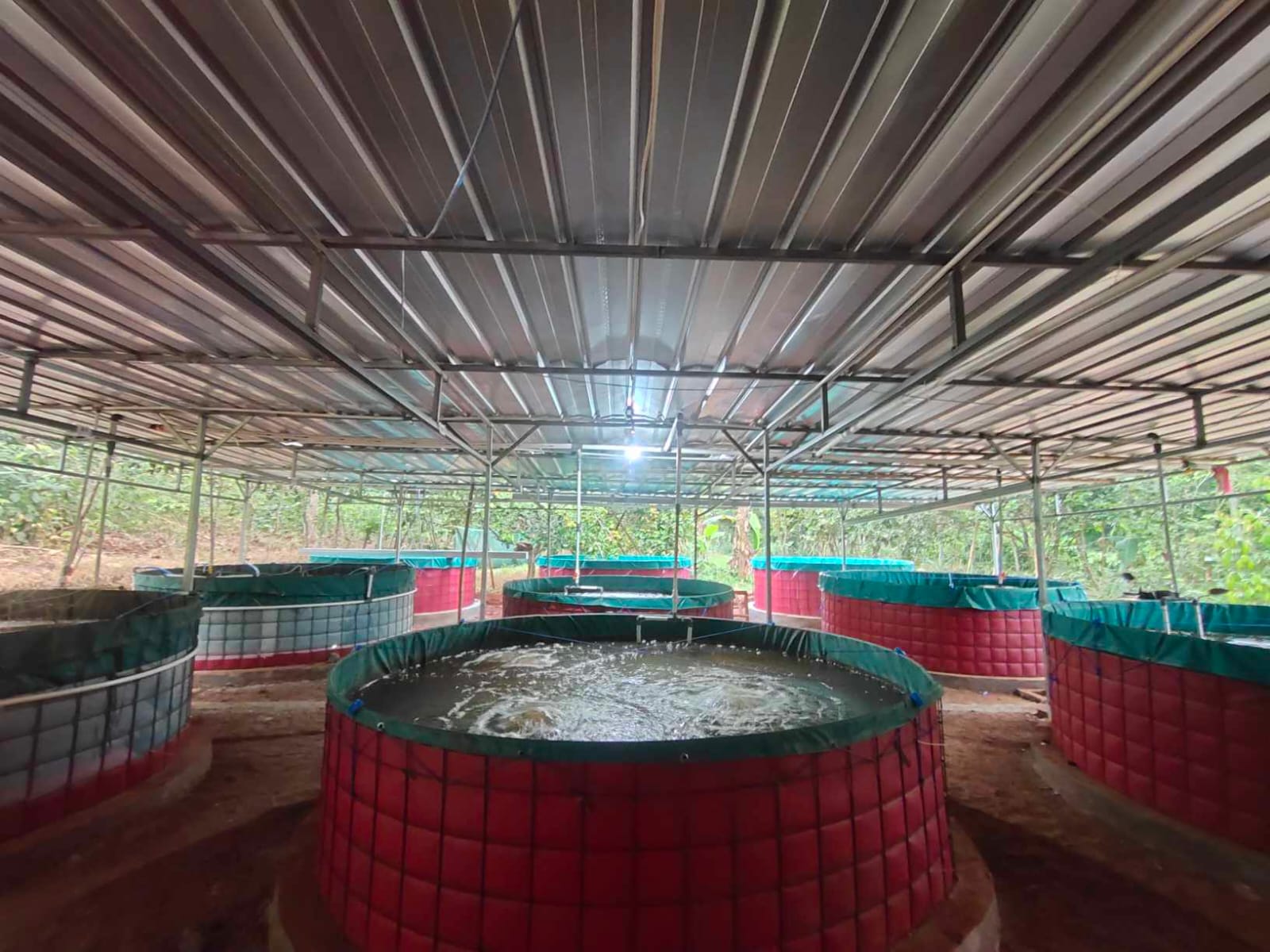
Pangasius is known to have a delicious, savory meat taste and a slightly chewy texture. The price is relatively affordable, so people like to consume it. The significant market demand for Pangasius in traditional and modern markets indicates this. In addition, culinary businesses such as restaurants, cafés, and street vendors also have a reasonably high demand for Pangasius. Therefore, the market prospects are up-and-coming. However, cultivators have not properly utilized this good market prospect to increase production to meet market needs.
Cultivators continue to be encouraged to increase Pangasius production further, especially for community consumption needs. Pangasius rearing activities play an essential role in meeting the market demand. This activity is carried out after the hatchery and nursery of Pangasius. Pangasius cultivation in the enlargement category is usually carried out when Pangasius seeds weigh 8-12 grams per head, and after six months, they can reach 600-700 grams per head. Some Pangasius cultivators harvest after 3-4 months of age due to market demand for Pangasius with lower weight per head. The Pangasius enlargement techniques are as follows:
1. Location requirements
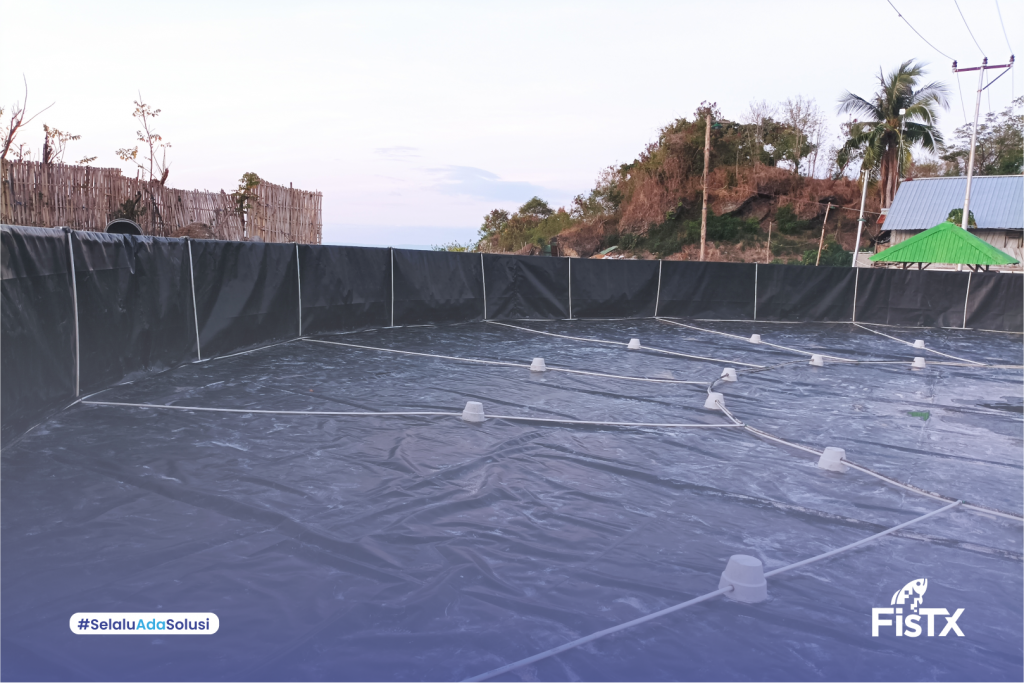
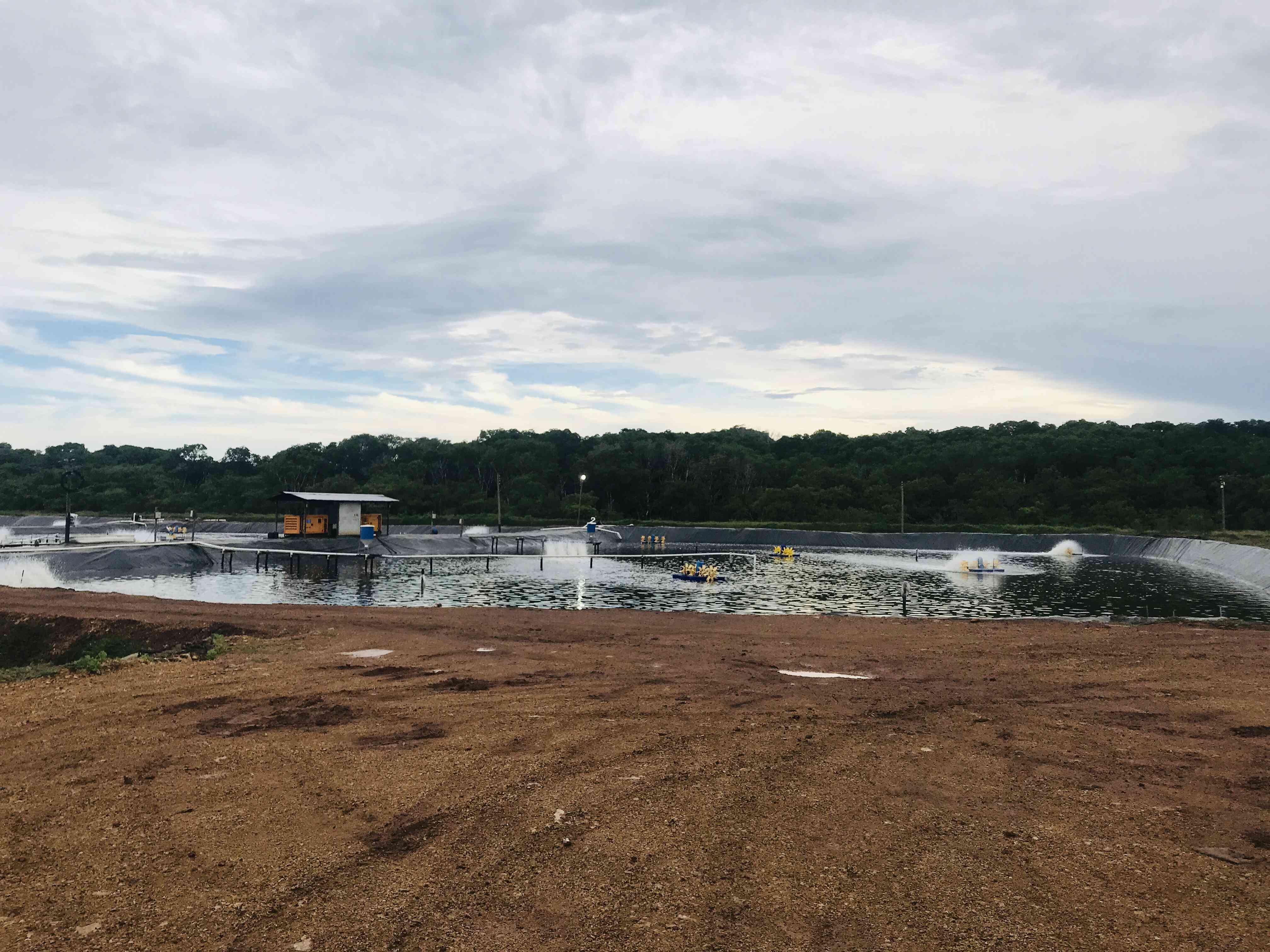
- Good soil for rearing ponds is a type of clay or loam that is not porous. This type of soil can hold a large amount of water and does not leak, so embankments or pond walls can be constructed.
- The slope of the soil is suitable for making ponds ranging from 3-5%, which facilitates the watering of the pond by gravity.
- If the enlargement of Pangasius is carried out with floating nets installed in the river, the right location is a slow-flowing river.
- The water quality for rearing Pangasius must be clean, not too cloudy, and free from contamination with toxic chemicals or factory waste. Water quality must be taken into consideration. To prevent mold emergence, adding a fungal growth inhibitor solution (emolien or blitz ich at a dose of 0.05 cc/L) is necessary.
- A suitable water temperature for hatching eggs into larvae in an aquarium is between 26-28 °C. A heater is needed to achieve a relatively stable optimal temperature in areas where the water temperature is low.
2. Enlargement maintenance
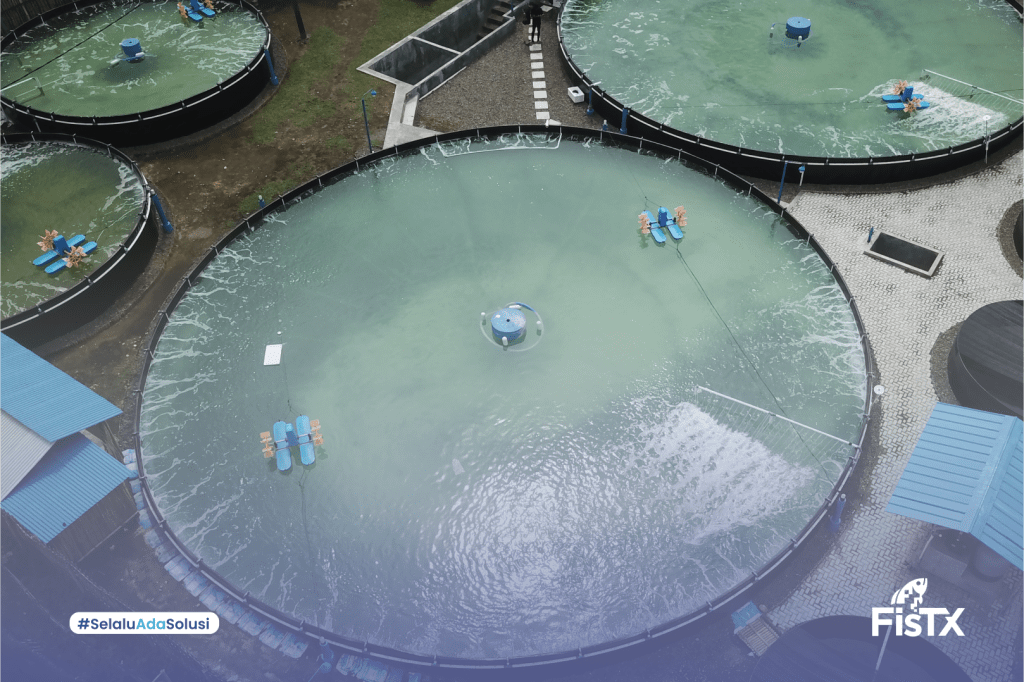
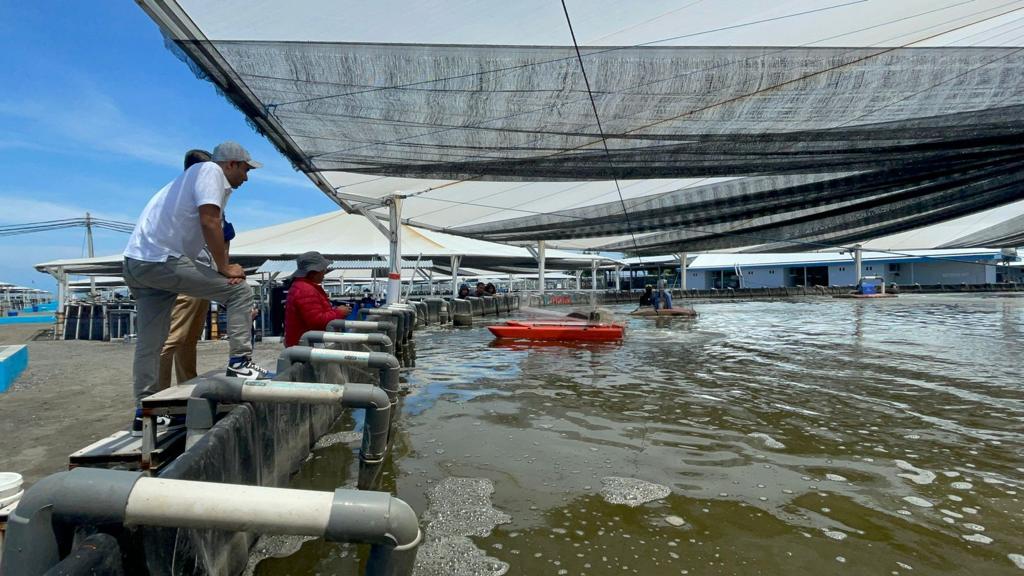
Pangasius will grow better in mud ponds with a good water flow. However, it can also be kept in concrete ponds that do not flow, but it is necessary to pay attention to water quality to keep it in good condition. The steps for maintaining Pangasius are as follows:
a. Fertilization
If the pond's condition is muddy, fertilization should be done first to increase its productivity. This can be done by stimulating the growth of natural feed as much as possible. Commonly used fertilizers are manure or green manure at a dose of 50–700 g/m².
b. Feeding
Feeding is a critical factor in the cultivation of Pangasius and other fish. Proper feeding will result in a significant growth rate for Pangasius. Feeding should be done twice a day (morning and afternoon), with 3-5% of the total body weight of the fish. The amount of feed should be adjusted according to the increase in the body weight of the fish in the pond, which can be determined by weighing 5-10 sample fish. The feed provided should be commercial pellets with high protein content, as well as alternative feeds such as shellfish, golden snails, snails, trash fish, kitchen scraps, and others, which can be obtained from the surrounding environment.
c. Handling pests and diseases
Constraints and problems often encountered in Pangasius fish farming activities include pests and diseases. Lingsangs, turtles, monitor lizards, water snakes, and birds may attack when rearing Pangasius in floating nets and ponds. To prevent the entry of these pests, install lighting around the pond; they usually will not enter if there is light from the lamp. Pangasius disease can be caused by infection and non-infection. Infectious diseases arise due to interference with pathogenic factors, while non-infectious conditions occur due to interference with non-pathogenic elements. For more details, see the article on treating disease in sick catfish.
d. Harvesting Pangasius
The harvesting process is carried out by catching Pangasius, starting from downstream and then moving upstream. If the kere pushes the Pangasius fish, they will be cornered upstream. This method of harvesting is beneficial as the fish still get freshwater, thus avoiding fish deaths. Floating nets should not be used to catch fish, as this can injure the fish.