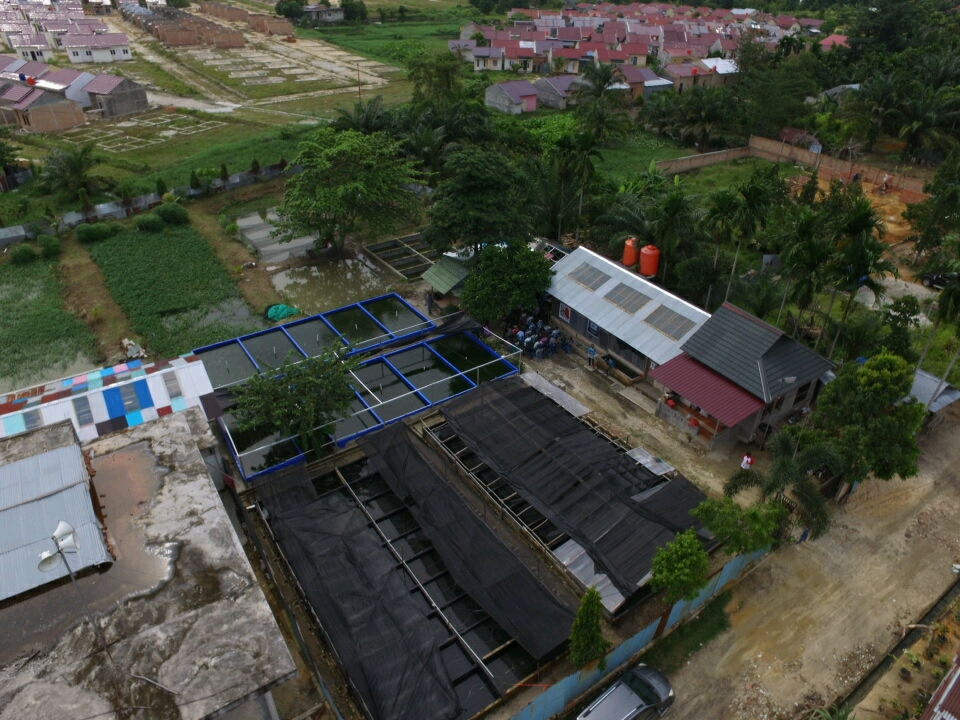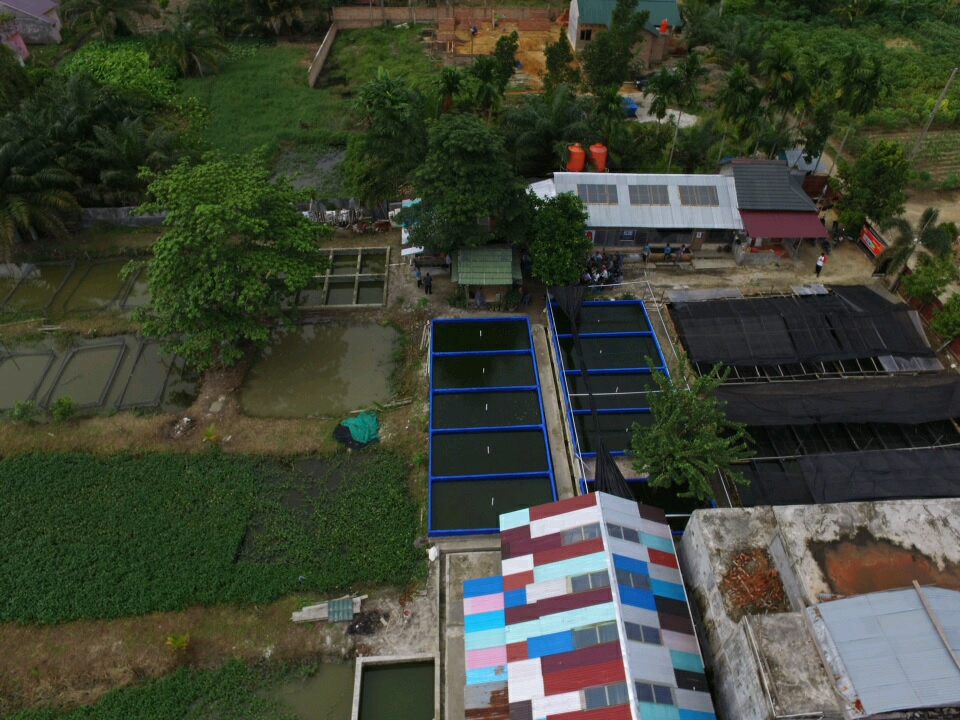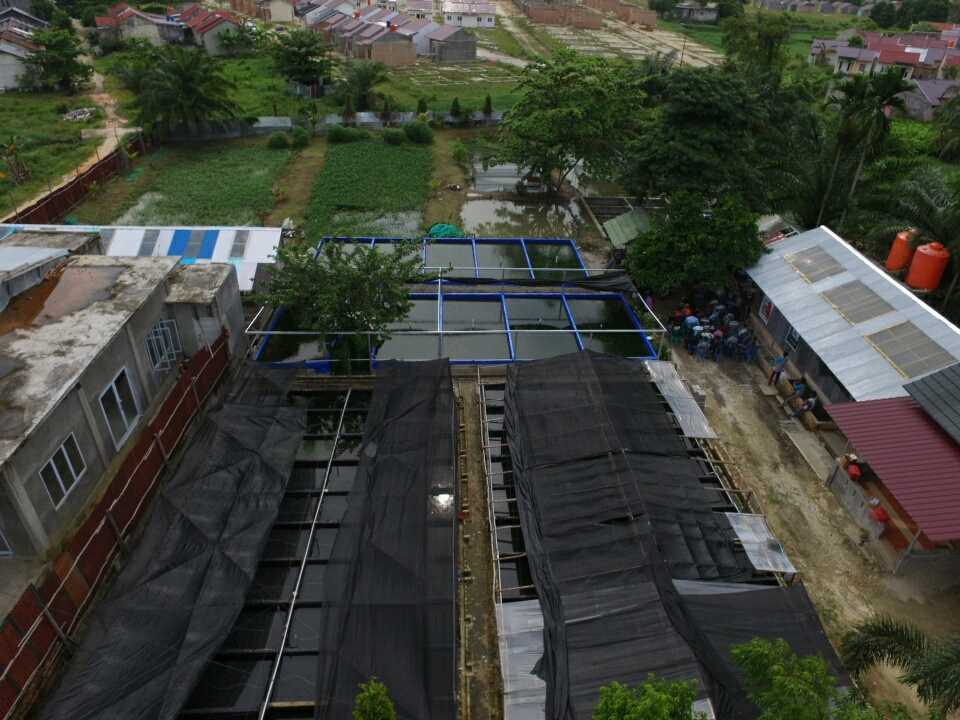
Along with the development of the Pangasius farming business, several problems arose, including limited land and water, especially in urban areas. This is due to the rapid growth of the non-fishing industry and the increasingly dense human population. Therefore, the fisheries sector industry must be more advanced in terms of technology and the application of methods to overcome these problems. One of the technologies that can be used is Pangasius cultivation technology with an aquaponics system. Aquaponics is an alternative to growing plants while keeping fish in one container that can reduce water pollution caused by fish farming activities and the water used during cultivation. Aquaponics is the continuous use of water from fish rearing to plant media and vice versa from plant media to fish ponds. The process involves plants utilizing nutrients derived from fish waste, which, if left in the pond, would be toxic to the fish. The plants function as a vegetation filter, breaking down these poisonous substances into substances that are not harmful to fish and supplying oxygen to the water used to raise the fish.
1. Tools and materials
a. Tool
- Aquarium pump.
- Paralon (PVC pipe).
- Bottles (glasses) used for mineral water as plant pots.
- Husk (stone).
- Filter cork (sponge, rockwool).
- Stove wick (soaking cloth).
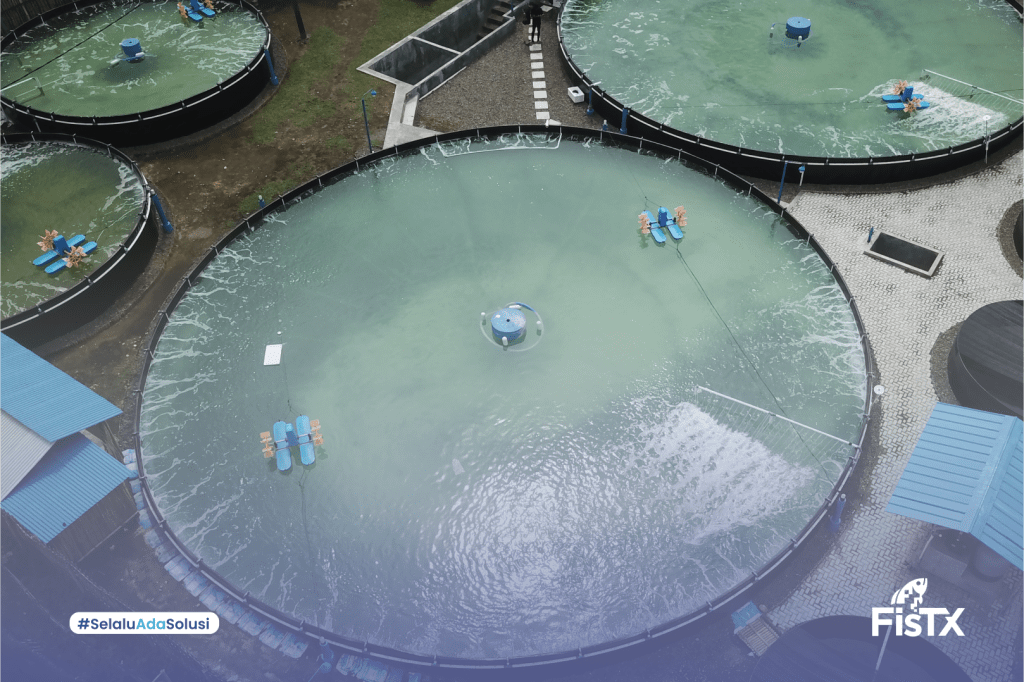
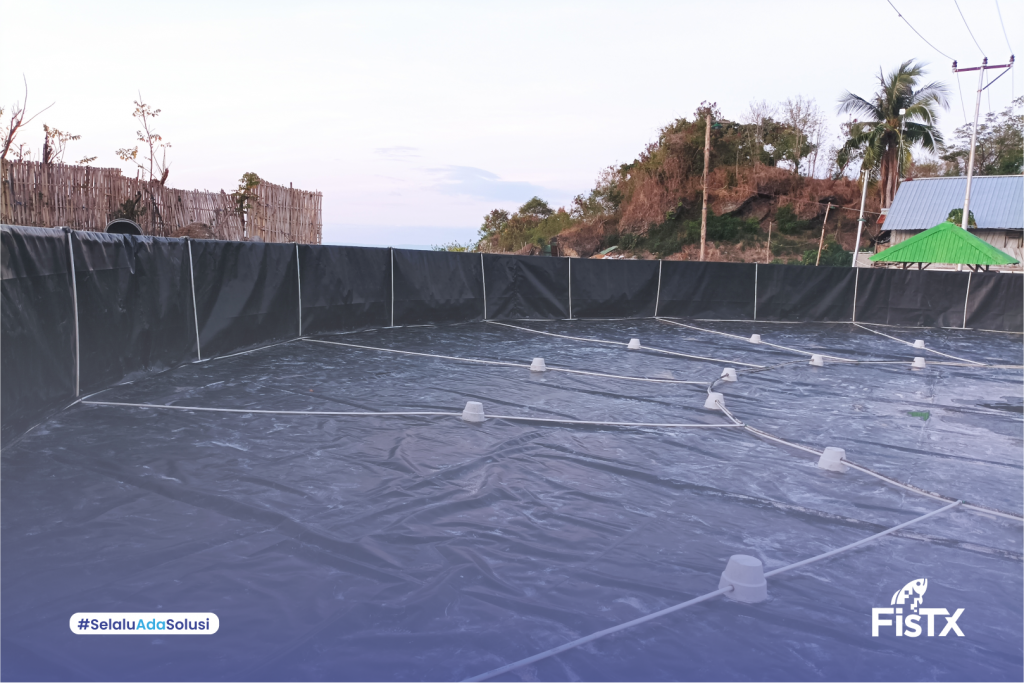
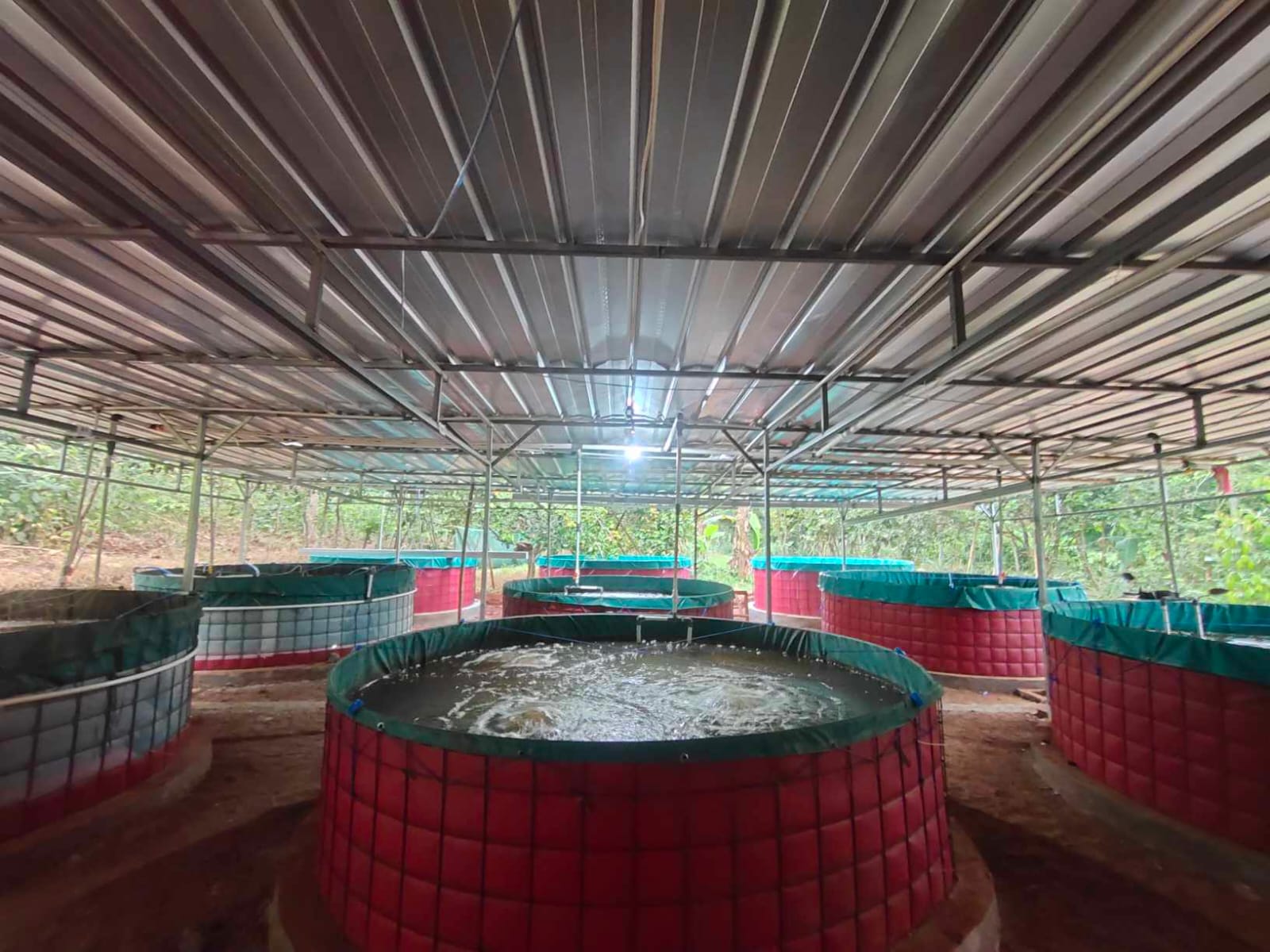
- Fish ponds from tarpaulins (can also be with other ponds such as concrete ponds).
b. Ingredients
- Pangasius 5-7 cm.
- Vegetable crops.
2. Procedure for making aquaponics system
- Prepare a pond that has been filled with Pangasius.
- Make a container for plants.
Sow the seeds on a tray or seedling container, using seeds with a germination rate of 80% or higher. Rockwool is an excellent seedling medium because it has a high water absorption rate and is sterile, but you should check to see if it is readily available. Alternatively, an aquarium filter cork or sponge can be used. Once the seeds are old enough and have grown well, transfer them to the planting medium.

Source: flickr/aquaponics system
- Plant seeds for sowing
Seeds are sown on a tray or seedling container. Use seeds whose germination rate is above 80%. A good seedling medium commonly used is rockwool. Rockwool is very practical because it has high water absorption and is sterile, but the availability of rockwool still needs to be determined. Instead, you can use an aquarium filter cork or sponge. If the seeds are old enough and grow well, then transfer the seeds to the planting medium.
- Prepare plant pots
Plant containers can be made from recycled plastic bottles by adding a wick or absorbent fabric underneath the pot as a means of water absorption or by creating unique pots (cups) for hydroponic plants.
- Maintenance of Pangasius and plants
For plant care, we simply monitor its growth and development. If the plant seeds have begun to grow or have two leaves, they can be transferred to the paralon that has been created. Cork or aquarium filter husks can be used as planting media. Plants can be kept in a paralon or a pond with an aquarium pump. The aquarium pump's hose is then inserted into the paralon, allowing water from the fish pond to flow into the paralon and back into the fish pond.
As for the maintenance of Pangasius, we must always provide adequate feed, maintain water quality well, and ensure optimal fish health. It is crucial to think carefully before feeding the fish, as giving them too much can lead to waste and harm their growth. Therefore, we must remove any excess from the pond. The feed can be given as floating fish pellets as a satiation method (a method of feeding based on the ability or need for fish consumption). Feeding should be done three times a day. To maintain water quality and optimal fish health, we should regularly check the ammonia, nitrate, and pH levels. A simple way to do this is to clean the pond water through regular water changes at least once a week.
- Harvest
If the growth is good, plants can be harvested in one month, while Pangasius can be harvested within 5-6 months.