Pangasius or what Indonesians know as patin is a fish originating from the Southeast Asia region, and has become one of the most popular fish and is widely consumed by the global community.
Vietnam is the world leader in pangasius cultivation and processing, with the largest market shares in the United States, Mexico, Australia, Canada, Brazil, Colombia, the United Kingdom, Russia and the United Arab Emirates. What makes pangasius so popular and widely consumed throughout the world? The answer lies in a number of factors that make it superior in the fishing industry.
Firstly, pangasius cultivation is very popular because it is relatively easy to do and has fast growth, so the harvest period can be relatively short. This ease of cultivation is the main attraction for fish farmers around the world, allowing them to obtain results in a more efficient time and significantly increase pangasius fish production.
Second, the physical characteristic of pangasius that makes it popular among consumers is the distribution of spines that are concentrated in the center of the fish's body, not around the flesh. This is scientifically related to the anatomical structure of pangasius fish which is relatively safe to process. Spines in fish generally consist of cartilage called "interspinous bone," which can cause harm to consumers if present around the flesh. However, in pangasius, the interspinous bones are located on the back and fins, away from the muscle tissue of the meat that is usually consumed. This makes pangasius a safe and convenient choice for those who avoid difficult-to-process fish flesh, as the risk of injury or bone poisoning can be minimized when preparing and consuming this fish.
Thirdly, pangasius has extraordinary flexibility in processing, which makes it an ideal base for a variety of delicious fish dishes. Pangasius fish can be turned into various processed products, including soft and clean fish fillets, fish balls with a delicious texture, minced fish meat that can be used in various recipes, and smoked fish which has a unique taste. This flexibility provides chefs and food producers with creative options for preparing pangasius into dishes that suit a variety of culinary tastes. In addition, pangasius is neutral in taste, so it can be easily adapted to various spices and sauces, making it an important component in a diverse and delicious diet.
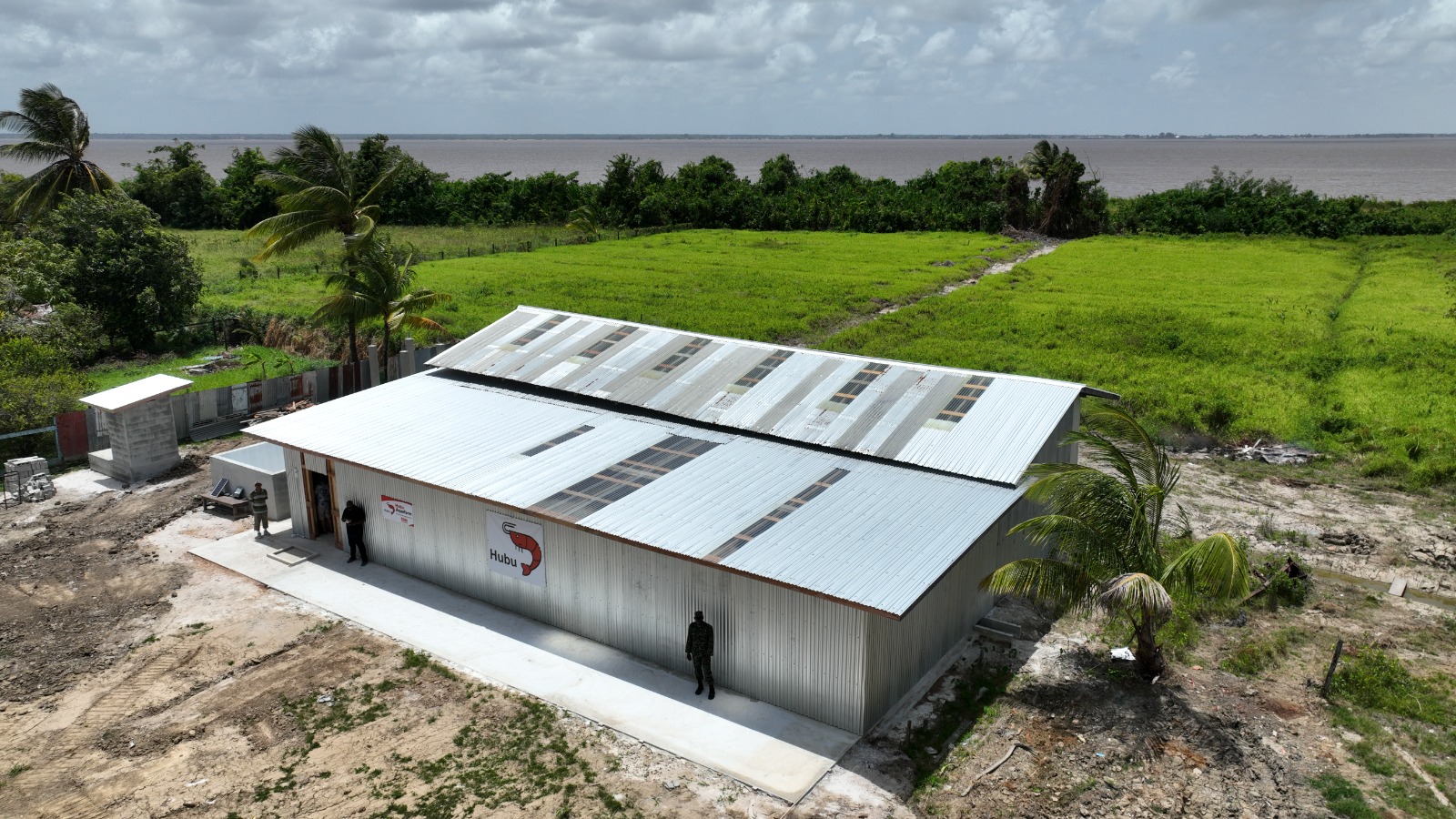
When the Indonesian Banglele team was in Guyana, we immediately designed a pattern and system for cultivating freshwater fish based on our field observations for two months in Guyana. Even though Indonesia and Guyana have different topography and climatic conditions, both are suitable for developing the cultivation of freshwater catfish, such as pangasius andClarias sp. The advantage of pangasius cultivation in Guyana is the abundant availability of water. Guyana, known as "The land of many waters," also has very open export market access to North America and Europe. Apart from Guyana, Suriname and French Guiana also have similar geographical conditions. Other Caribbean countries such as Trinidad and Tobago, Jamaica and Haiti also have great opportunities and potential together to develop pangasius cultivation.
Pangasius has become one of the world's most popular fish commodities, and Vietnam is a leader in the industry. Vietnam has leveraged its advantages in pangasius cultivation and processing to meet growing global demand. However, opportunities to develop pangasius cultivation are not limited to Vietnam alone. Guyana, Suriname and other Caribbean countries have great potential to become major players in this industry.
Pangasius cultivation in Guyana, Suriname and other Caribbean countries offers a number of very attractive advantages. First, the abundant availability of water in this region provides a strong basis for cultivating freshwater fish, especially pangasius. Guyana, nicknamed "The land of many waters," has many large rivers, swamps and lakes that stretch widely throughout its territory. These conditions create an ideal environment for cultivating pangasius fish, because sufficient water is available throughout the year, allowing for healthy fish growth. In addition, the abundance of water also Minimize the risk of water shortages which can disrupt fish production.
Second, the similarity of climatic conditions between Guyana, Suriname and other Caribbean countries is a determining factor in the success of pangasius cultivation. The tropical climate, which tends to be stable throughout the year, creates conditions that support the growth and health of pangasius fish. Relatively high and constant water temperatures, as well as the lack of extreme seasonal fluctuations, allow the fish to grow well. In addition, sufficient and evenly distributed rainfall throughout the region ensures adequate water availability for cultivation ponds. These similar climatic conditions between Guyana, Suriname and the Caribbean countries make it easy to adapt successful pangasius farming practices, making the region a very promising place for the fishing industry.

Guyana with its abundant water
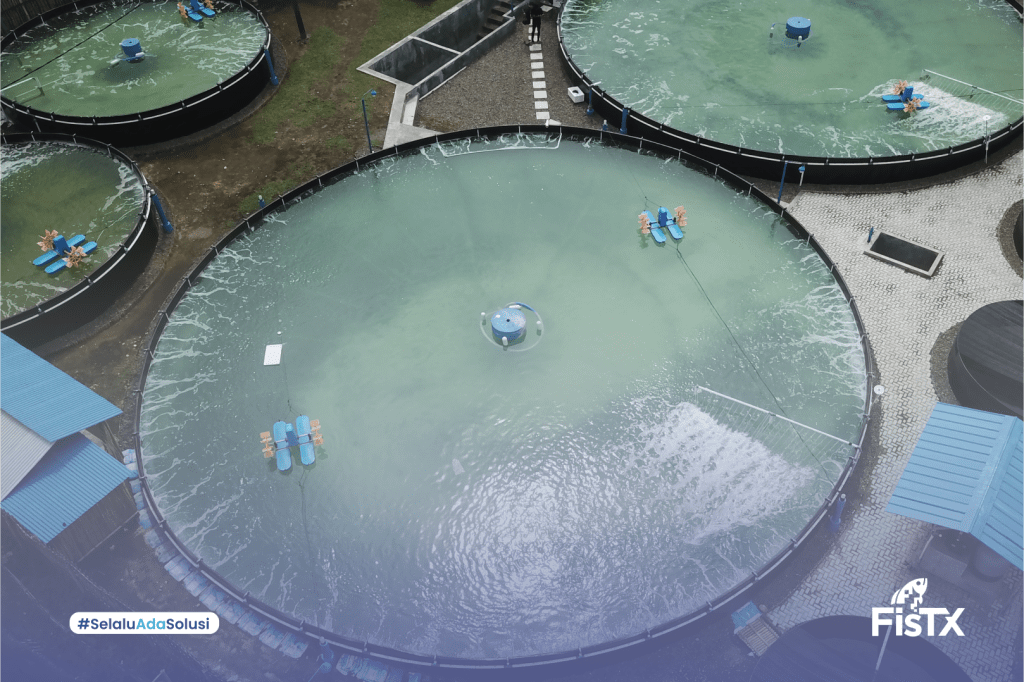
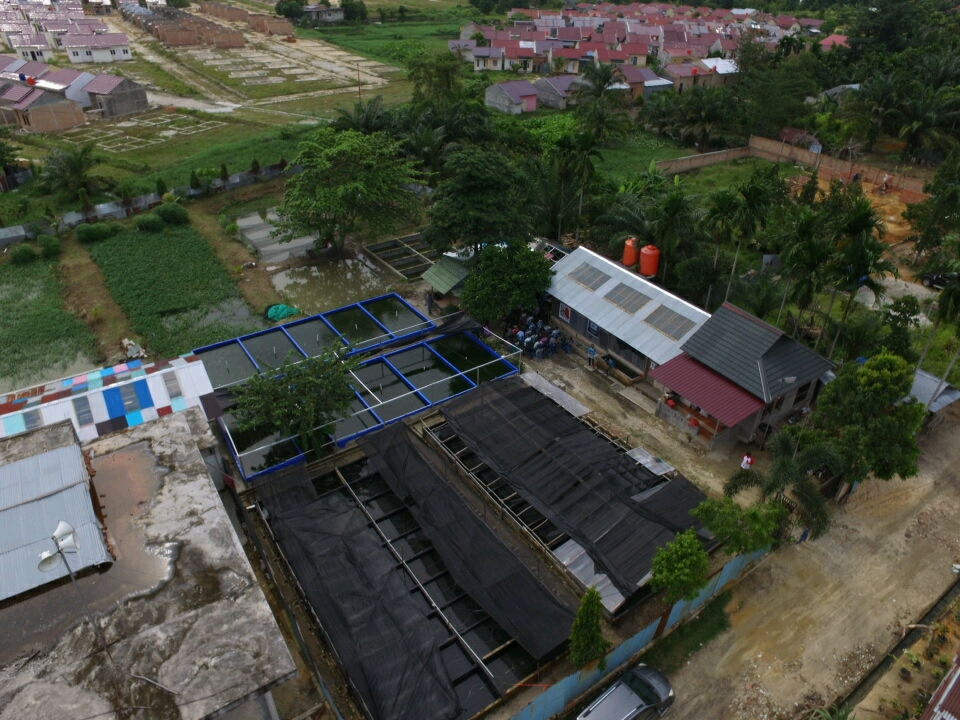
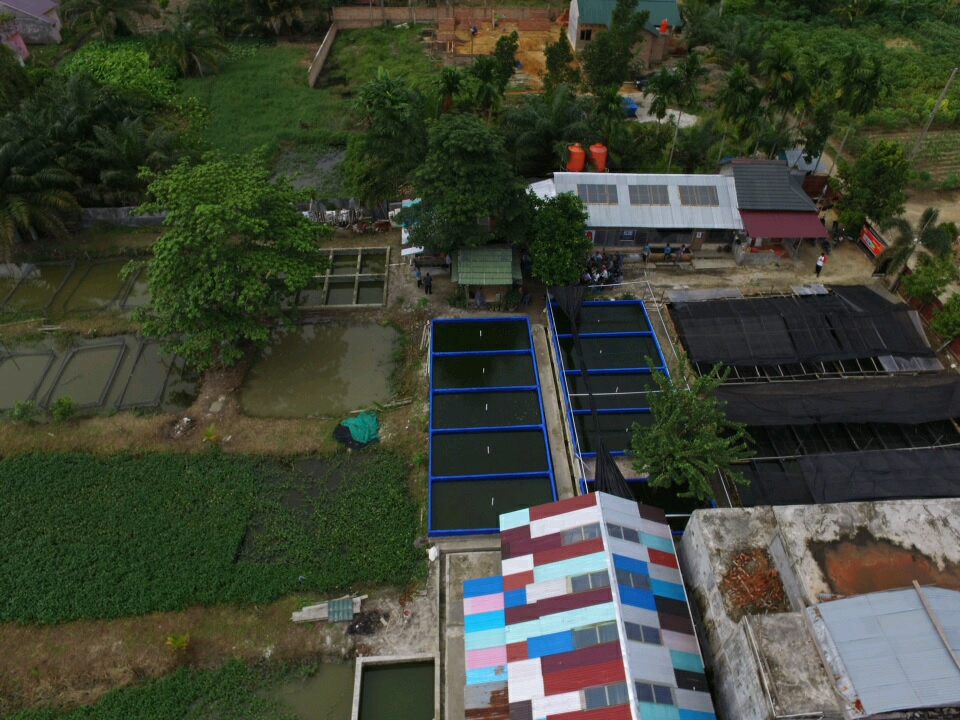
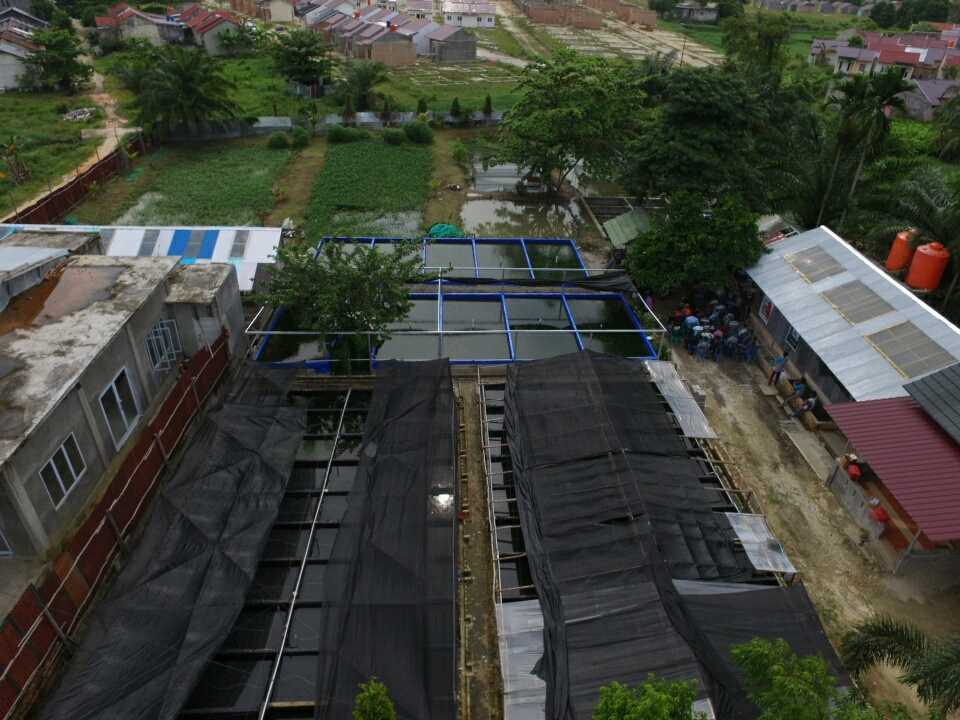
However, to achieve success in pangasius cultivation, the right approach and modern technology are needed. Banglele Indonesia has designed a system "Banglele Aquaculture Smart Farming (BASF)" which is the latest solution in pangasius cultivation. This system integrates digital technology and urban farming concepts to make it easier for fish farmers to manage their cultivation ponds.
The steps taken by Banglele Indonesia to promote and introduce the pangasius cultivation system using the BASF system is an important milestone in bringing innovation and convenience to the fishing industry. The BASF system is clear proof of how digital technology can make a major contribution to the development of fish farming. The system combines ease of use with advanced technology, creating a modern solution that matches current market trends and demands.
By focusing on the use of digital technology, BASF enables accurate and efficient monitoring of fish farming environments, thereby minimizing resource waste and increasing production yields. This approach is also very relevant for the millennial generation who are increasingly interested in getting involved in sustainable and promising fishing businesses.
Furthermore, the presence of the BASF system provides new opportunities for business actors in the fisheries sector, especially for those who are looking for opportunities in the promising food industry. With a more affordable and environmentally friendly business model, this system provides a strong incentive to enter the pangasius farming business. With the increasingly widespread use of technology, the BASF system also provides a platform that suits the millennial generation's preferences in entrepreneurship. Thus, the BASF system is an important milestone in opening up attractive business opportunities in pangasius farming, while supporting the sustainable growth and innovation of the fishing industry throughout the world.
The BASF system, which is designed to be similar to urban farming, is an innovative solution in pangasius cultivation. The big advantage of this system is its ability to be developed on a smaller scale, such as on a home or backyard scale, making it more affordable for capital owners who want to get involved in the fish farming business. Additionally, this approach also has a positive environmental impact, as small-scale operations reduce pressure on natural resources and create a more sustainable environment. The use of digital technology in the BASF system also allows better monitoring of the condition of cultivation ponds, which can reduce resource waste and negative impacts on the environment as a whole. This makes the BASF system a friendly solution for capital owners and also environmentally friendly in pangasius cultivation.
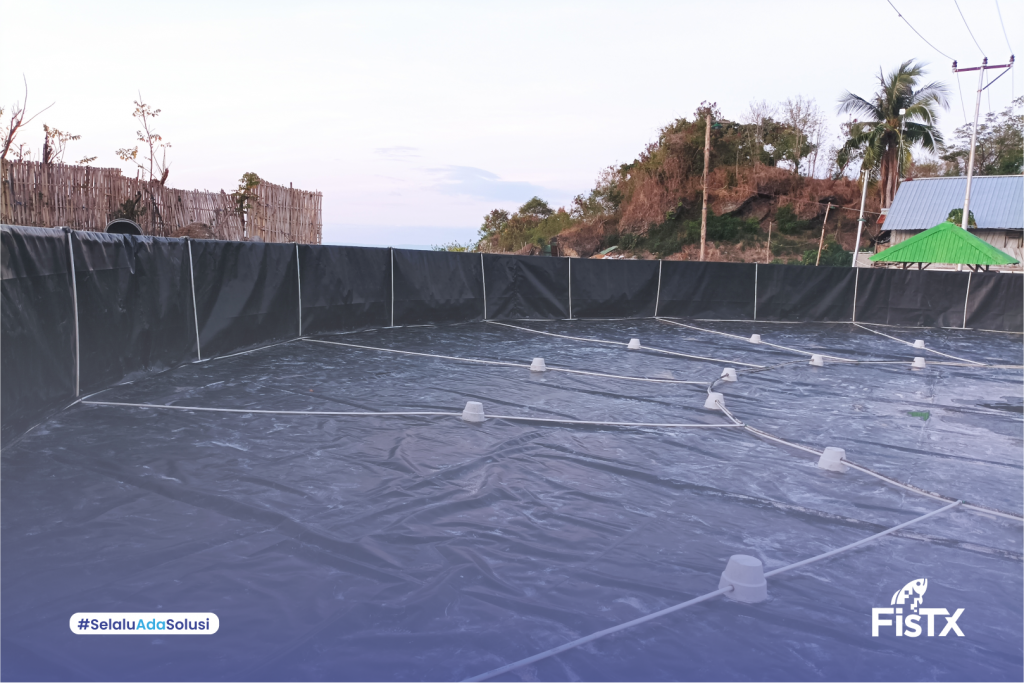
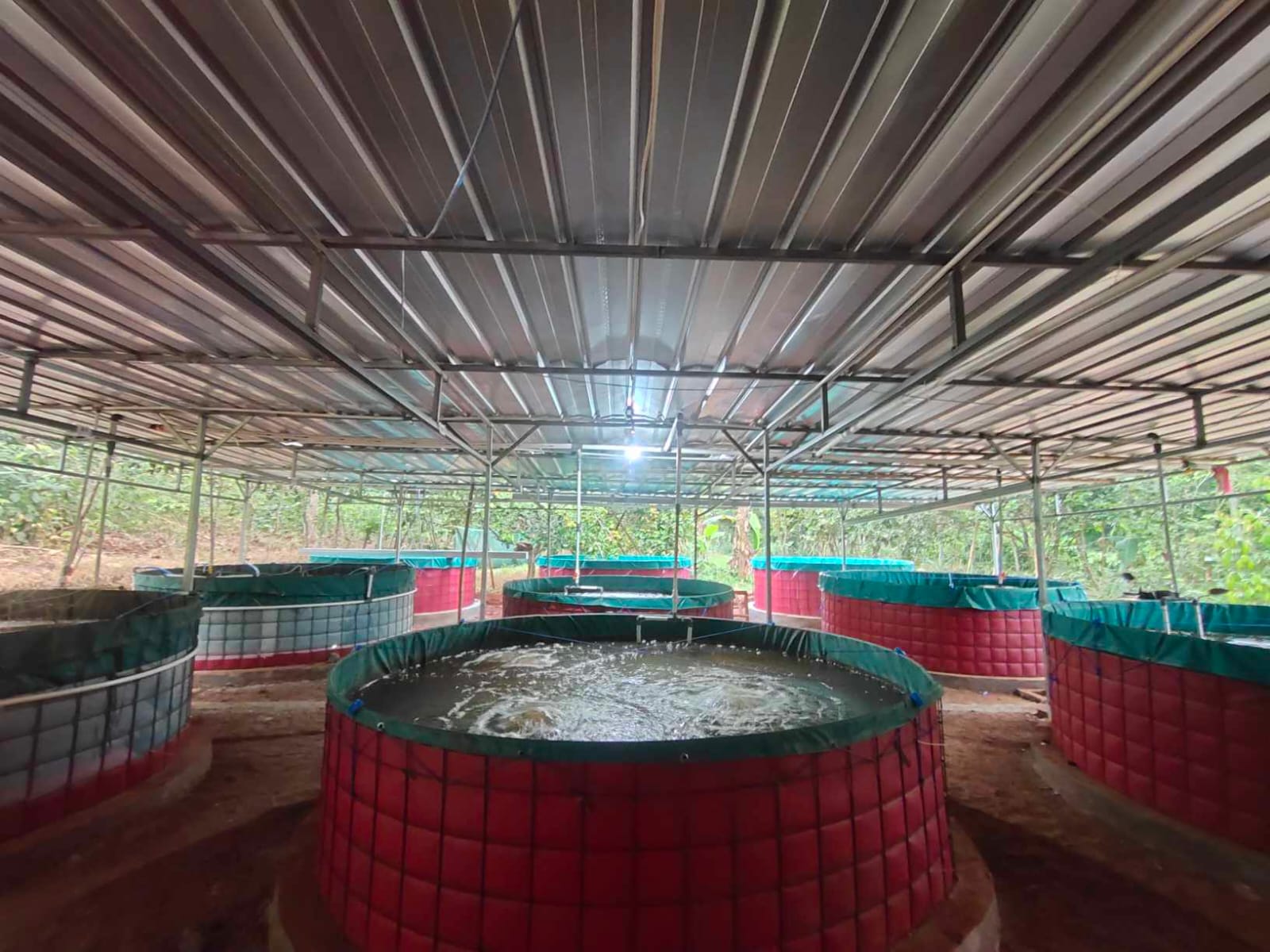
One of the main advantages of the BASF system is high production efficiency. By using a round pond with a diameter of three meters, farmers can produce at least 500 kg of pangasius at 1 kilogram per head for six months. These results exceed the production that can be achieved using traditional methods, and also produce higher quality pangasius meat. Pangasius meat produced using the BASF system has a savory taste, denser texture, and does not have an unpleasant odor. This high quality makes it easier to sell at a higher price in the market.
In addition to high production efficiency, BASF systems also have advantages in terms of sustainability and environmental friendliness. This system allows pangasius cultivation on a smaller scale, such as in the backyard, making it more environmentally friendly than large-scale operations that require large areas of land. In addition, the use of digital technology allows better monitoring and control of the condition of cultivation ponds, thereby reducing waste of resources and negative impacts on the environment.
This integrated approach with digital technology also makes pangasius cultivation more attractive to the millennial generation who are looking for sustainable business opportunities. With the BASF system, they can engage in fish farming with more affordable capital and with promising profit potential. This provides an attractive alternative in the ever-evolving food industry.

BASF design overview of Banglele Indonesia
The introduction of the BASF system in Guyana and Suriname is a very important step in the development of the pangasius farming industry in these regions. These two countries have great natural advantages with abundant water resources and favorable climatic conditions. The implementation of the BASF system will have a positive impact in terms of increasing productivity, efficiency and environmental sustainability in pangasius cultivation. With the help of the BASF system, Guyana and Suriname can maximize their potential in the pangasius farming industry and become major players at the global level.
Not only Guyana and Suriname, other Caribbean countries such as Trinidad and Tobago, Jamaica and Haiti also have the same opportunity to develop pangasius cultivation with a modern and sustainable approach. Similar geographical and climatic conditions create a very favorable environment for pangasius fish farming. The introduction of the BASF system in these countries could stimulate the growth of the fishing industry, create jobs and reduce dependence on fish imports.
Additionally, sustainable pangasius cultivation can provide a stable source of income for local communities, while reducing pressure on natural resources. With a strong commitment to implementing modern and sustainable technologies, Caribbean countries have great potential to become major players in the pangasius farming industry and support the sustainability of the fisheries sector throughout the region.
In an effort to promote and support the development of pangasius cultivation in Guyana, Suriname and other Caribbean countries, Banglele Indonesia will work closely with the government and local stakeholders. We will provide training and assistance to fish farmers who wish to adopt the BASF system. With strong support, we are confident that pangasius farming will become one of the fastest growing sectors in the region.