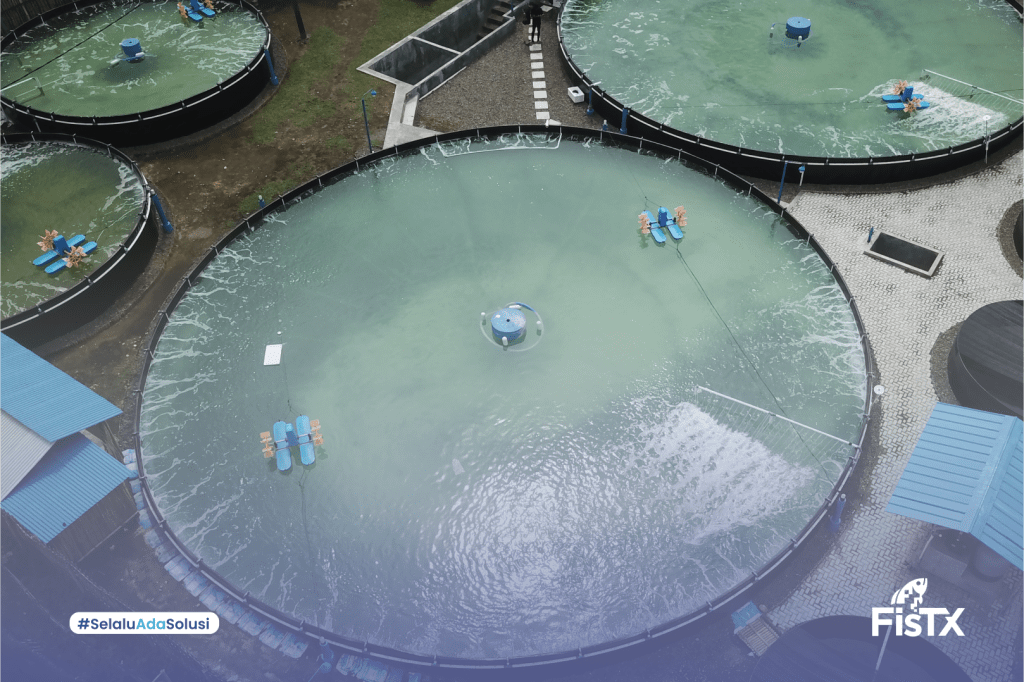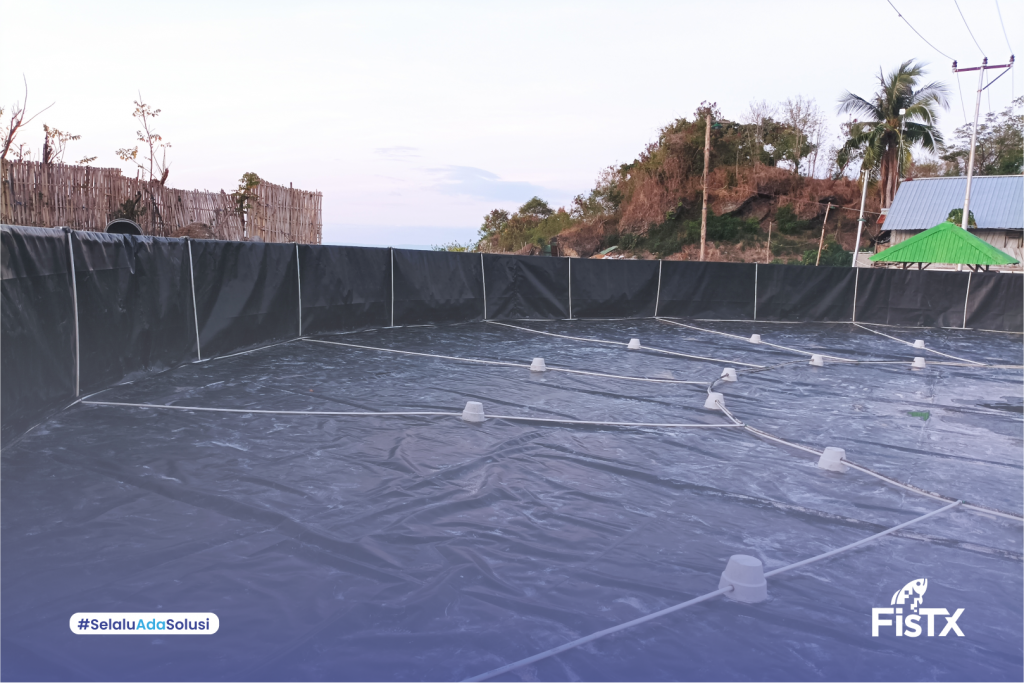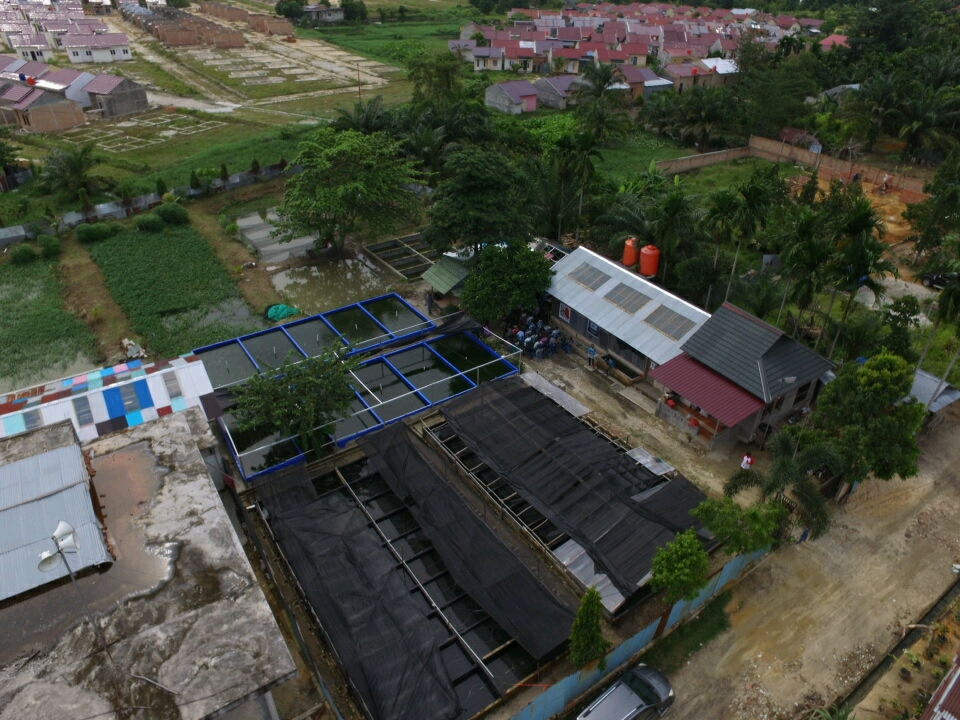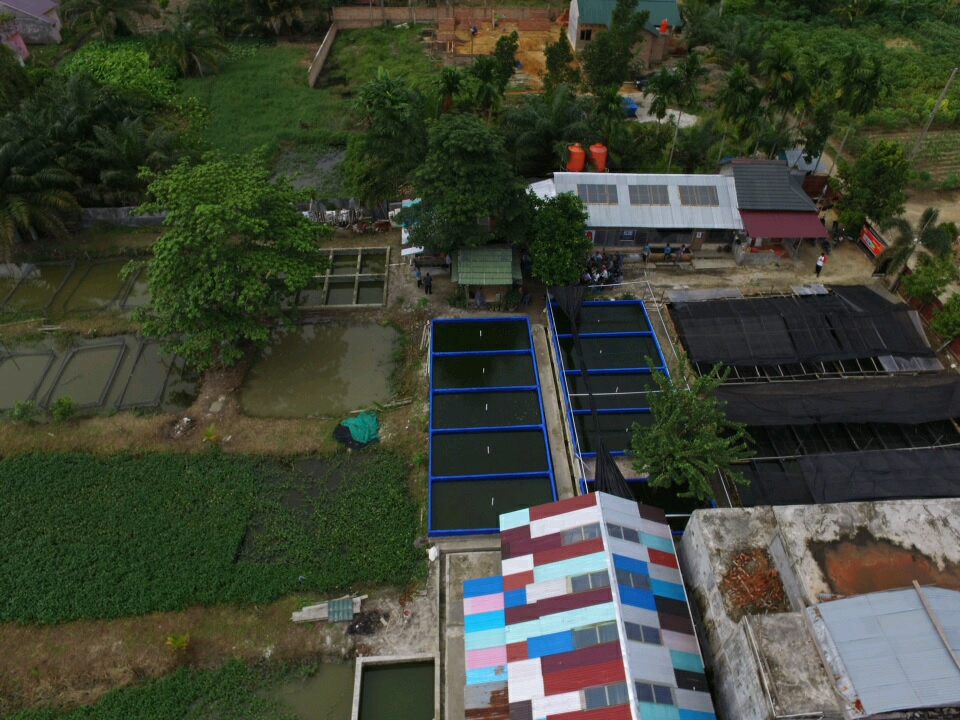
Indonesia, with its abundant marine natural resources, has various types of shrimp that have the potential to be cultivated. These abundant natural resources provide great opportunities for the country to develop the fisheries sector, especially shrimp cultivation. Several types of shrimp found in Indonesian waters have high economic value and have become leading export commodities that are in great demand on the international market.
Indonesia's great potential in shrimp cultivation cannot be separated from the diversity of shrimp types found in various areas of its waters. Each type of shrimp has its own unique characteristics that make it valuable in the global market. This article will examine in depth five types of shrimp that have great potential for cultivation, namely tiger shrimp, vannamei shrimp, jerbung shrimp, giant prawns, and dogol shrimp.
These five types of shrimp are not only superior in terms of taste and texture, but also in terms of economic value and ease of cultivation. Starting from tiger prawns, for example, which are known for their large size and chewy meat, vannamei shrimp are known for their resistance to more diverse environments. There are also jerbung prawns, popular for their attractive red color when cooked, so they have high demand in the global market and giant prawns with distinctive long claws, are easy to cultivate and have a high selling value. Apart from that, there are dogol shrimp which, even though they are medium in size, have thicker skin and are resistant to extreme environmental conditions. Let's take a closer look at the features and advantages of each type of shrimp in the following article:
1. Tiger prawns

Tiger prawns: CSIRO
Tiger prawns are a marine commodity with a fairly high selling value. Known scientifically as Penaeus monodon, this shrimp is usually found in the waters of Southeast Asia, South Asia, Australia and East Africa. This wide and varied habitat shows the adaptability of tiger prawns to various environmental conditions. Their large size is one of the main attractions, making tiger prawns very suitable for processing into various types of dishes, such as stir-fried prawns, grilled prawns, tempura, and even prawn curry.
The advantage of tiger prawns lies not only in their large size, but also in the taste and chewy texture of their meat. The chewy and sweet flesh of tiger prawns is highly appreciated by consumers, making them a top choice for restaurants and the food industry. Dishes made from tiger prawns are often considered a luxury dish and are a popular delicacy in various parts of the world. This superior meat quality provides significant added value for tiger prawns in the global market.
Apart from its delicious taste, tiger prawns also have good resistance to environmental changes. This high adaptability makes tiger prawns easy to cultivate in various regions. Shrimp farmers in various countries take advantage of this advantage to cultivate tiger prawns on a large scale. The relatively easy cultivation process and abundant harvests make tiger prawns a profitable commodity. With increasingly advanced cultivation technology, tiger prawn productivity can be increased, meeting ever-increasing market demand.
Apart from that, tiger prawns also have a fast growth cycle, which allows farmers to get harvests in a relatively short time. This rapid growth cycle helps cultivators manage time and resources more efficiently. With proper care, tiger prawns can grow well and produce high quality meat. This of course provides large economic benefits for farmers and a significant contribution to the economy of shrimp-producing countries. Several tiger prawn producing areas include the north coast of West Java Province such as Cirebon, Subang and Indramayu.
2. Vannamei shrimp

Vannamei shrimp: Banglele Indonesia
White leg shrimp, or white leg shrimp, are no less popular than tiger shrimp in the world of fisheries. Shrimp with scientific names Litopenaeus vannamei This product is known to have high economic value and is one of the main export commodities for many countries, including Indonesia. The popularity of vannamei shrimp continues to increase along with high international market demand. One of the factors that makes vannamei shrimp so popular is their ability to adapt to a variety of environmental conditions, making them a very flexible and profitable choice for shrimp farmers.
Compared to other types of shrimp, vannamei shrimp have better adaptability, allowing their cultivation to be carried out in various water conditions, both brackish and freshwater. This resilience makes vannamei shrimp easier to cultivate, even in less than ideal conditions. Shrimp farmers do not need to worry about drastic fluctuations in environmental conditions, because vannamei shrimp can survive and continue to grow well.
Apart from its environmental resistance, vannamei shrimp also have a soft and chewy meat texture when consumed. This tender meat texture is highly appreciated by consumers, making it a favorite in the global seafood market. Vannamei shrimp are often used in various dishes, from Asian dishes such as sushi and sashimi to Western dishes such as pasta and salads.
Many shrimp farmers choose to cultivate vannamei shrimp because they are relatively easy to care for and the harvest is abundant. The process of cultivating vannamei shrimp does not require too complicated technology, so cultivators can do it with various levels of experience. In addition, vannamei shrimp have a fast growth cycle, allowing farmers to get harvests in a shorter time compared to other types of shrimp. Several areas producing white shrimp include South Lampung, Cirebon, Situbondo, Jembrana and Lombok.
3. Jerbung shrimp

Udang jerbung: Mongabay Indonesia
Maybe the name jerbung shrimp sounds foreign to some people, especially those who are not involved in the world of fishing. However, on the world market, demand for jerbung shrimp is quite high. Shrimp with scientific names Metapenaeus brevicornis has its own charm that makes it popular among global consumers. One of the main reasons for their popularity is that the color of jerbung shrimp tends to become redder when cooked, making them look more attractive on a serving plate. This appetizing appearance is an added value, especially for the culinary industry which is always looking for quality ingredients with strong visual appeal.
Another advantage of jerbung shrimp is the sweet taste of its meat and its chewy texture. The natural sweet taste in jerbung shrimp meat makes it a raw ingredient for various dishes, from traditional to modern cuisine. Dishes such as grilled shrimp, shrimp with oyster sauce, and shrimp pasta often use jerbung shrimp to add flavor.
The great potential of jerbung shrimp as an export commodity is not only limited to its taste and appearance. This shrimp also has a fast growth cycle and is relatively easy to cultivate. With the right cultivation techniques, jerbung shrimp can grow well in various environmental conditions, both in traditional ponds and modern cultivation systems. This ease of cultivation makes jerbung shrimp a good alternative choice for shrimp farmers besides tiger shrimp and vannamei shrimp.
Shrimp farmers in Indonesia are starting to look at jerbung shrimp as a commodity that can increase their income. In recent years, more and more cultivators have switched to shrimp farming, considering the increasing market demand and competitive selling prices. Apart from that, cultivating jerbung shrimp also provides ecological benefits. This shrimp can be cultivated using more environmentally friendly methods, reducing the negative impact on aquatic ecosystems. Some areas producing jerbung shrimp include Jepara, Cilacap, Bengkulu, South Sulawesi and East Lampung.
4. Giant prawn

Giant prawn: Citron
Giant prawns are a type of shrimp that have high economic value and are very easy to cultivate. This shrimp is known by its scientific name Macrobrachium rosenbergii. The existence of giant prawns in fresh waters makes them unique compared to many other types of prawns which generally live in salt or brackish water. One of the distinctive characteristics of giant prawns is the presence of long claws that resemble poles, which is why this shrimp is called giant prawns. These long claws are not only a physical marker, but also provide a distinctive visual appeal.
Physically, giant prawns are larger than other types of shrimp, such as vannamei shrimp or jerbung shrimp. Their larger size provides advantages for shrimp farmers. With their larger size, giant prawns are able to provide more abundant harvests in terms of volume and weight. This makes giant prawns the main choice for cultivators who want to get optimal and profitable harvest results. Apart from that, giant prawns have a fast growth cycle, so farmers can enjoy the harvest in a relatively short time.
The ease of cultivating giant prawns is also an important factor that makes them popular among cultivators. Giant prawns can be cultivated in cages or ponds with relatively simple technology. The care process is not too complicated and the nutritional needs that can be met easily make cultivating giant prawns a practical and efficient choice. Farmers only need to ensure sufficient water and feed quality to support optimal growth of giant prawns. Some areas producing giant prawns include Riau, Jambi, West Kalimantan, South Sumatra and East Java.
5. Dogol shrimp
The last type of shrimp that is popular in Indonesia is dogol shrimp (pink shrimp). Shrimp with scientific names Metapenaeus monoceros This has its own uniqueness that makes it quite popular in the market. Market demand for dogol shrimp is quite high, making it a high-value fishery commodity that is worthy of development. Dogol shrimp are known to have unique physical characteristics, namely their size is not too big but also not too small, making them suitable for various types of dishes.
The uniqueness of Dogol shrimp lies not only in its medium size, but also in its thicker skin and rougher texture compared to other types of shrimp. This thicker skin gives dogol shrimp a distinct advantage in terms of resistance to extreme environmental conditions. This shrimp is able to survive in various water conditions, both in terms of temperature and water quality. This resistance makes dogol shrimp easier for shrimp farmers to cultivate, especially in areas where environmental conditions are not always ideal.

Dogol shrimp: Chan T. Y. & Lin C. W. (MNHN - Paris)
Apart from its physical resilience, dogol shrimp also have high economic value due to increasing market demand. Consumers love dogol shrimp because of its chewy and delicious meat, as well as its versatile size for various types of dishes. Dogol shrimp are often used in local dishes such as fried shrimp, shrimp soup, and international dishes such as shrimp pasta and seafood salad.
Many shrimp farmers are considering dogol shrimp as an alternative to diversify their cultivation commodities. This diversification is important to reduce the risk of crop failure and maintain the stability of cultivator income. By cultivating various types of shrimp, farmers can take advantage of the advantages of each type of shrimp to meet various market demands. Dogol shrimp, with their high resistance and relatively easy care, are an ideal choice for diversification. Some areas producing dogol shrimp include Central Java, Lampung and South Sumatra.