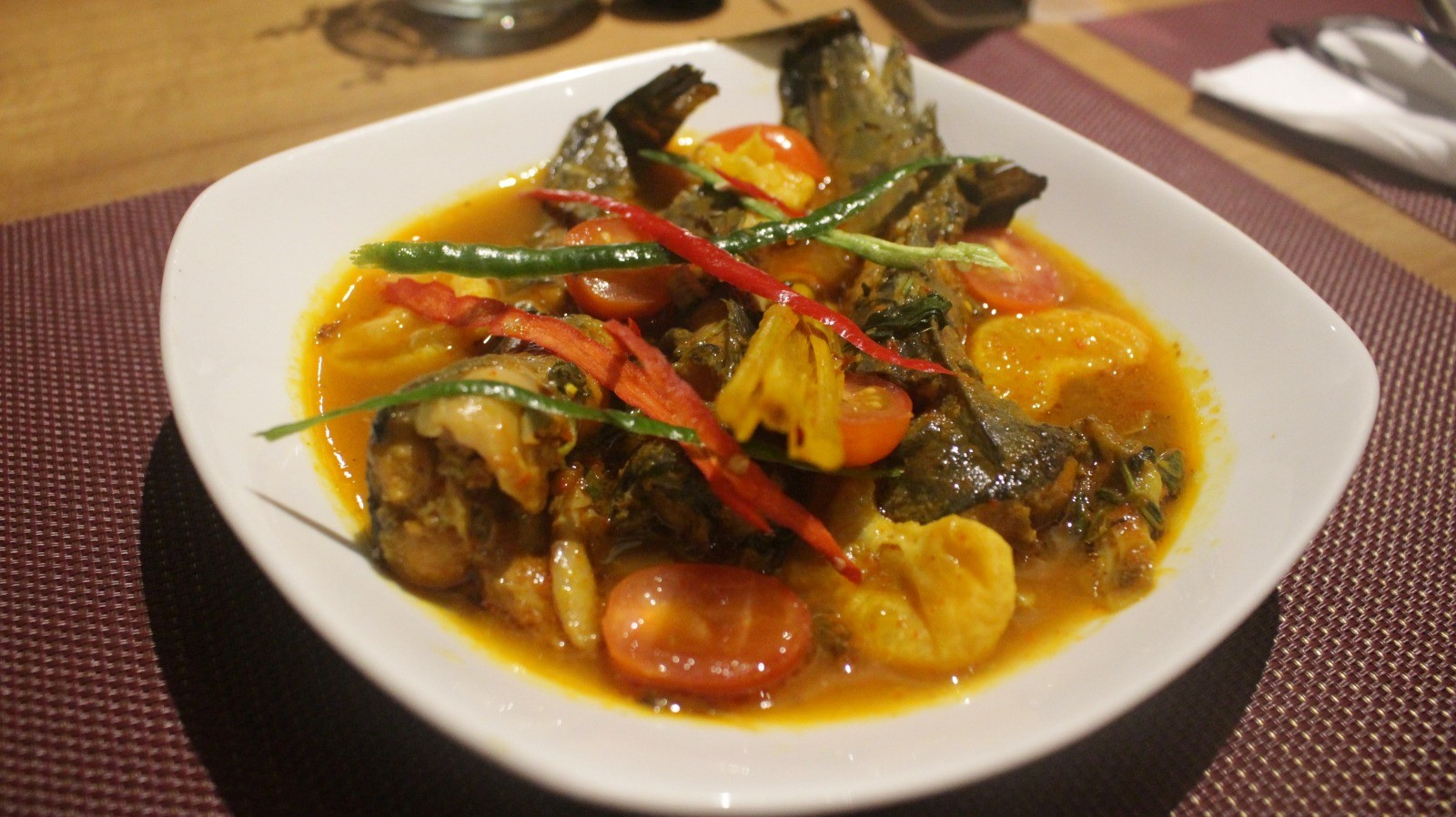

Indonesia, as a country with extraordinary cultural and culinary riches, is known for its variety of delicious dishes. One dish that is popular, especially among Indonesian people, is “Mangut Lele”.
Fried or smoked catfish with mangut sauce, which is made from coconut milk and various spices, makes this dish a favorite choice. Mangut lele comes from Central Java and Yogyakarta, and was originally a special dish served to kings in the palace. However, as time went by, Sri Sultan Hamengkuwobono VII shared this mangut lele recipe with the public so that everyone could enjoy this delicious dish.
History of catching catfish
Mangut lele is a traditional dish that has deep historical roots in the Central Java and Yogyakarta regions, Indonesia. This dish not only serves as a delicious dish but also has important historical value in Javanese culinary culture.
The history of catfish mangut can be traced back to the time of the kingdoms in Central Java and Yogyakarta. In the beginning, this dish was served as a special dish reserved for kings and royal families in the palace. This dish reflects the luxury and richness of the ingredients and spices used. Mangut lele became one of the favorite dishes among the kingdom because of its unique rich and delicious taste.
However, at the same time the general public did not have access to this dish because it was considered a special dish reserved only for the nobility. All that changed during the reign of Sri Sultan Hamengkuwobono VII, one of the leaders known as Indonesia's National Hero. Sri Sultan Hamengkuwobono VII was the party who decided to share this catfish mangut recipe with the wider community.
This decision is an important step in expanding the general public's access to meals that were previously only reserved for the royal family. This also reflects the spirit of simplicity and the desire to share the wealth of Javanese culture and cuisine to the whole community. The decision popularized this dish and made it one of the popular dishes among Indonesians.
Since then, mangut lele has become an integral part of Indonesia's culinary heritage. This dish has spread throughout Indonesia and is often served in traditional restaurants, food stalls, and even households. The recipe has been passed down from generation to generation, and many Indonesians have fond memories associated with this dish.
Mangut lele is a beautiful example of how food not only fulfills nutritional needs, but also has a role in building culture, bonding communities, and expressing historical values. This is a reflection of Indonesia's culinary diversity and how culinary culture can be an inseparable part of the history and identity of a region.
Over time, mangut lele has not only become a special dish that tantalizes the taste buds in Indonesian homes, but has also become an attraction for tourists who want to taste Indonesia's culinary riches. This is one dish that is worth trying if you are planning to visit Central Java or Yogyakarta, where this dish originates.

Jl. Malioboro, an icon of Yogyakarta which is the place of origin of the mangut catfish dish
Mangut lele is not only about delicious taste, but also contains deep historical and cultural meaning. It is a fascinating example of how food can become an integral part of a community's life and identity.
Mangut lele also has deep historical meaning for Javanese people. These dishes reflect the cultural diversity and rich culinary heritage of the area. By using coconut milk and special spices, mangut lele presents a distinctive and delicious taste that is hard to forget.
Even though it's not as popular as gudeg, if you're planning a trip to Yogyakarta, there's no harm in trying this mangut lele dish. Even if you can't travel to Yogyakarta, you can also try making this catfish mangut at home. The manufacturing process is relatively easy, and the ingredients are available at the nearest supermarket or market.
Here is a catfish mangut recipe that you can try at home!
Ingredients;
Main ingredients:
- 4 catfish, split into two parts.
- 500 ml coconut milk.
- 1 tempeh board.
- 1 basil leaf.
- 2 tbsp lime juice.
- 2 large red chilies.
- 2 large green chilies.
- 1 tbsp salt.
- 2 bay leaves.
- 3 lime leaves, remove the bones.
- 2 cm galangal, bruised.
- 1 stalk lemongrass, bruised.
- 1 tsp brown sugar.
- Frying oil.
Ground spices:
- 3 cloves of garlic.
- 6 shallots.
- 4 candlenut leaves.
- ½ tsp coriander.
- 1 cm galangal.
- 1 cm ginger.
Step 1: make ground spices
The first step in the process of making catfish mangut is preparing the ground spices which will give this dish a special, distinctive taste. You will need a blender to perform this task efficiently. The spices that will be used to make this fine paste include garlic, shallots, candlenut leaves, coriander, galangal and ginger.
First of all, prepare all the ingredients carefully. Peel the garlic and shallots, and chop them so they are easier to process in the blender. Candlenut, coriander, galangal and ginger leaves must also be prepared carefully, making sure they are fresh and clean.
Next, place all the prepared ingredients into the blender. Make sure you put them in the blender in the right amount according to the recipe. Once all the ingredients are in the blender, start the grinding process. Turn on the blender to the appropriate setting and process until all the spices are mixed and become a smooth paste.
At this stage, you will notice that the spice paste will have a smooth texture and bright color, depending on the type of ingredients used. More importantly, this paste will have a distinctive fragrant aroma from garlic, shallots and other spices, which will provide a characteristic taste to the mangut lele dish.
Once the ground spices are ready, you can set them aside for a moment to be used at the next stage in the process of cooking mangut lele. This fine spice paste will be an important element in creating a rich and aromatic gravy for your dishes. With this stage complete, you are ready to continue your delicious mangut lele cooking adventure.
Step 2: processing catfish
The next step in the process of making catfish mangut is processing the catfish. To start, prepare a container that is large enough to accommodate the catfish that will be processed. Then, place the catfish that has been prepared previously into the container. To eliminate the fishy smell that may be present in the catfish and give it a better fresh taste when cooked later, add lime juice and half a teaspoon of salt to the catfish. Stir well so that the lime juice and salt are evenly distributed over all parts of the catfish. Let the catfish soak in this mixture for about 15 minutes. This soaking process will help give the catfish a fresher and more refreshing taste, as well as reduce the fishy taste that is sometimes attached to freshwater fish.
Next, continue with the process of frying the soaked catfish. Heat cooking oil in a frying pan over medium heat until the oil is hot enough to fry well. Once the oil is hot enough, add the catfish pieces to the pan. It's important to make sure that you don't fry it for too long, as our goal is to create perfectly cooked catfish without making it too dry.
Fry the catfish carefully, making sure both sides of the catfish are golden and crispy on the outside. This process shouldn't take too long, about 3-4 minutes per side, depending on the thickness of the catfish pieces. Once the catfish is perfectly cooked and the skin turns crispy, remove the catfish from the hot oil. To remove excess oil, place the fried catfish on a paper towel or paper-lined rack.
The result is pieces of catfish that have a crunchy texture on the outside and soft, tender meat on the inside. This process will help maintain the tenderness of the fish while providing an appetizing textural contrast when the catfish is served in rich mangut sauce. With this step complete, you are ready to move on to the next step in the process of cooking delicious mangut lele.
Step 3: sauté ground spices
After processing the catfish, the next step is to sauté the ground spices. Prepare a clean frying pan and heat enough oil for frying. When the oil is hot enough, add the ground spices that you ground previously. Apart from the ground spices, also add the large red chilies and large green chilies that you have prepared previously. Then, add bay leaves, lime leaves, bruised galangal, pieces of tempeh, and lemongrass that you bruised previously. Saute all these ingredients over medium heat until they emit a fragrant aroma and the spices are cooked well.
The stir-frying process is important because it will develop the taste and aroma of the spices that will fill the mangut lele sauce. Red and green chilies will give the dish a characteristic hint of spiciness. Bay leaves and lime leaves will provide a touch of fresh aroma, while galangal and lemongrass will provide a deep complexity of taste. The added tempeh will also provide a delicious savory texture.
Make sure to keep stirring the spices and ingredients so they don't burn and they cook evenly. This process will take a few minutes, but the end result will make your mangut lele sauce richer and more delicious. Once the ground spices and other ingredients are cooked and fragrant, you are ready to proceed to the next step in the process of cooking mangut lele.
Step 4: final process
Once the spices are cooked and fragrant, continue by pouring the coconut milk into the pan containing the spices and ingredients. Next, add half a tablespoon of salt and brown sugar to the coconut milk. Stir slowly and evenly so that the coconut milk doesn't clump and the spices are mixed well. Then, add basil leaves to give a fresh aroma to the mangut lele dish.
When the mangut sauce starts to boil, add the previously fried catfish to the pan. Make sure the catfish soaks up the coconut milk sauce well. Let everything cook together until the catfish is cooked and tender, and the spices are absorbed into the catfish meat perfectly. This process will take approximately 10-15 minutes.
The end result will be a delicious mangut catfish dish with rich coconut milk sauce and the fresh aroma of basil leaves. You are now ready to serve this dish to the dining table and enjoy authentic Indonesian flavors in your own home. Enjoy delicious mangut catfish dishes with your family and friends!

Delicious catfish mangut is ready to be served
Mangut lele is a traditional Indonesian dish that is rich in flavor and historic. This dish combines the richness of spices with the tenderness of fried catfish, all brought together in a delicious coconut milk sauce. By following the recipe above, you can try cooking your own mangut lele at home and enjoy authentic Indonesian flavors without having to go far. Good luck, and enjoy this delicious dish with your family and friends!