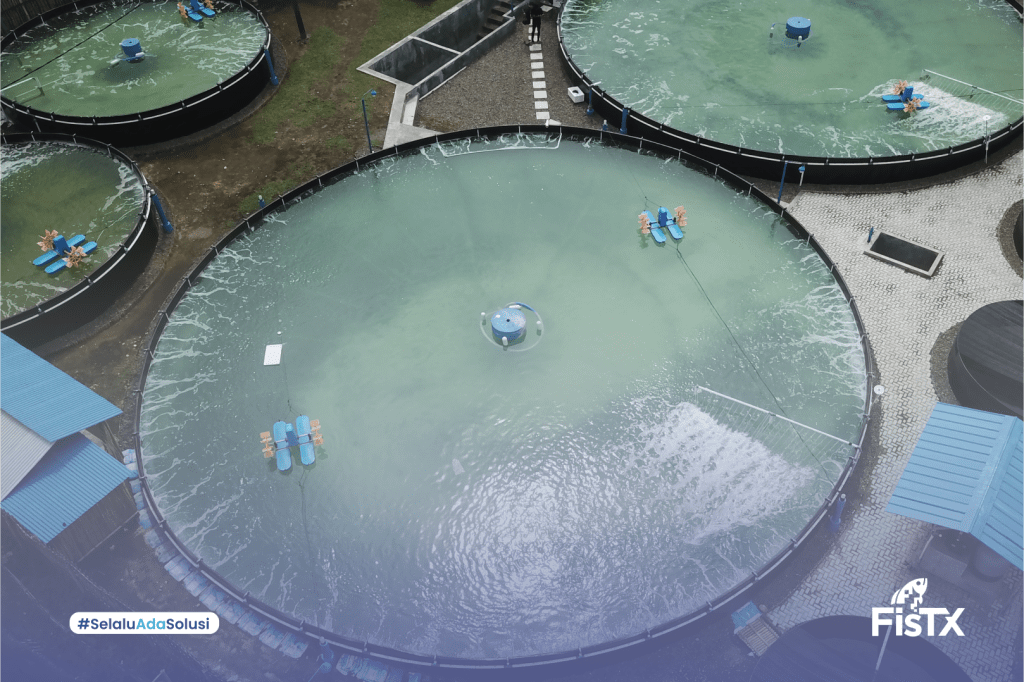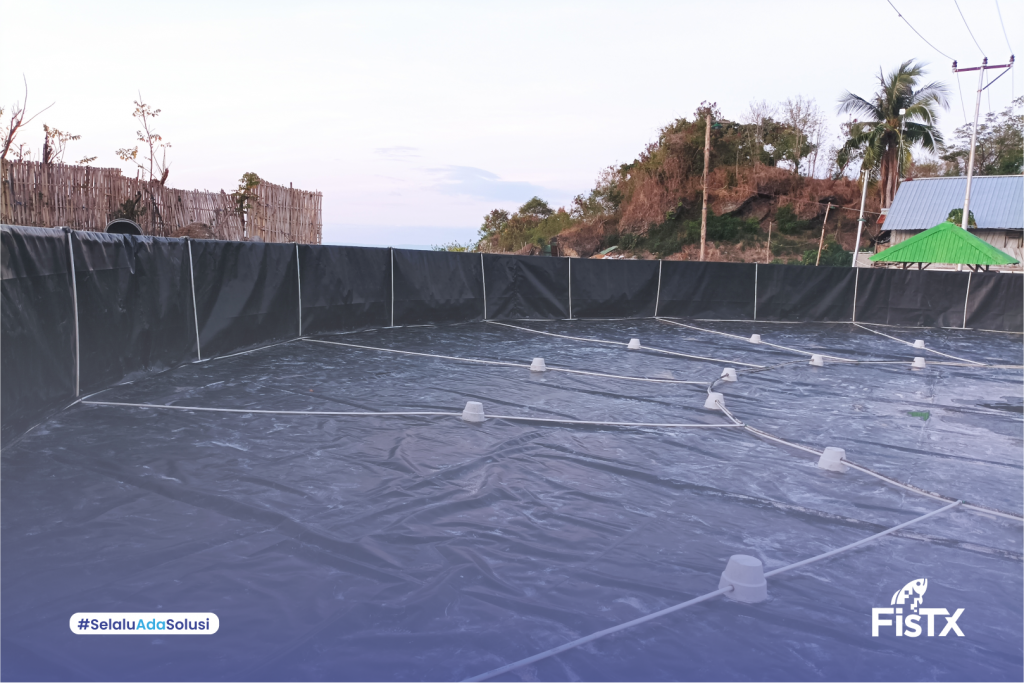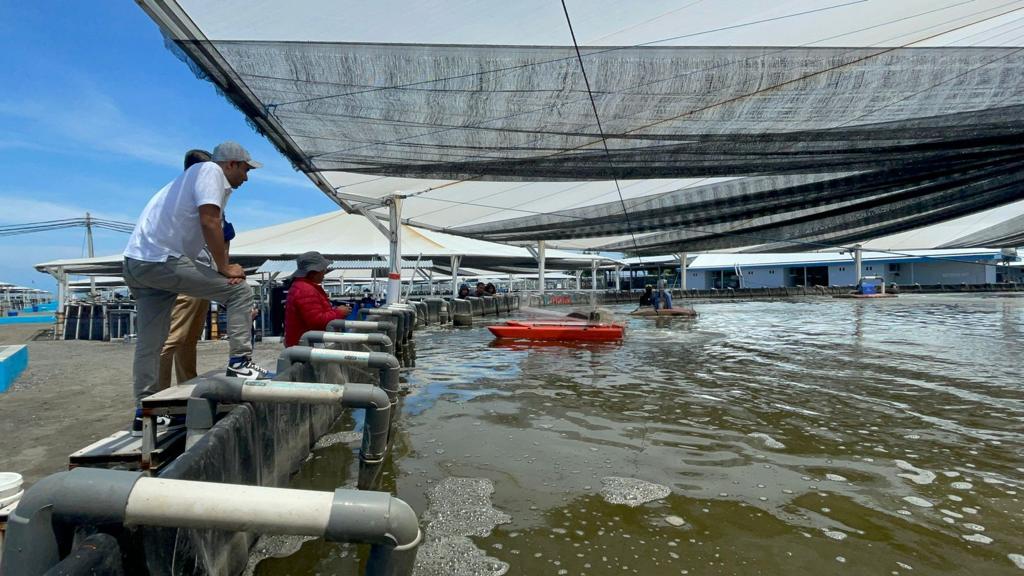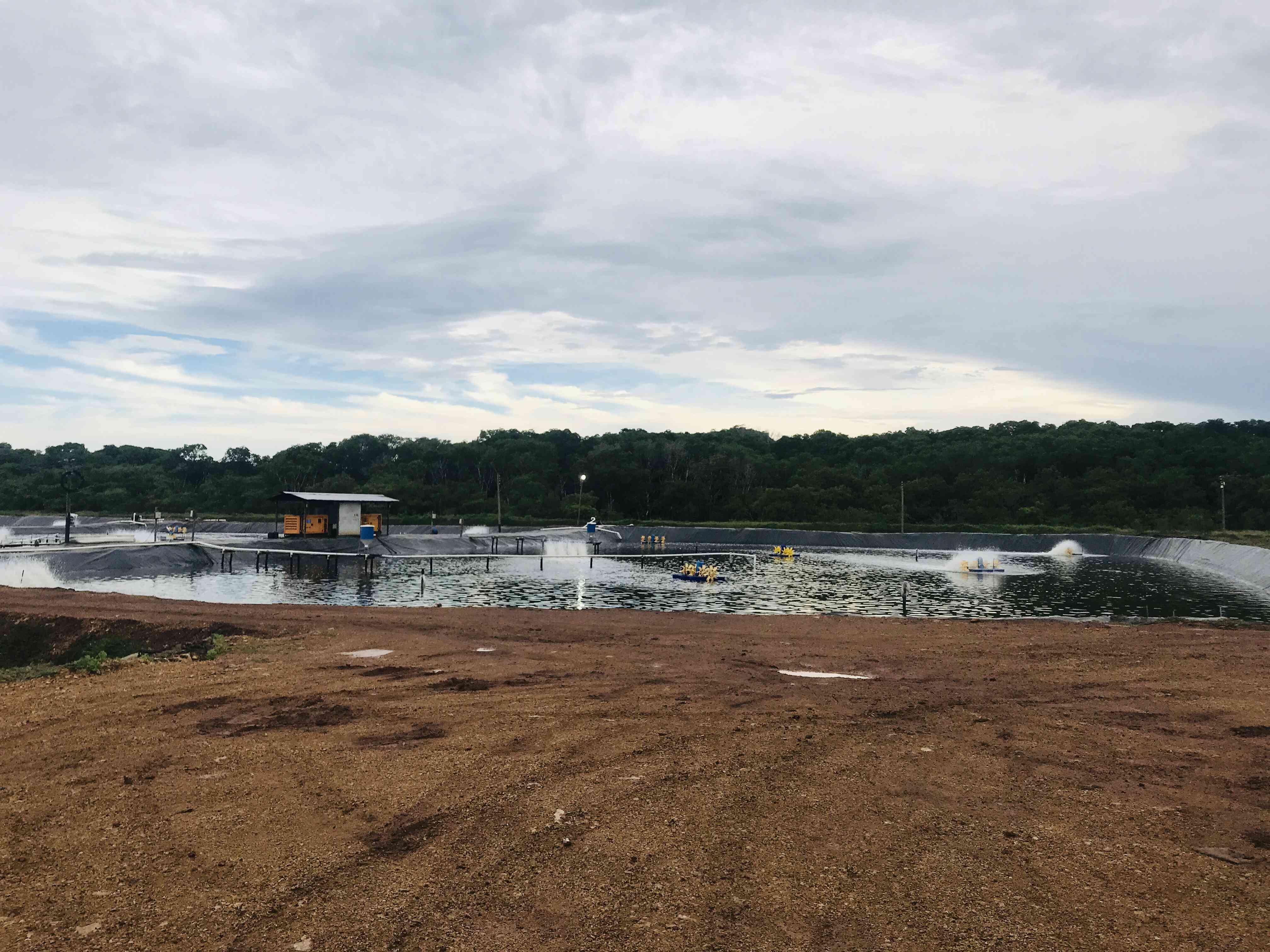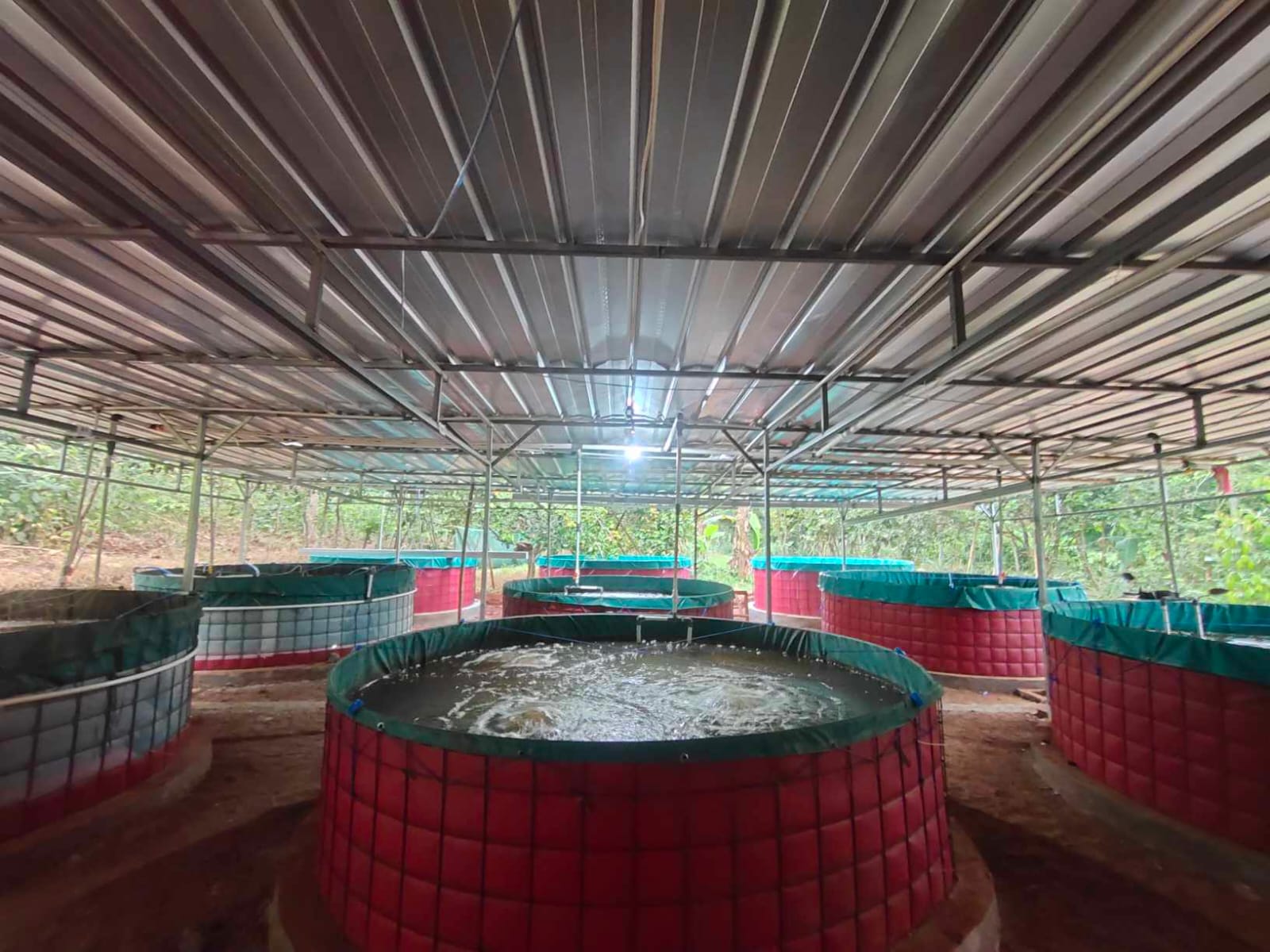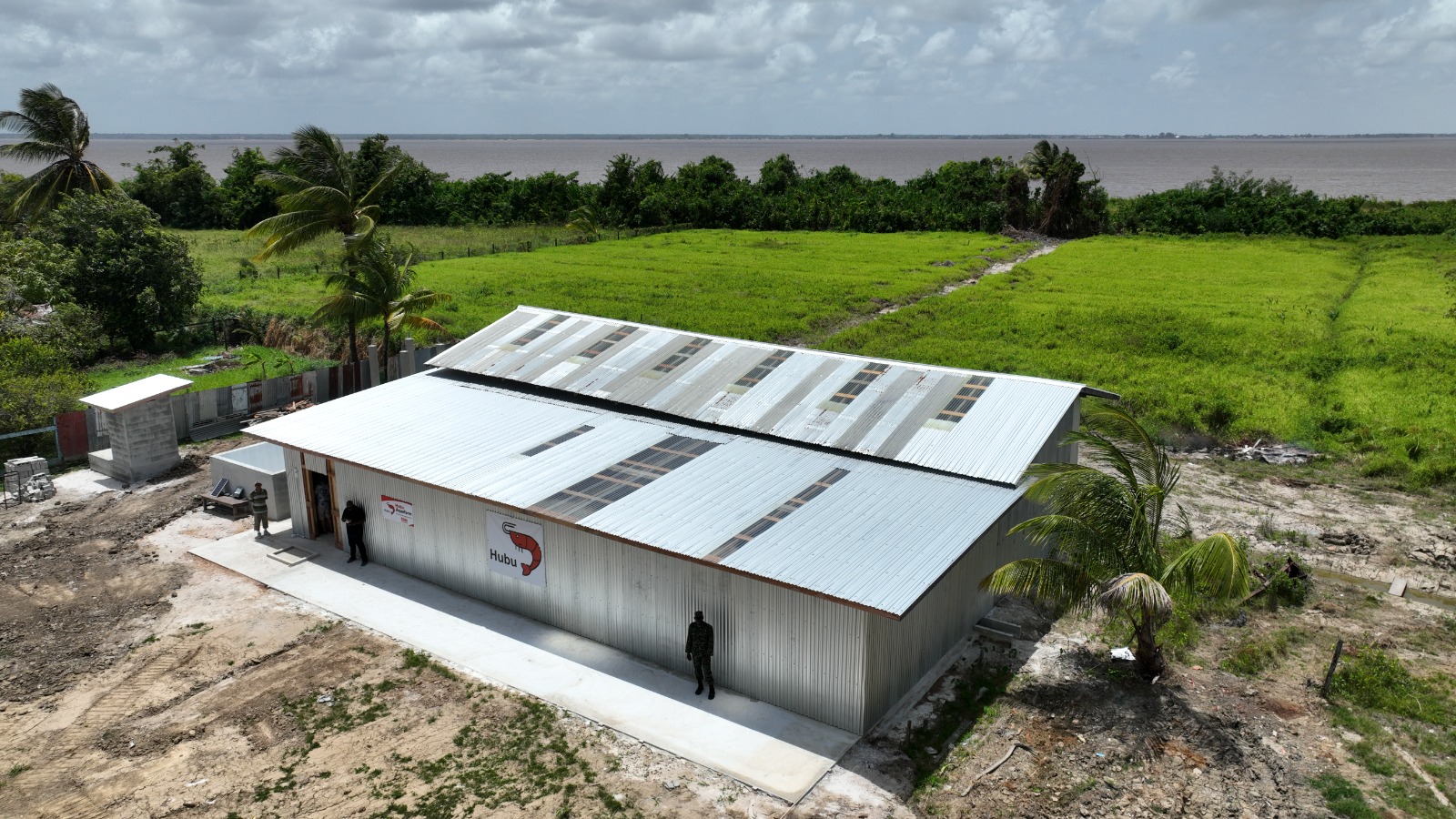

Groupe Action, a private company based in Madagascar, is exploring a strategic partnership with Indonesia to advance the aquaculture sector. This initiative is supported by Banglele Indonesia, a fisheries consultancy firm. Situated in the Brickaville District, Antsinanana Province, on Madagascar’s eastern coast, Groupe Action has prepared extensive facilities to support a large-scale freshwater fish farming project. These preparations include a 40-hectare plot of land and a 10-hectare river concession with potential for further expansion.
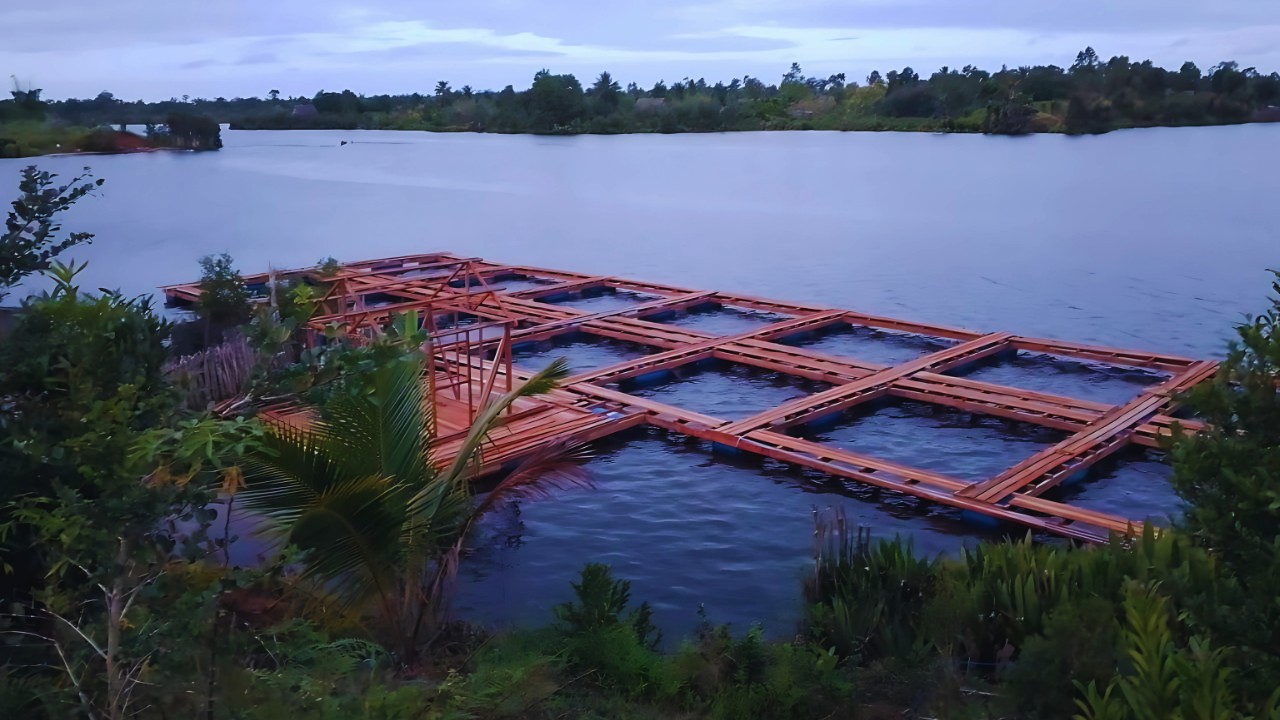
In addition, the company has established comprehensive supporting infrastructure, including 40 prefabricated housing units, 4 kilometers of floating net cages, and aquatic transport equipment such as mobile fish ponds to streamline fish relocation. These state-of-the-art facilities reflect Groupe Action’s commitment to developing a globally competitive aquaculture hub while creating economic benefits for local communities.
This infrastructure has been carefully designed to support aquaculture development over the next year. The project aligns with Groupe Action’s mission to enhance local livelihoods and increase Madagascar’s per capita fish consumption. Operating under the slogan, “More than just a company, we carry a bold vision and a relentless drive for innovation,” Groupe Action is dedicated to fostering sustainable aquaculture through innovative technologies and approaches.
Aquaculture development: freshwater fish farming for export markets
Groupe Action has initiated a tilapia farming project on a modest scale as the first step in its ambitious plan to establish a comprehensive fish farming hub in Madagascar. With plans to collaborate with Banglele Indonesia, the company is committed to expanding its operations to include other commercially valuable freshwater species such as carp, catfish, and African sharptooth catfish (Clarias gariepinus). This expansion aims to maximize the use of prepared land and establish a fisheries production center capable of meeting demand in both domestic and international markets.
Groupe Action’s vision is to create a commercial aquaculture hub that not only generates economic profits but also delivers positive social impacts for local communities. The establishment of this center is expected to create new employment opportunities, thereby enhancing the welfare of nearby residents. Through an inclusive approach, the company aspires to ensure that the aquaculture sector delivers dual benefits: improving living standards and empowering the local economy around the farming site.
In addition to targeting export markets, Madagascar’s domestic market presents a significant opportunity for Groupe Action’s aquaculture products. The Malagasy government is actively promoting increased domestic fish consumption as part of its blue economy program to enhance community protein intake. Fish, as a high-quality protein source, is anticipated to become a healthier and more affordable dietary choice for local populations.
Challenges in local fish feed availability
During discussions with Groupe Action, Mr. Barkah Tri Basuki (41), a representative of Banglele Indonesia, highlighted a critical challenge facing Madagascar’s aquaculture sector: the absence of domestic fish feed production facilities. Currently, Madagascar’s aquaculture industry relies heavily on imported feed, significantly increasing production costs and reducing the competitiveness of local fish products. This dependency not only hinders industry growth but also complicates farmers’ efforts to maintain stable supplies and the consistent quality of feed necessary for aquaculture.

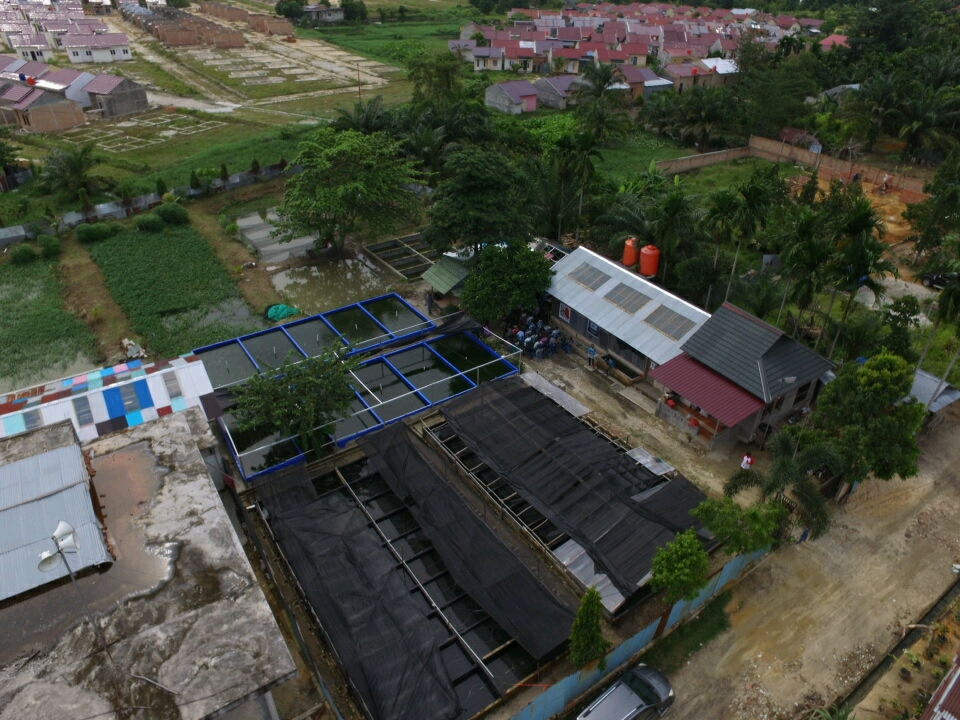
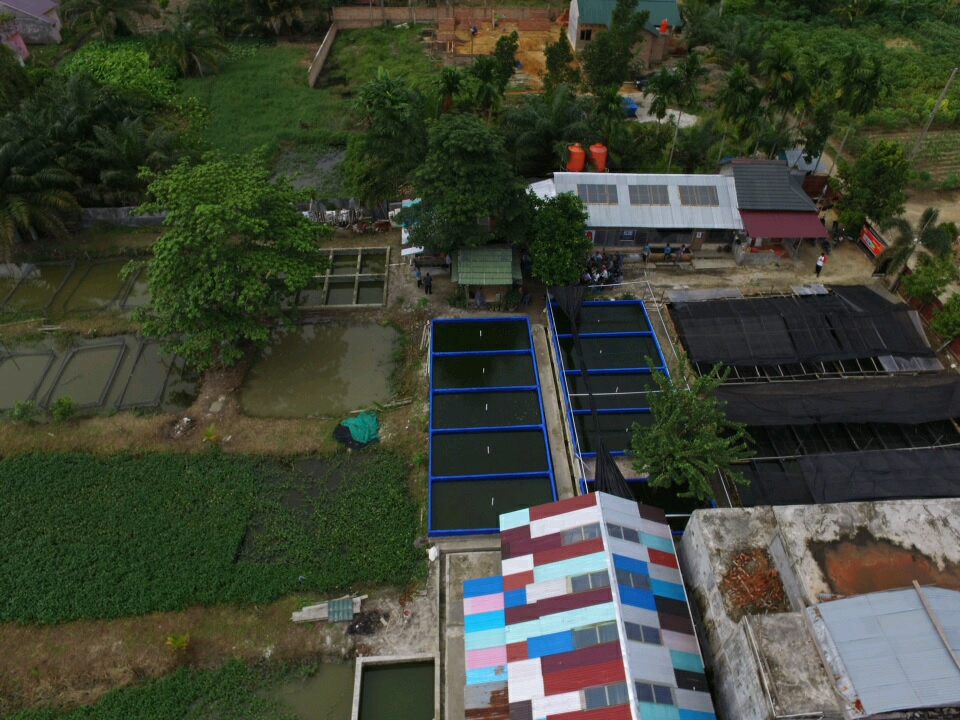
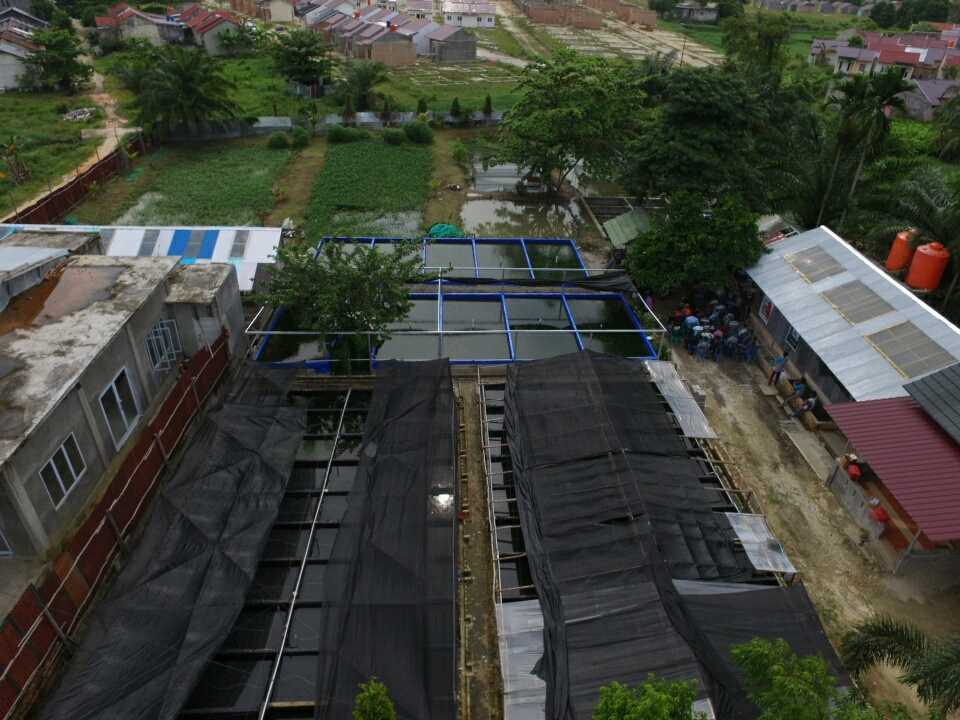
Feed production machinery: KKP
Mr. Barkah identified a substantial opportunity in establishing a fish feed production facility in Madagascar. He noted that the country possesses abundant raw materials that can be optimized to meet local feed demands. Potential ingredients include bycatch fish, fine rice bran, maize, soybeans, wheat by-products, and poultry feathers. These materials are nutritionally valuable, readily available, and can be efficiently processed into high-quality fish feed. Utilizing local resources could lead to more cost-effective production and the development of feed formulations tailored to the specific needs of fish species cultivated in Madagascar.
The establishment of a domestic fish feed plant would not only reduce reliance on imports but also lower production costs for local fish farmers. This cost reduction is expected to improve profitability for aquaculture stakeholders while enhancing the competitiveness of Madagascar’s fish products in international markets. Furthermore, local feed availability would ensure a stable and high-quality supply, supporting the sustainable growth of the aquaculture sector.
Mr. Barkah’s optimistic perspective was well-received by Groupe Action, which recognizes that developing a domestic fish feed production facility could be a strategic step in advancing Madagascar’s aquaculture industry.
Building an integrated aquaculture industry: from upstream to downstream
With robust capital resources, Groupe Action is well-positioned to drive the commercial development of Madagascar’s aquaculture industry. In addition to planning the establishment of a domestic fish feed factory, the company aims to become a key player dominating the local market while contributing significantly to export markets. The proposed feed factory will address internal demand and supply the domestic market, reducing reliance on imports. This development is expected to stabilize and lower fish feed prices in Madagascar, offering long-term benefits for the country’s aquaculture sector.
Groupe Action’s plans go beyond feed production, adopting a comprehensive upstream-to-downstream approach. The company’s long-term strategy begins with freshwater fish hatchery operations, followed by grow-out farming, and culminating in the processing of aquaculture products into high-value-added goods. By optimizing every stage of the production chain, Groupe Action aims to deliver products that are competitive in both domestic and international markets.
A cornerstone of this strategy is fostering sustainable partnerships with local communities through a core-plasma model, as previously discussed. In this model, the company acts as the “core,” providing technical support, training, and market access to community members who serve as the “plasma.” This approach enables local residents, who may lack resources or expertise, to actively participate in aquaculture ventures with the company’s backing. Such collaboration not only strengthens the regional fisheries industry but also increases community engagement in the sector.
The core-plasma partnership model is expected to generate significant positive impacts, particularly in improving rural economic welfare. Its success could establish a mutually beneficial relationship between Groupe Action and local communities, ensuring a stable supply of fish for the company while offering locals opportunities to enhance their livelihoods.
To implement these ambitious aquaculture programs, Banglele Indonesia is preparing to deploy its best resources and expert teams. These teams will include specialists in feed formulation, fish hatchery management, and fish grow-out farming. This initiative aligns with the goals of the Indonesian Embassy in Antananarivo to strengthen bilateral relations between Indonesia and Madagascar through aquaculture diplomacy. Indonesia’s representative to Madagascar, Mr. Lanang Seputro (56), has expressed full support for this initiative, recognizing it as a form of economic diplomacy that can deepen ties between the two nations while expanding investment opportunities for Indonesia in Madagascar’s fisheries sector.
Additional benefits of aquaculture development in Madagascar
Groupe Action recognizes the crucial role aquaculture can play in increasing per capita fish consumption in Madagascar. Despite being a high-quality source of animal protein with significant health benefits, fish consumption in the country remains relatively low. Strengthening the aquaculture sector is expected to enhance the availability of fish in local markets, making nutritious and affordable fish protein more accessible to the population. This aligns with the Malagasy government’s blue economy strategy, which emphasizes sustainable utilization of marine and fisheries resources to bolster national food security.

Prefabricated housing installations on the lake: Groupe Action
Beyond improving nutrition, aquaculture development offers substantial economic opportunities for Madagascar. Fish farming by-products, such as waste, can be processed into fish meal, a high-value product used in animal feed for ornamental fish, pets, poultry, and livestock. This waste-to-resource approach not only creates more economical feed options but also opens up new employment opportunities for local communities. Utilizing fish farming by-products for animal feed production reduces reliance on imported products and fosters a more self-sufficient supply chain.
A key objective of the aquaculture initiative is to conserve Madagascar’s natural fish populations, which are increasingly threatened by overfishing. Unregulated fishing practices have significantly depleted wild fish stocks, disrupting aquatic ecosystems. By providing an alternative source of fish through aquaculture, the pressure on wild fish populations can be alleviated, allowing natural ecosystems to recover and thrive.
Through these efforts, Groupe Action envisions aquaculture not just as a means of economic growth, but as a holistic solution addressing nutrition, employment, sustainability, and biodiversity conservation in Madagascar.