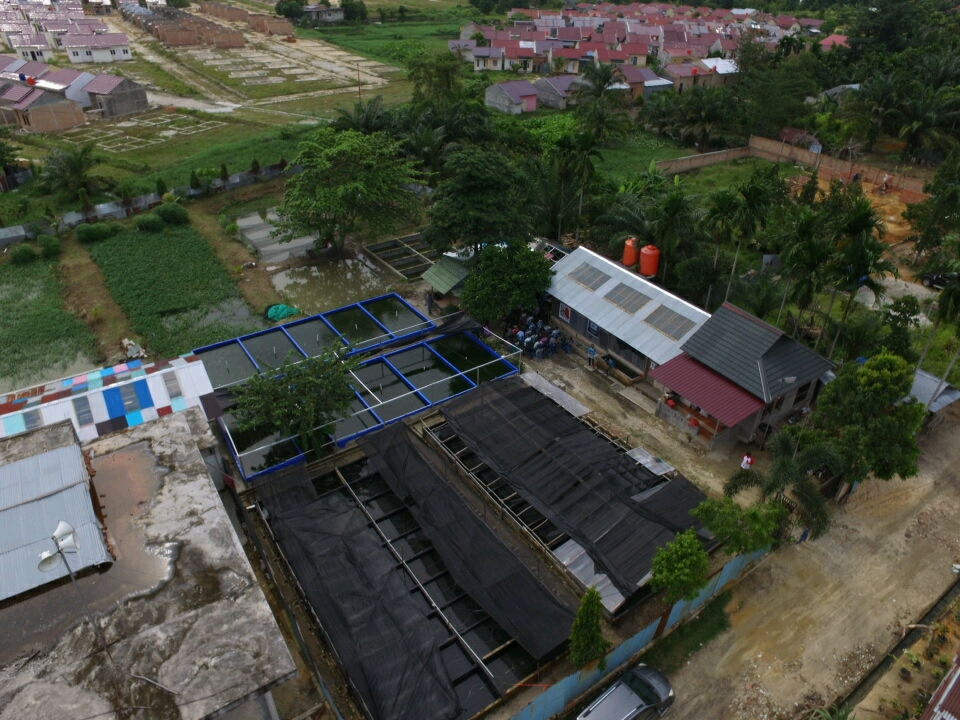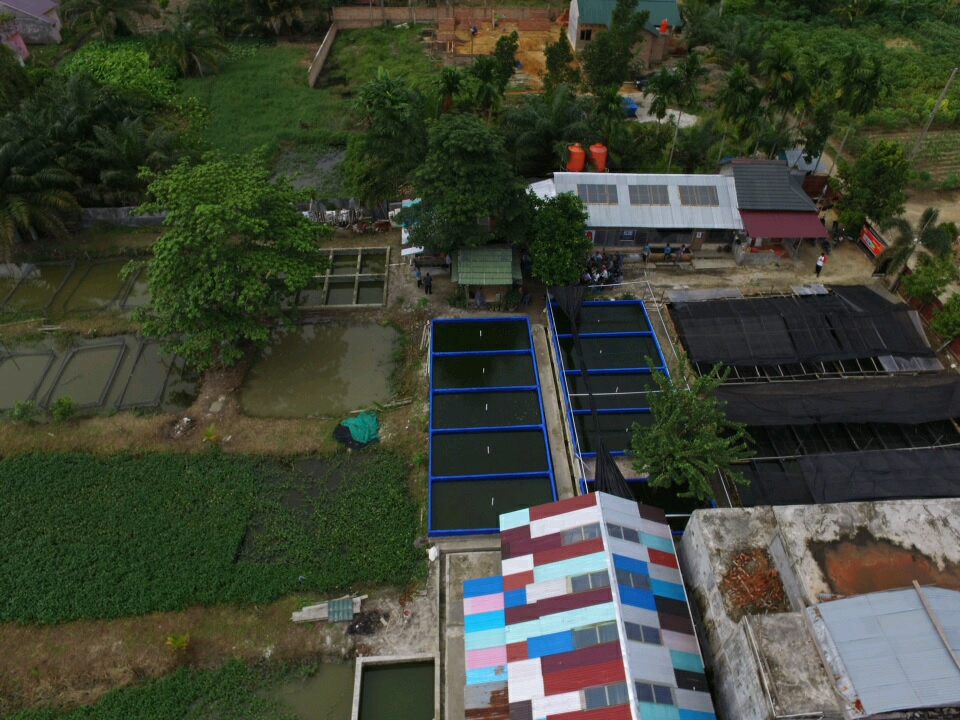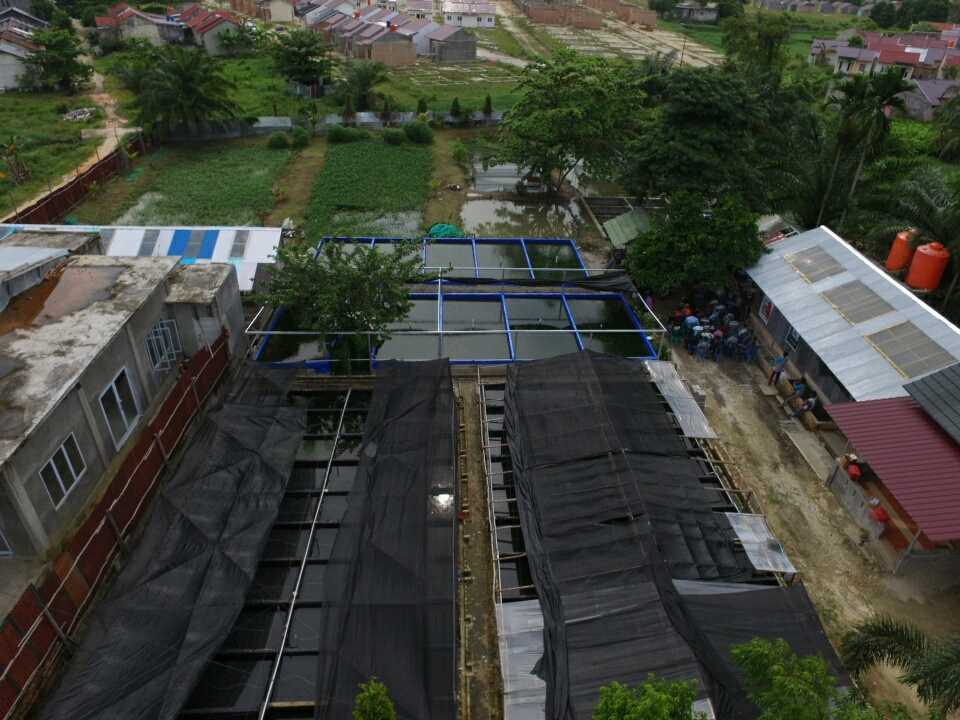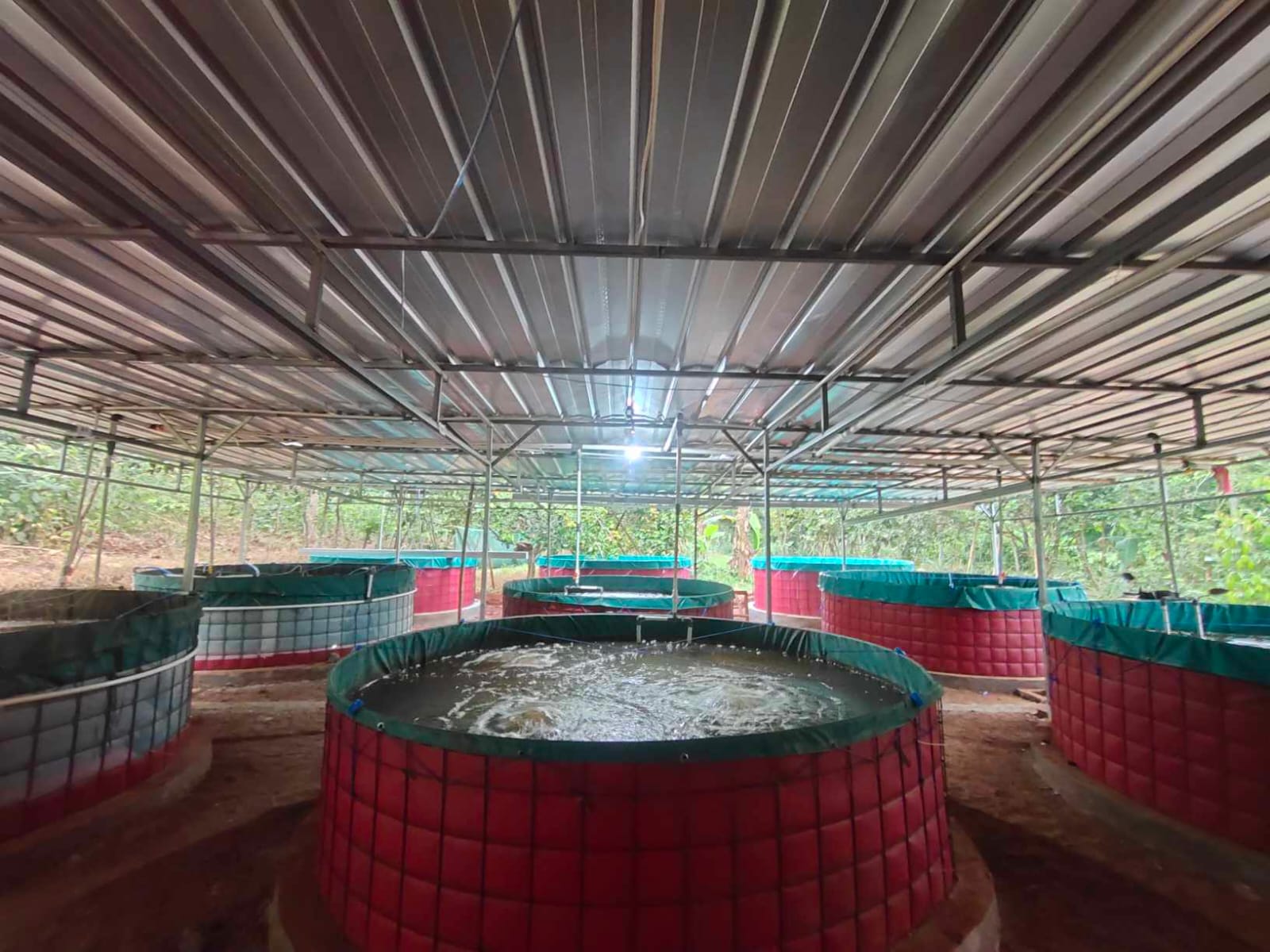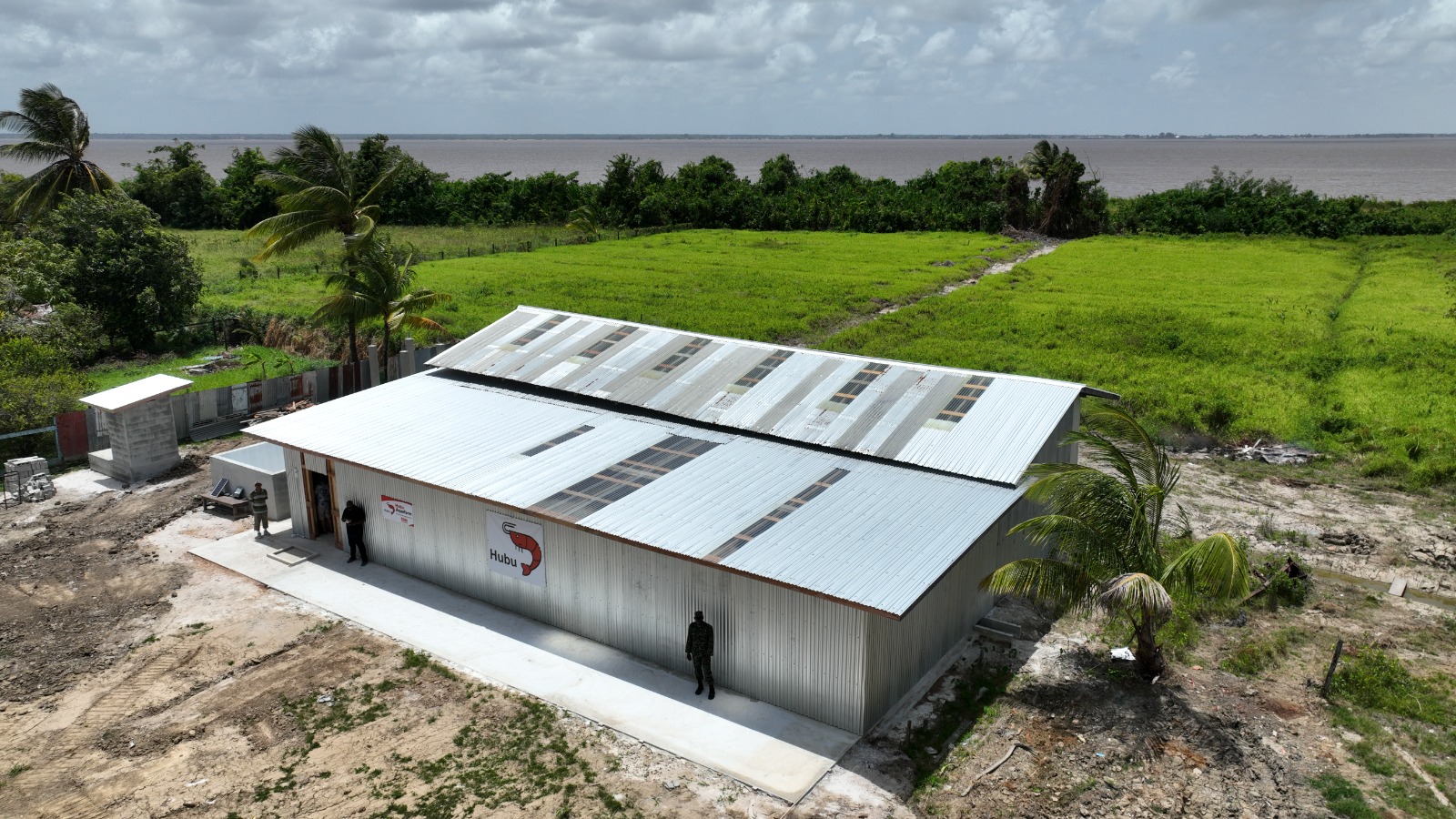
Before starting vannamei shrimp cultivation in ponds, it would be nice for us to know what things need to be prepared or considered in shrimp cultivation, especially vannamei shrimp. This of course aims to minimize the risk of failure in vannamei cultivation. Vannamei shrimp cultivation is known to be quite difficult, especially for novice farmers. Therefore, we need to pay attention to the following things so that the vannamei shrimp cultivation process can be successful.
1. Water source
The most crucial factor in the vannamei shrimp cultivation process is water because all phases of shrimp life are in the water. Starting from larvae to broodstock. A good water source will make the shrimp healthier during the cultivation process. The quality of water sources that are suitable for shrimp ponds are as follows:
- Salt content is in the range of 15-25 ppt (Soemardjati & Suriawan, 2007)
- Temperatures range from 20-30℃ (Liao & Muarai, 1986)
- pH ranges from 7.5 to 8.5 (Anonymous, 2003)
- The optimum brightness of pond water which is influenced by the density of plankton is around 20-40 cm (Sahrijanna, A., and Sahabuddin. 2014)
- Dissolved oxygen levels of 5.3–8 mg/L are good for the survival and growth of shrimp (Anonymous, 1968)
2. Pond types
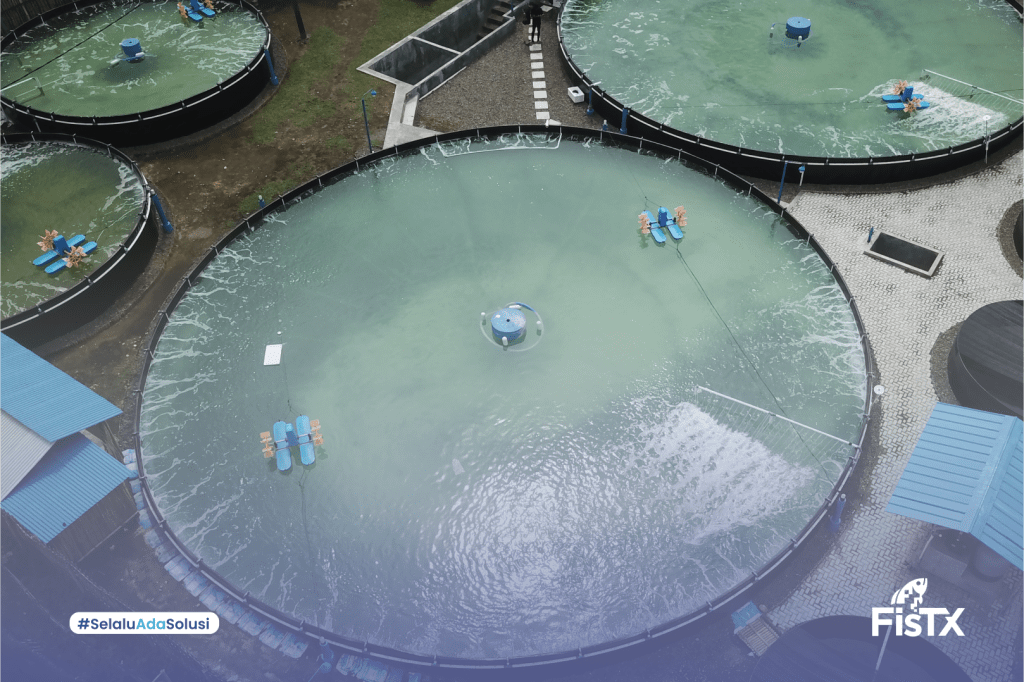
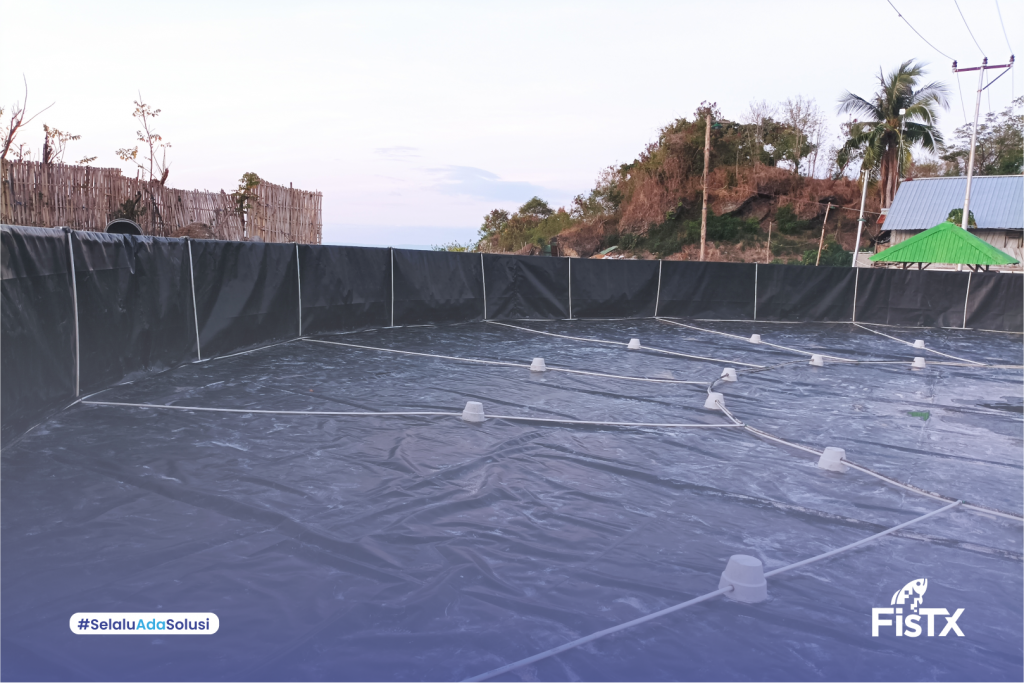
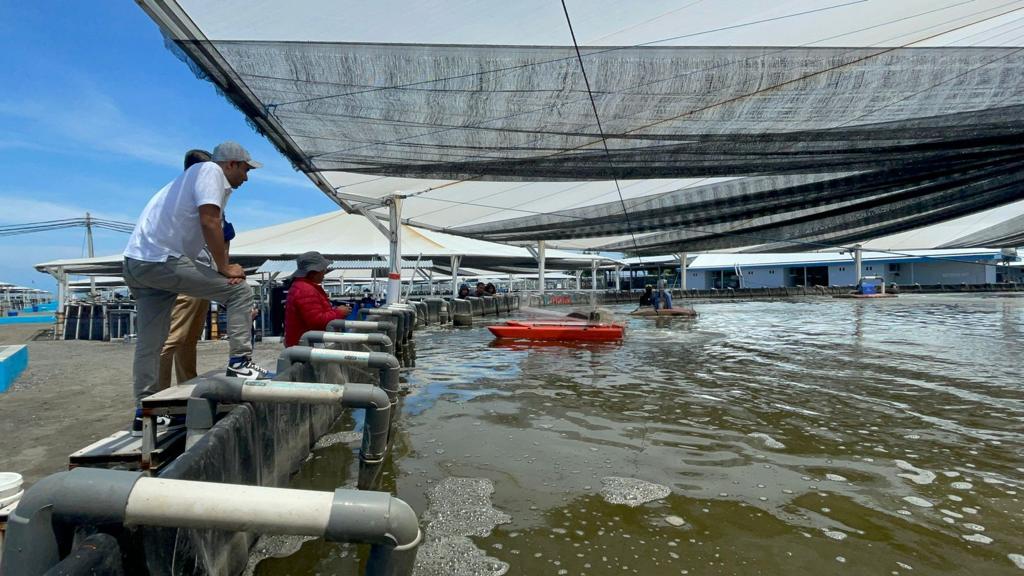
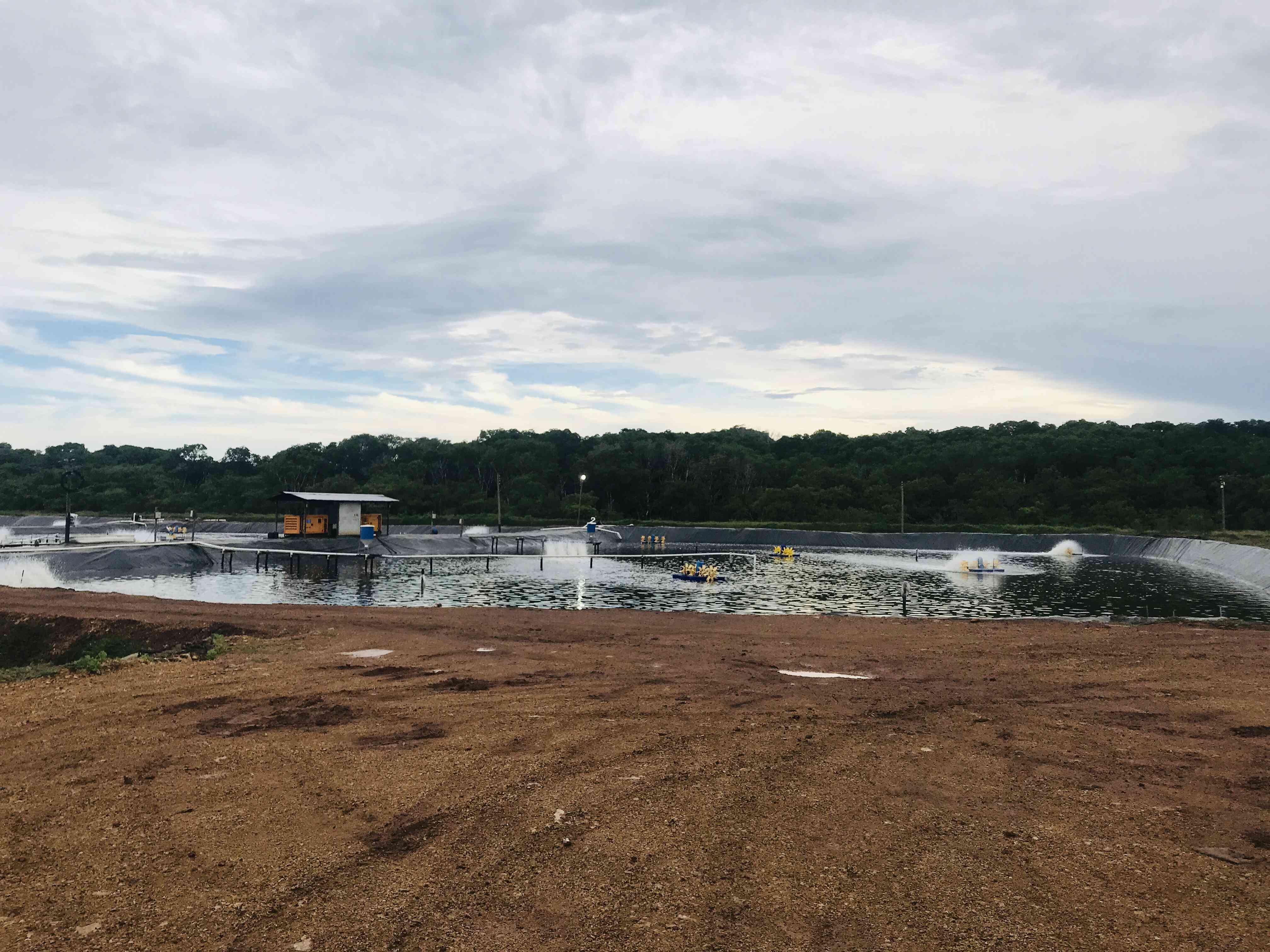
There are four types of ponds with different technologies: extensive/traditional, semi-intensive, intensive, and super-intensive ponds. The selection of this type of pond must be adjusted to the budget and purpose of manufacture. This type of extensive pond is known for its low stocking density, so it has a low level of productivity. However, the level of maintenance carried out on extensive ponds is easier so that the risk of shrimp getting a disease is lower. The stocking density of extensive ponds generally ranges from 3,000-8,000 individuals/ha. Meanwhile, semi-intensive ponds have stocking densities that are higher than extensive ponds but not too dense, around 10,000-20,000 fish/ha. Intensive ponds usually use direct soil ponds, but can also use layers to reduce soil erosion rates. The depth of the pond is also made more than 1 meter so that the shrimp can move freely. Intensive ponds have a stocking density of around 20,000-50,000 individuals/ha. Super intensive ponds have a higher stocking density than the other three ponds, but this type of pond requires a fairly expensive cost. This is because the oxygen needed in the pond is more so that it needs oxygen supply tools such as windmills in sufficient quantities. The depth of intensive ponds should also be increased to about 2.6 m so that the prawns are not overcrowded.
3. Dissolved Oxygen supply
Dissolved Oxygen (DO) is an important factor that needs to be considered by novice farmers. This is because dissolved oxygen levels will affect the growth and development of shrimp. DO in ponds is used for the respiration process and degrades organic matter as well as feed residue. Low levels of DO in ponds will have an impact on increasing toxicity which leads to mass death. DO supply in ponds can use aerators or windmills. Dissolved oxygen levels of 5.3–8 mg/L are good for the survival and growth of shrimp (Anonymous, 1968).
4. Fry selection
The selected fry must be in good health and free from disease before being stocked. Viruses and diseases that attack the fry will have the potential to infect another fry in the pond, which can cause mass deaths. In addition, the selected fry must have a uniform size. In general, the shrimp will grow according to the initial size, so if the selected fry is not of the same size, the size will not be the same at harvest. As for the harvest process, the shrimp is seen from its size where the shrimp is taken by random sampling from the pond. Sizes that are not uniform will cause inaccurate yield calculations and cause losses for farmers.
To get healthy and quality vannamei shrimp fry, several aspects need to be considered, namely as follows:
• Avoid factors that cause stress for the fry, for example bringing them from a nursery far from the pond which requires a long journey (more than one day).
• Use seeds that are already strong against disease meaning old PL for example PL 20-25
• The fry must also be disease-free, for example by detection by PCR test. Infectious Hypodermal and Hematopoietic Necrosis Virus (IHHNV) disease that attacks vannameii causes the fry to grow slowly and there is a large variation in size (Castille et al., 1993).
5. Feed selection
In the selection of feed, protein content is one of the most important nutrients to pay attention to. A feed with high protein content usually has a sharper aroma so that it becomes an attraction for shrimp. However, high levels of these proteins result in high levels of ammonia in the culture system. The selection of feed with a protein content of 30% is good enough to be used in vannamei shrimp culture, where the protein needs of vannamei shrimp are met and do not pollute the environment.
References
Anonim, 2003. Litopenaeus vannamei sebagai alternative budidaya udang saat ini. PT. Central Proteinaprima (Charoen Pokphand Group) Surabaya. 16 hal.
Anonymous. 1968. Water quality criteria. Federal Water Pollution Control Administration. US Department of The Interior. Washington, D. C.
Castille, F.L., T.M. Samocha, A.L. Lawrence, H. He, P. Freier, and F. Jaenike. 1993. Variability in growth and survival of early postlarval shrimp (Penaeus vannameii Boone 1931). Aquaculture. 113: 65—81.
Liao, I.C. dan Murai, T., 1986. Effects of dissolved oxygen, temperature, and salinity on the oxygen consumption of grass shrimp, Penaeus monodon. In:Maclean, J.L., Dizon, L.B. and Hosillos, L.VV. (Eds): The First Asian Forum. Asian Fisheries Society, Manila, Philippines, p: 641-646.
Sahrijanna, A. dan Sahabuddin. 2014. Kajian kualitas air pada budidaya Udang vaname dengan sistem pergiliran pakan di tambak intensif. Prosiding Forum Inovasi Teknologi Akuakultur, Balai Penelitian dan Pengembangan Budidaya Air Payau.
Soemardjati W, Suriawan A. 2007. Petunjuk teknis budidaya udang vaname (Litopenaeus vannamei) di tambak. Departemen Kelautan dan Perikanan Direktorat Jenderal Perikanan Budidaya. Balai Budidaya Air Payau Situbondo. 30 hal
Zakia Dwi Puspa Ramadina, 2021. Beberapa hal penting dalam budidaya udang vaname.