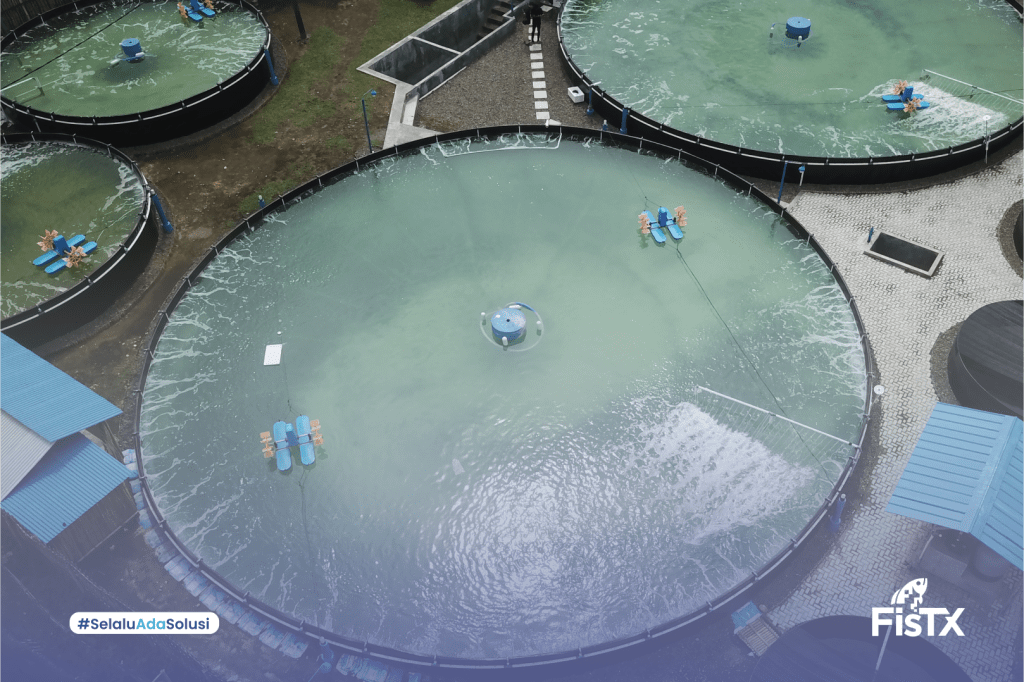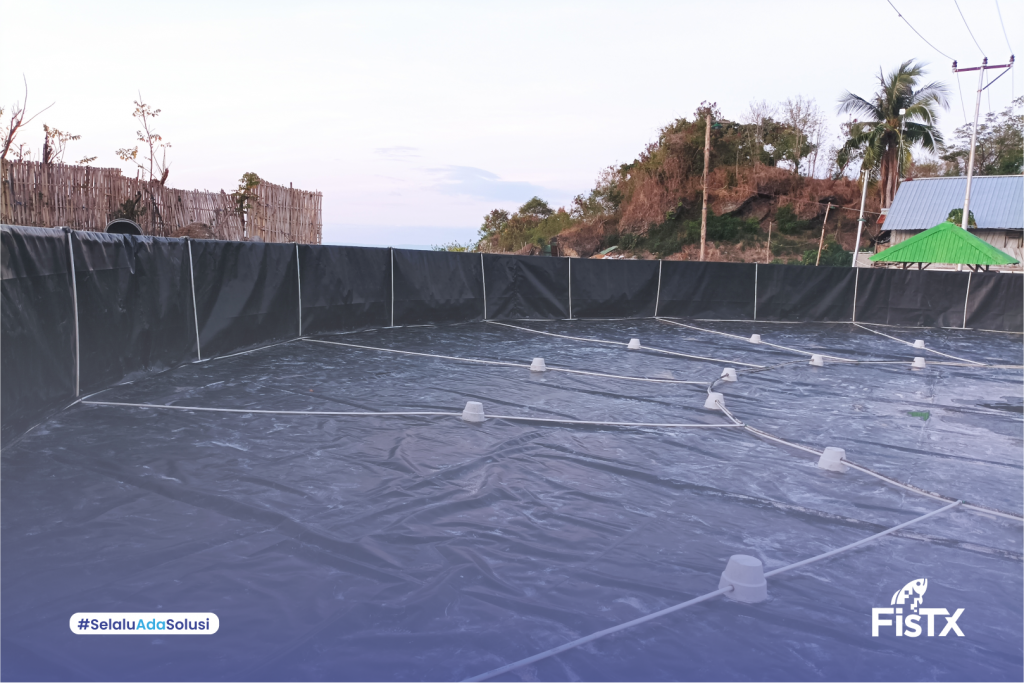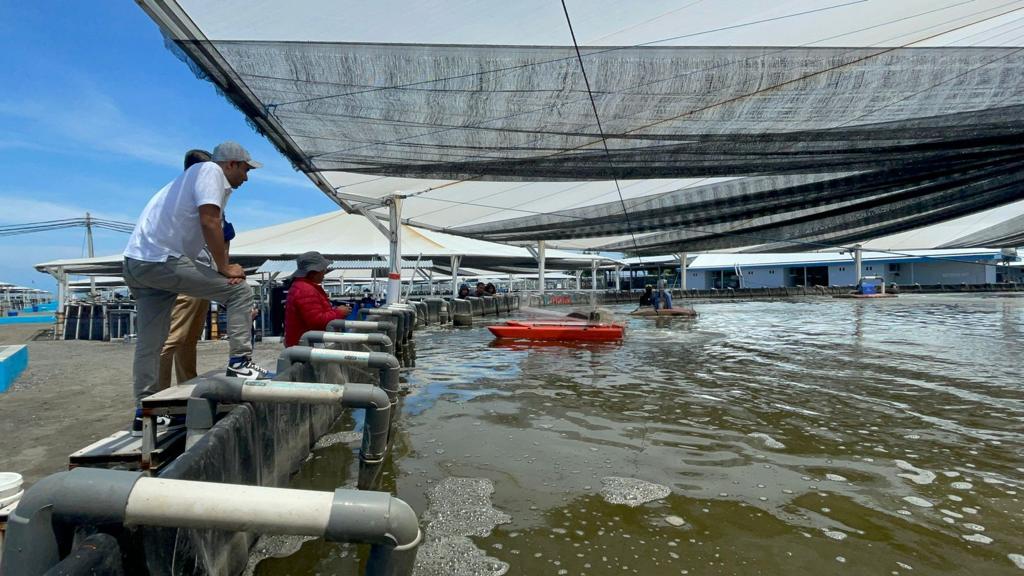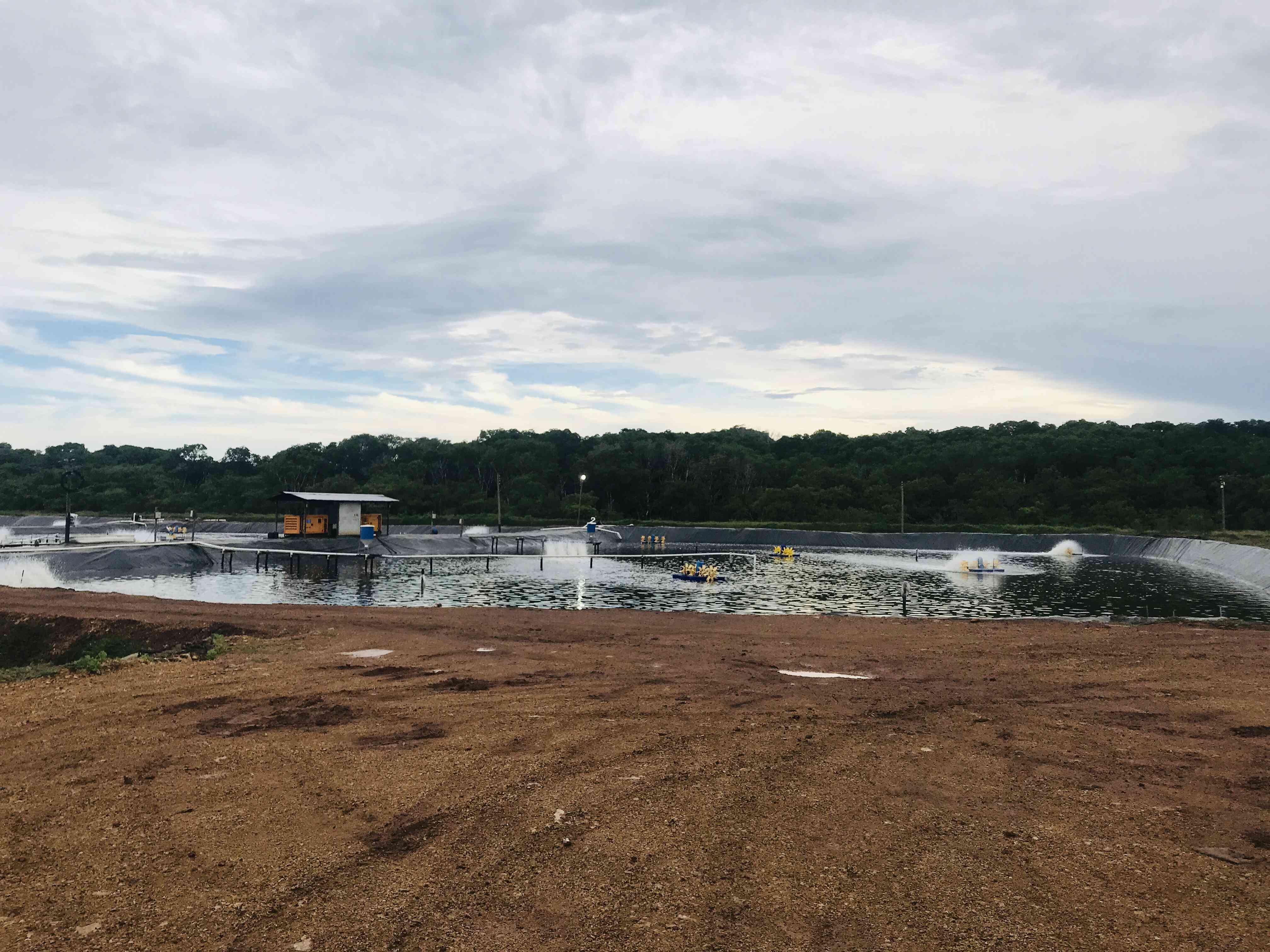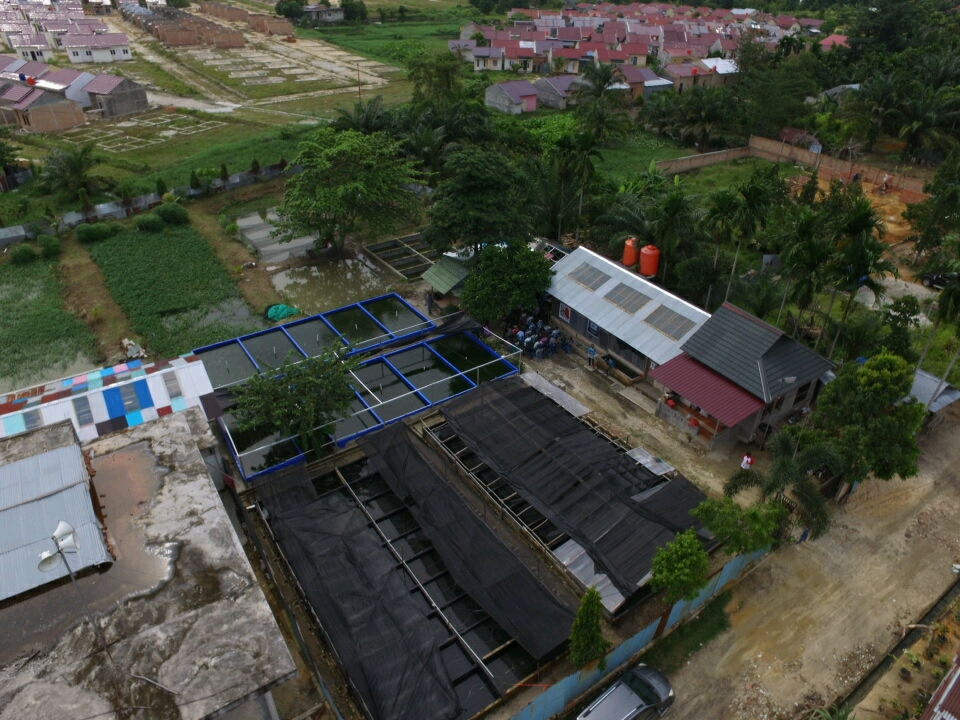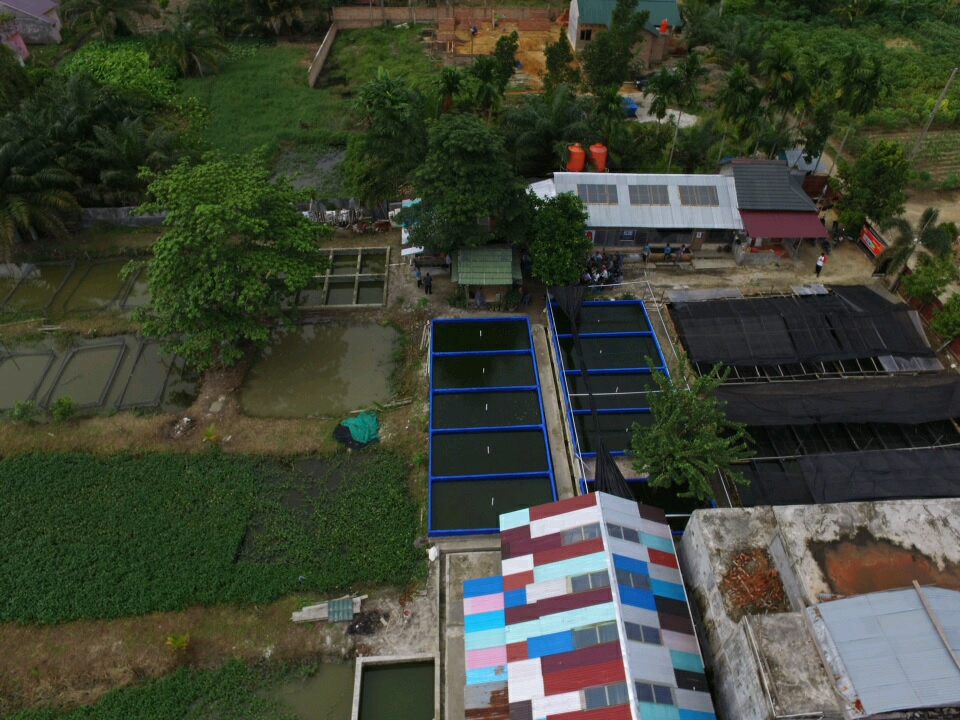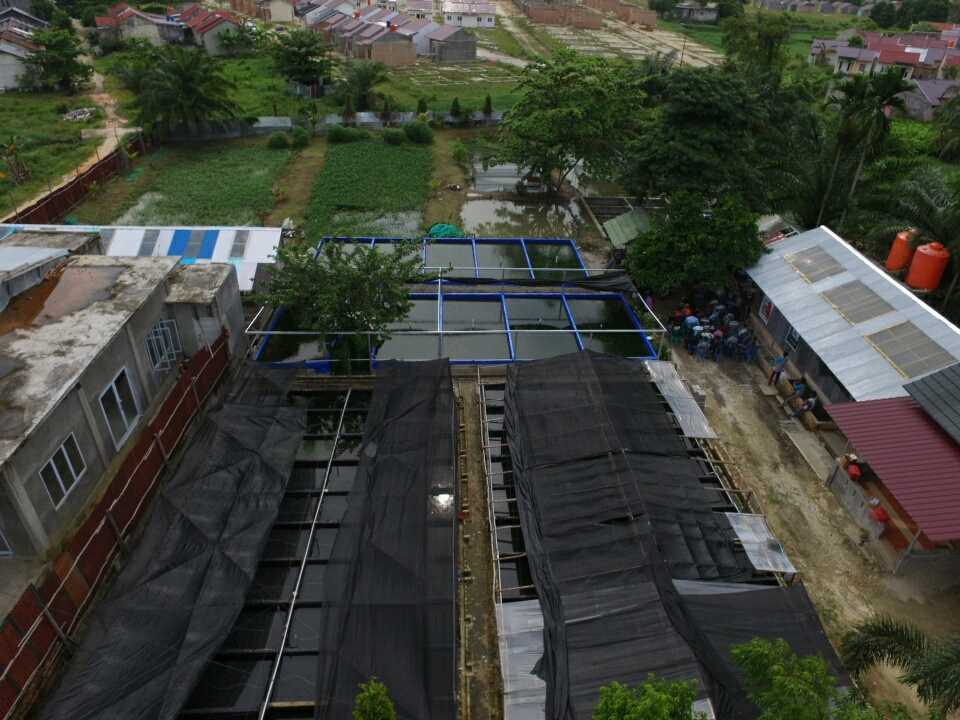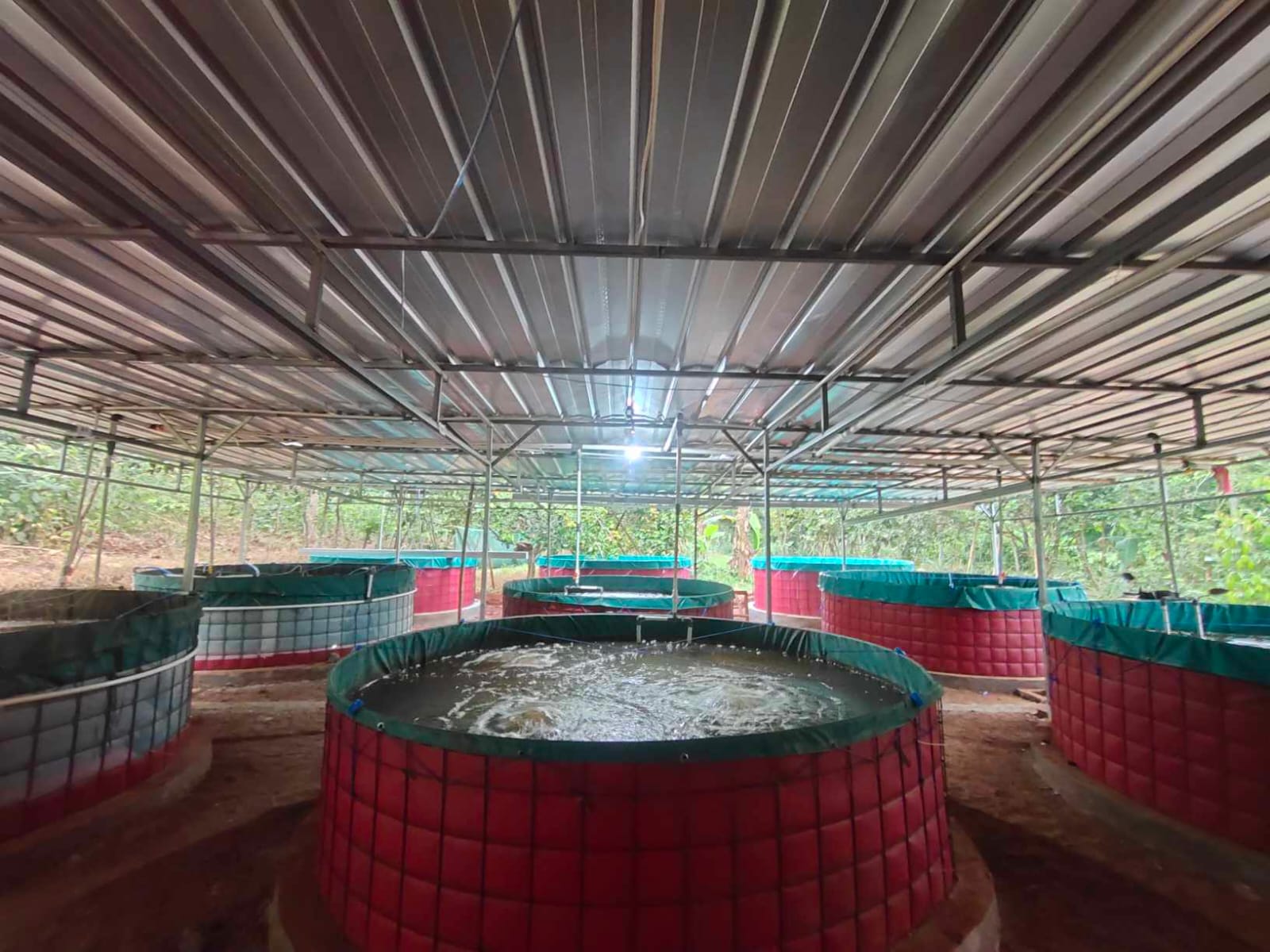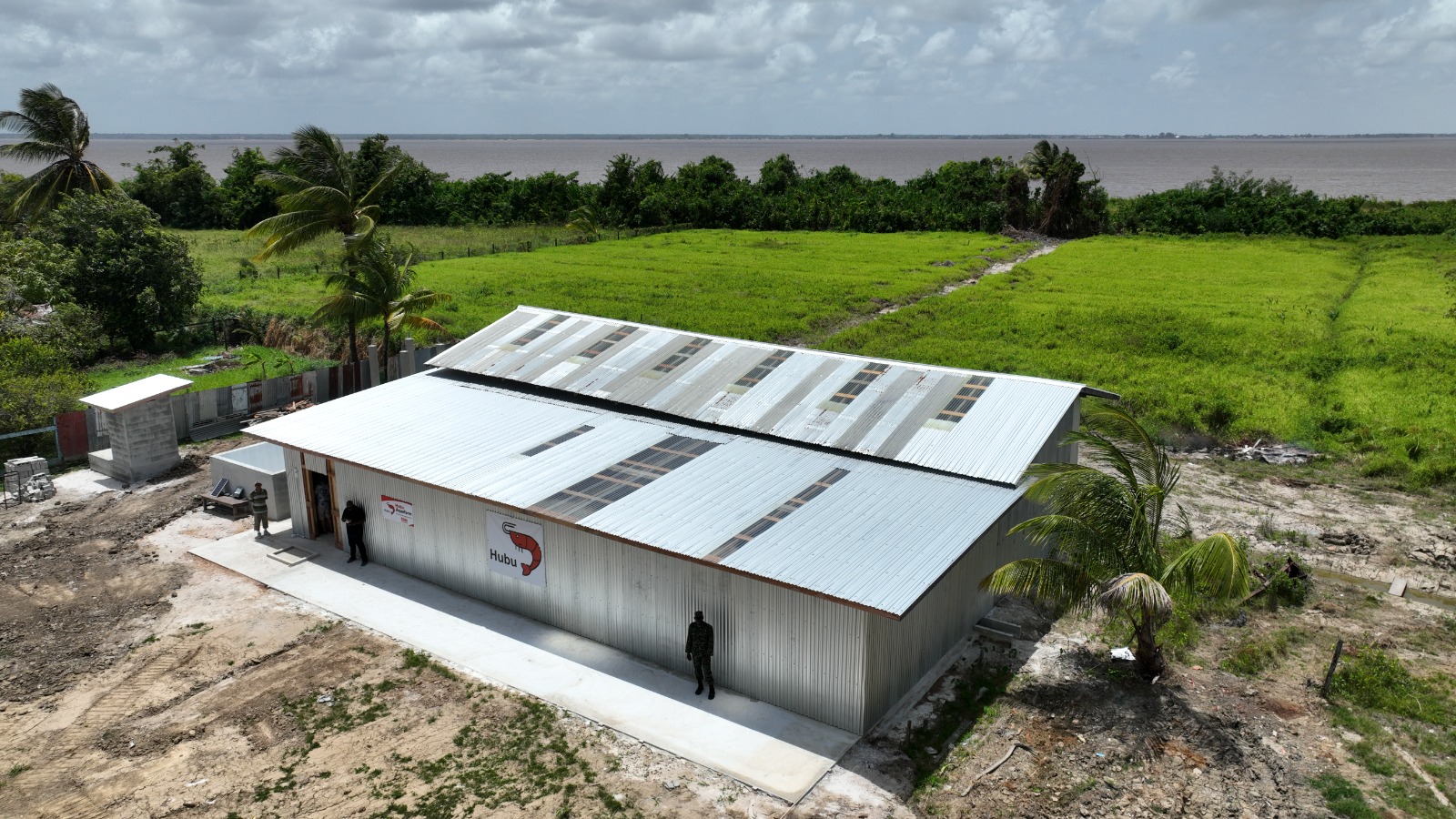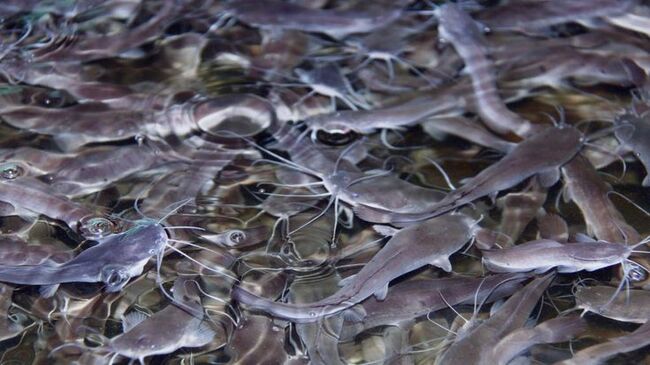

Business activity is productive if it can produce something useful for oneself and others. In addition, these activities can generate material or non-material benefits. One of the practical business activities is aquaculture, especially catfish. We are all familiar with this type of freshwater fish. This fish, which is a delicious meal for all Indonesian people, has been cultivated in almost every area due to its ease of maintenance in aquaculture ponds.
In addition, catfish farming is very lucrative in terms of market price. For catfish, consumption ranges from IDR 15,000 to 27,000 per kilogram. The cost of catfish seeds ranges from IDR 200 to 300 per head (Ikanesia, 2020). The other advantages possessed by catfish when cultivated are as follows:
1. Relatively easy to maintain
We certainly already know that catfish is one type of fish that has a strong resistance to extreme water conditions. In addition, catfish are also able to survive in high densities and have a good conversion rate of feed into body weight (DPPP, 2021). With advantages like these, catfish care will be very easy to do.
In addition to the above advantages, we as cultivators must also pay attention. At least, we must routinely provide feed and monitor water quality regularly. Replacing dirty water is one of our ways to maintain optimal catfish culture pond water quality.
2. Resistant to disease
Due to its sound immune system, catfish resistance to disease is a distinct advantage for this freshwater fish. Furthermore, the discovery of superior types of catfish breeders that the Fisheries Center in Indonesia has successfully developed is increasing. Mutiara catfish (mutu tinggi tiada tara) is one of the special breeds of catfish that was formed from a combination of crosses of Egyptian catfish strains, paiton, sangkuriang, and dumbo, which were selected for three generations based on growth characters.
This mutiara catfish was produced by researchers at the Sukamandi Fish Breeding Research Center (BPPI), Subang, West Java. It was released on October 27, 2014, but was only officially released by the Ministry of Maritime Affairs and Fisheries on July 14, 2015. One of the advantages of this mutiara catfish is its relatively high disease resistance, with a survival rate (SR) of nursery seedlings ranging from 60-70% in Aeromonas hydrophila bacterial infections without antibiotics (Admin dkpp, 2019).
3. Relative rapid growth
In addition to being resistant to disease, catfish have a relatively rapid growth rate. Catfish can live in various water conditions, both normal and extreme. One type of superior catfish that has a high growth rate is the mutiara catfish. The main advantage of catfish is an increase in the growth ability of the weight parameter based on 52.64% of the original population. The increase was 20.59% in the first generation, 11.80% in the second generation, and 20.24% in the third generation (Admin dkpp, 2019)
4. Quickly harvest
Another advantage of catfish is that they can be harvested quickly. We don't have to wait long to harvest catfish. Usually, they are ready to harvest within three months from the time the seeds are stocked. With a shorter catfish harvest time, the capital we use will return faster, allowing for a quick return on investment. This is one of the reasons why farmers are interested in starting a catfish business.
5. The community controls the technology of cultivating catfis
Most of the technology for catfish cultivation has been controlled by the community. One catfish cultivation technology that is relatively easy to apply is the aquaponics system. Aquaponics technology is a technological innovation to address a decrease in production due to a reduction in air quality. This technological innovation is expected to reduce and increase the productivity of cultivation media. Aquaponics systems are designed by placing plant containers into fish ponds equipped with inlet and outlet channels. The inlet line is directly connected to a pump that delivers pond water to the plant container. Kale is one of the plants that can be used in an aquaponics system. The outlet channel drains water from the plant container back into the pond (Prayogo, 2020).
References:
Admin dkpp. (2019, Desember 16). Keunggulan lele mutiara jika dibudidayakan. Diambil kembali dari dkpp.bulelengkab.go.id, dkpp.bulelengkab.go.id/informasi/detail/artikel/keunggulan-lele-mutiara-jika -dibudidayakan-42.
DPPP. (2021, Februari 25). Cara budidaya ikan lele yang baik. Diambil kembali dari dppp.bangkaselatankab.go.id: https://dppp.bangkaselatankab.go.id/post/detail/886-cara-budidaya-ikan-lele-yang-baik.
Ikanesia. (2020, Januari 19). Harga ikan lele untuk konsumsi Terbaru 2021. Diambil kembali dari ikanesia.id: https://www.ikanesia.id/2020/01/harga-ikan-lele-untuk-konsumsi-terbaru.html.
Prayogo. (2020, Februari 10). Inovasi teknologi budidaya ikan lele dumbo (Clarias sp) sistem akuaponik. Diambil kembali dari news.unair.ac.id: http://news.unair.ac.id/2020/02/10/inovasi-teknologi-budidaya-ikan-lele-dumbo-clarias-sp-sistem-akuaponik/#respond.