Vannamei shrimp cultivation has become a very important and profitable fishing activity, both at the local and international levels. The ever-increasing market demand means that shrimp cultivation has bright prospects, thus attracting the interest of many cultivators to enter this field. However, to achieve success in vannamei shrimp cultivation, an in-depth understanding of the various technical and biological aspects that influence the cultivation process is required, especially in terms of broodstock management.
Broodstock management is the main foundation in vannamei shrimp cultivation. Broodstock that is well managed will have a positive impact on the entire cultivation process, especially at the larval hatching stage. Knowledge and skills in managing broodstock are very important because healthy and quality broodstock will produce larvae that are also healthy and strong, so they can survive and grow well in the cultivation environment.
One important aspect in broodstock management is the spawning process. Spawning of vannamei shrimp is carried out when the female parent has mature gonads as indicated by the orange color change on her back. This process involves complex interactions between the female and male, which begins with the release of pheromones by the female to attract the male's attention. After that, the male shrimp will chase the female and mating occurs, where the sperm will attach to the female's telicum. Next, within 4-5 hours, the female will release eggs (spawn) and fertilization will occur.
This article will explain in detail spawning procedures and techniques, from container preparation to brood rearing management, in order to provide comprehensive guidance for shrimp farmers in managing their cultivation more effectively and efficiently.
1. Preparation of container
Preparing the container is a very important first step in cultivating vannamei shrimp. This process begins with cleaning the container to ensure that there are no contaminants or dangerous substances that could harm the health of the shrimp. This cleaning is done by sprinkling calcium hypochlorite or Ca(ClO)2 as much as 500 mg/L-1 into the container. Calcium hypochlorite functions as a disinfectant that effectively kills bacteria, viruses and other microorganisms that may be in the container. After that, the container was washed using detergent with a concentration of 10 g/L-1 to remove remaining dirt and organic material attached to the walls of the container.
Once the cleaning process is complete, the container should be rinsed with clean water to ensure that no detergent residue or other chemicals remain. This rinsing process must be carried out carefully because chemical residues can have a negative impact on shrimp health. After rinsing, the container is dried for 24 hours. This drying aims to ensure that the container is completely free from moisture which can become a medium for bacterial or fungal growth. Apart from that, drying also helps in removing any residual disinfectant that may still remain.
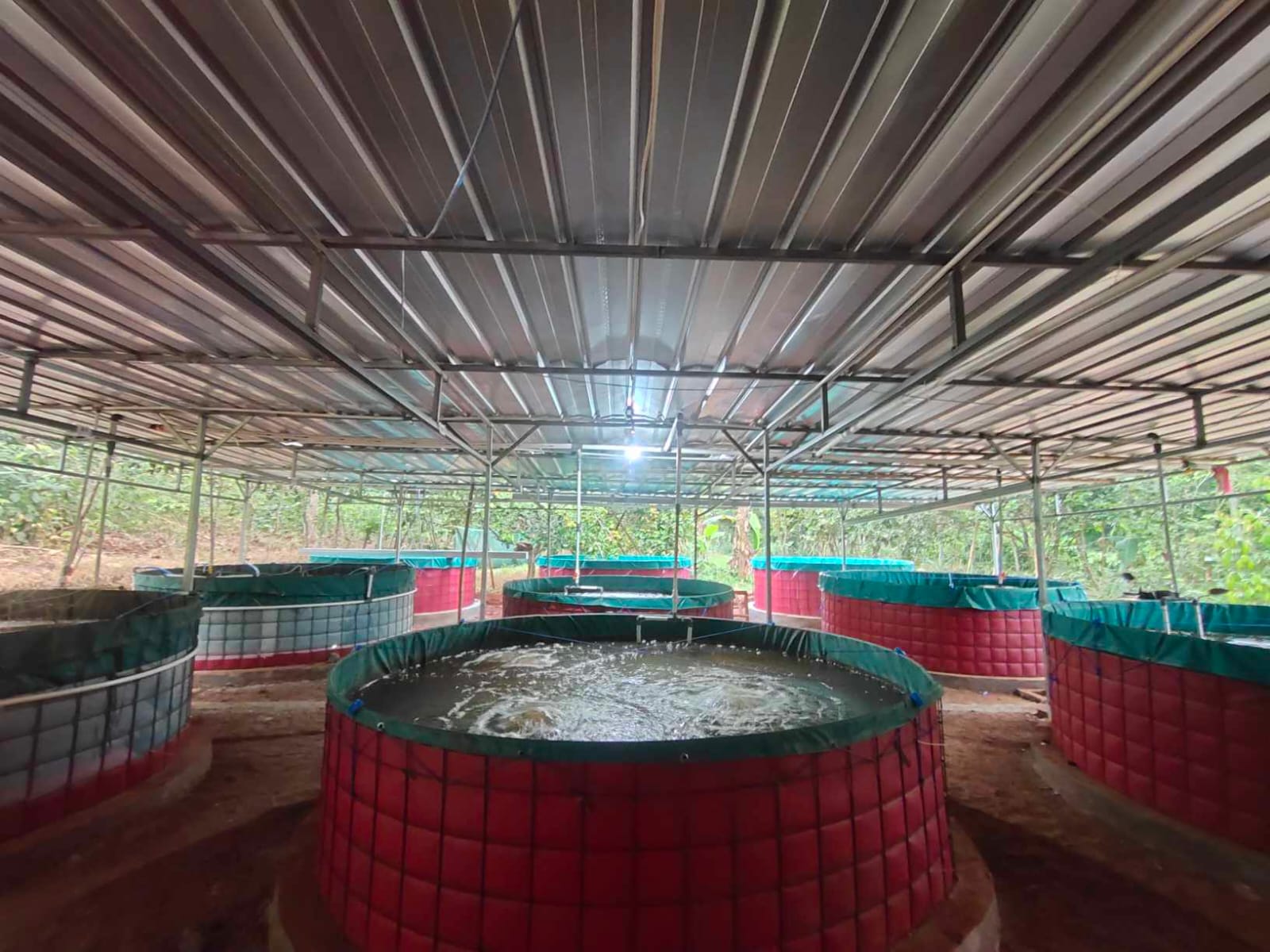
The final step in preparing the container is installing aeration and filling with sea water. Aeration is very important to ensure that the water in the container has sufficient oxygen levels to support shrimp life. Vannamei shrimp require high levels of dissolved oxygen (DO) for optimal growth and development. The water used to fill the container can come from sea water or well water which is stored in the main reservoir. It is important to ensure that the water used is free from pollutants and is of good quality.

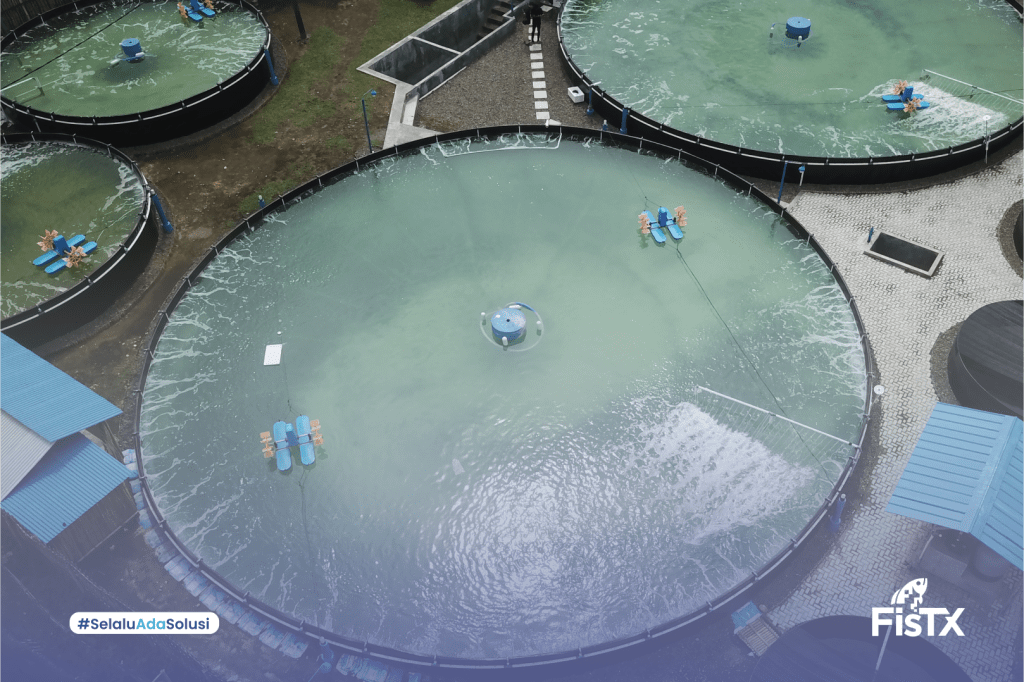
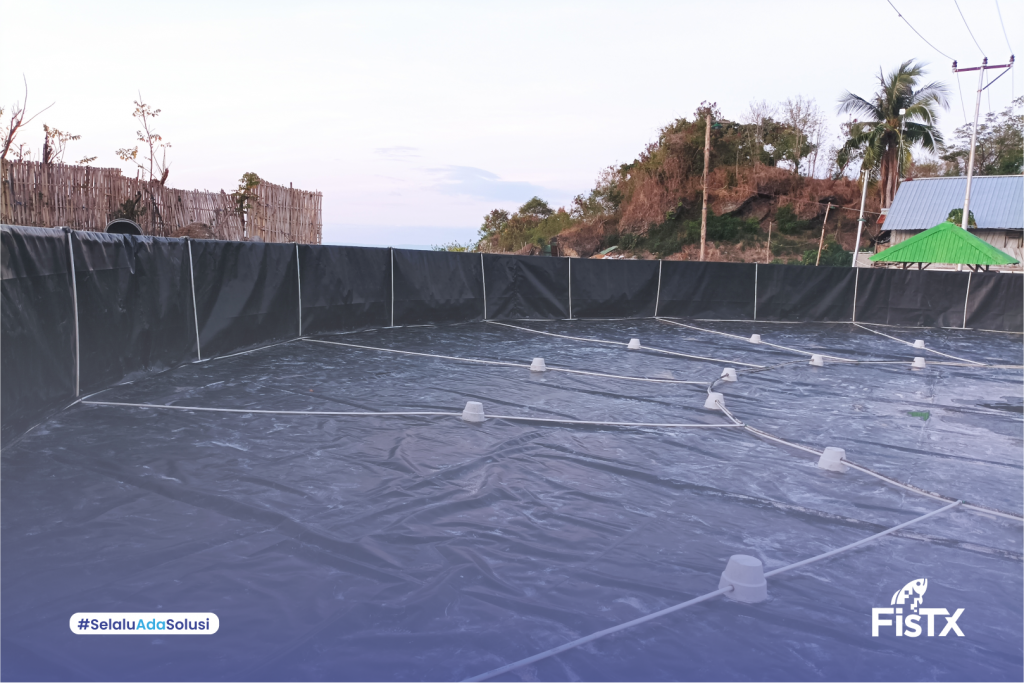
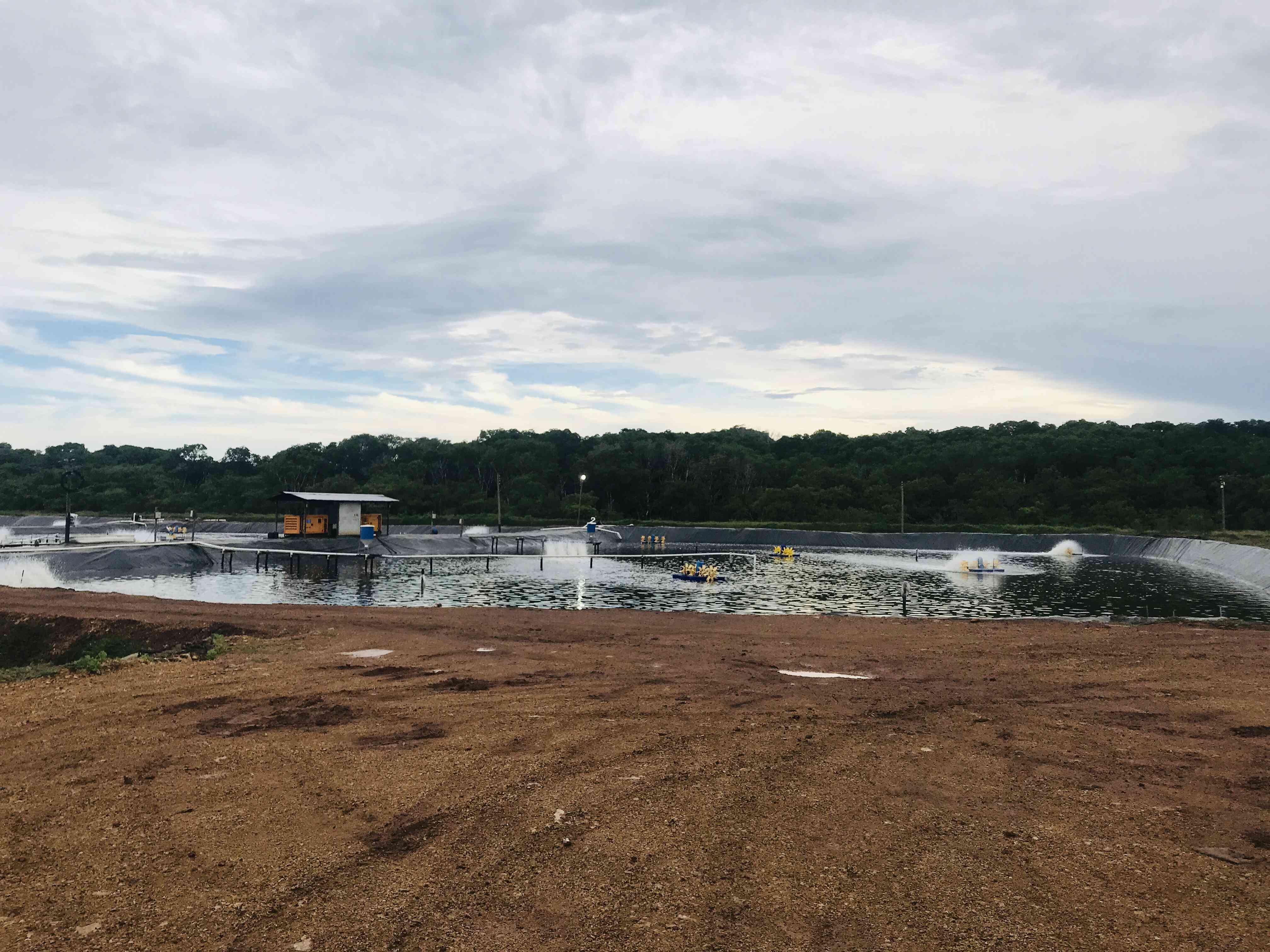
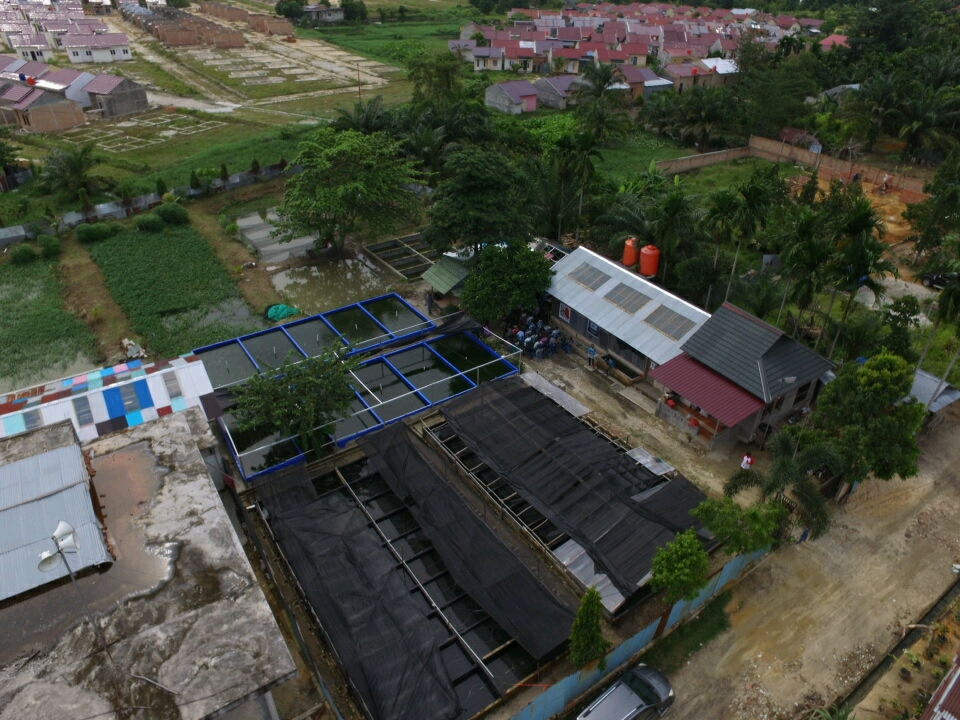
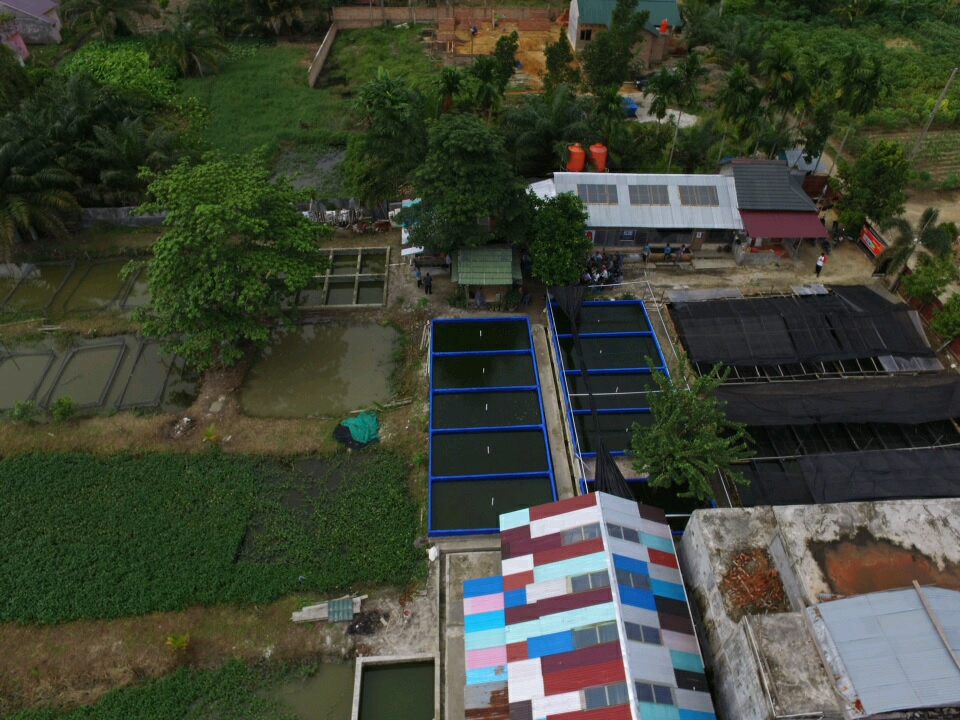
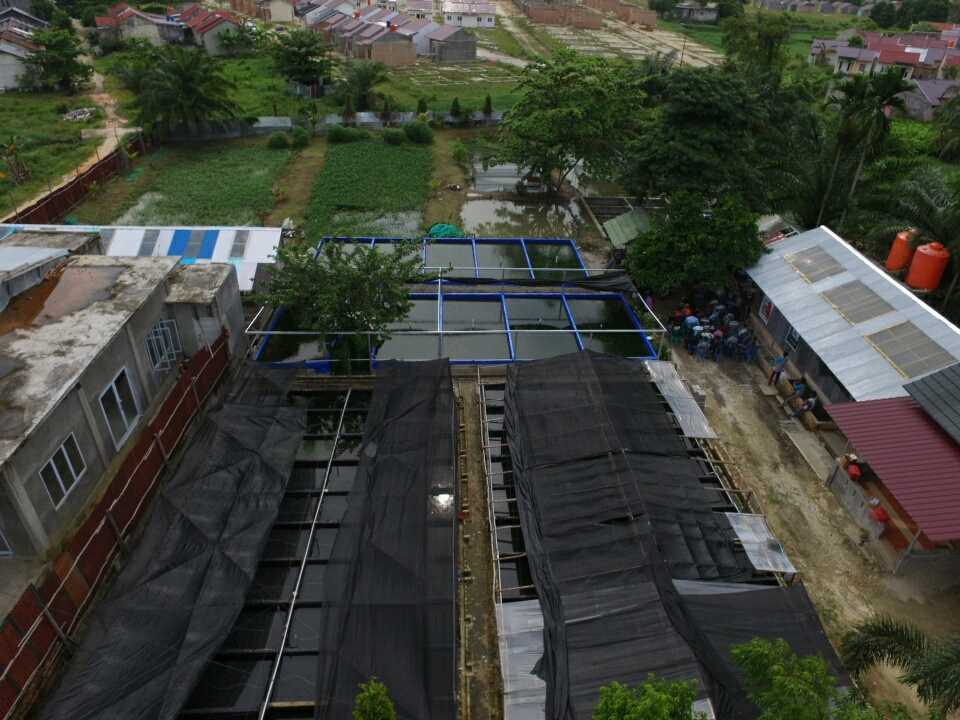
Vannamei shrimp cultivation container
2. Selection and distribution
The parents selected must be in good health, free from disease, and not experiencing stress. Healthy parents will have optimal reproductive abilities, so they can produce high quality larvae. One disease that must be avoided is White Spot Syndrome Virus (WSSV), which can cause mass deaths in shrimp populations. Considering this, it is important to carry out a thorough health check before the broodstock is used in cultivation.
The broodstock stocking process begins with acclimatization to adjust the temperature and pH of the water in the broodstock packaging bag to the water in the rearing container. This acclimatization is carried out for 30-35 minutes or until the temperature and pH differences approach the specified limits. Inappropriate temperature and pH can cause stress in shrimp, so this adjustment process is very important to maintain the physiological condition of the broodstock. During the acclimatization process, acetic acid solution (CH3COOH) is added to the packaging bag to adjust the pH of the container water to the pH of the water in the main packaging bag. This is done to prevent drastic changes in pH which could endanger the health of the broodstock.
After the acclimatization process is complete and the temperature difference is a maximum of 2ºC and the water pH is a maximum of 0.5, the main packaging bag can be opened. This is done carefully to prevent shock to the parent shrimp. To prevent pests and diseases during transportation, the water used in packaging bags and waste water from cultivation containers are given a chlorine dose of 8 L/L-1. Chlorine functions as an effective disinfectant to kill pathogens and dangerous microorganisms that can infect shrimp.
3. Management of broodstock maintenance
Parent rearing management consists of managing parent feed, water quality, and disease prevention. Parent feed management is carried out by providing good feed including natural feed and fresh feed. Natural food for rearing vannamei shrimp is Nereis worms or sea worms (Dendronereis pinnaticirri) which is the main feed for rearing vannamei shrimp. Sea worms function in the reproductive biological process of shrimp broodstock because sea worms contain unsaturated fatty acids (YOU DIE) which can stimulate the process of gonad maturation in crustaceans and marine fish. The fresh food given to the white vannamei shrimp parents consists of sliced squid, chicken liver and oysters. The feeding dose is 40 percent of the parent vannamei shrimp biomass. The frequency of feeding is twice a day in the morning and evening.
Water quality management for broodstock maintenance is carried out by replacing water and carrying out a siphon process in the broodstock container. The siphoning process is carried out periodically every day, namely in the morning and evening by throwing away the remaining feed. Meanwhile, for pest and disease management, apply biosecurity during cultivation activities such as wearing boots, soaking feet in chlorine solution (foot bath), and wash your hands with soap and 70 percent alcohol (hand sanitizer). Every two weeks, the broodstock rearing container is given potassium permanganate (KMnO4) at a dose of 1.5-2 mg L-1 to prevent disease.
4. Spawning of brood shrimp

The white vannamei shrimp parent will carry out the spawning process: KONA BAY
The spawning process of vannamei shrimp is a critical stage in the cultivation cycle that determines the success of reproduction and larval production. One of the methods used in the spawning process is ablation of the eye stalks of the female parent. Eyestalk ablation is a technique that involves removing part or all of the organ located on the eye stalk of the female. This technique is carried out after the female has passed a quarantine period of three days after being transferred to the maturation tank or when the female is no longer experiencing stress.
The main aim of eyestalk ablation is to accelerate gonad maturation in the female. According to research, removing the female eye stalk organ which produces hormones that inhibit gonad development or Gonad Inhibiting Hormone (GIH) will eliminate obstacles to the work of hormone-producing organs. This organ functions as a hormone producer or Gonad Stimulating Hormone (GSH) which stimulates ovarian development. In the absence of obstacles from GIH, GSH production increases thereby accelerating the gonad maturation of female shrimp. This process is very important because mature gonads will produce eggs that are ready to be fertilized, increasing efficiency and productivity in vannamei shrimp cultivation.
After the ablation process is carried out, the spawning method begins by moving the female parent to the male rearing pool. This transfer is carried out slowly using a scoop to avoid stress on the female. Spawning lasts for 4-5 hours, where one female parent can only be spawned by one male parent in the rearing pond. The interaction between the male and female parents is very important, because the male will release sperm which will stick to the female's telicum as a sign that fertilization was successful. Sperm attached to the female's telicum indicates that the eggs have been fertilized and are ready to develop into larvae.
After successful spawning, the fertilized female parent is slowly moved to the spawning tank using a slider. This transfer must be done carefully to avoid damage to the fertilized egg. In the spawning tank, the eggs will undergo a development process until they hatch into larvae. The success of this spawning process is very dependent on the health condition and management of broodstock, so it is important to apply best practices at every stage.