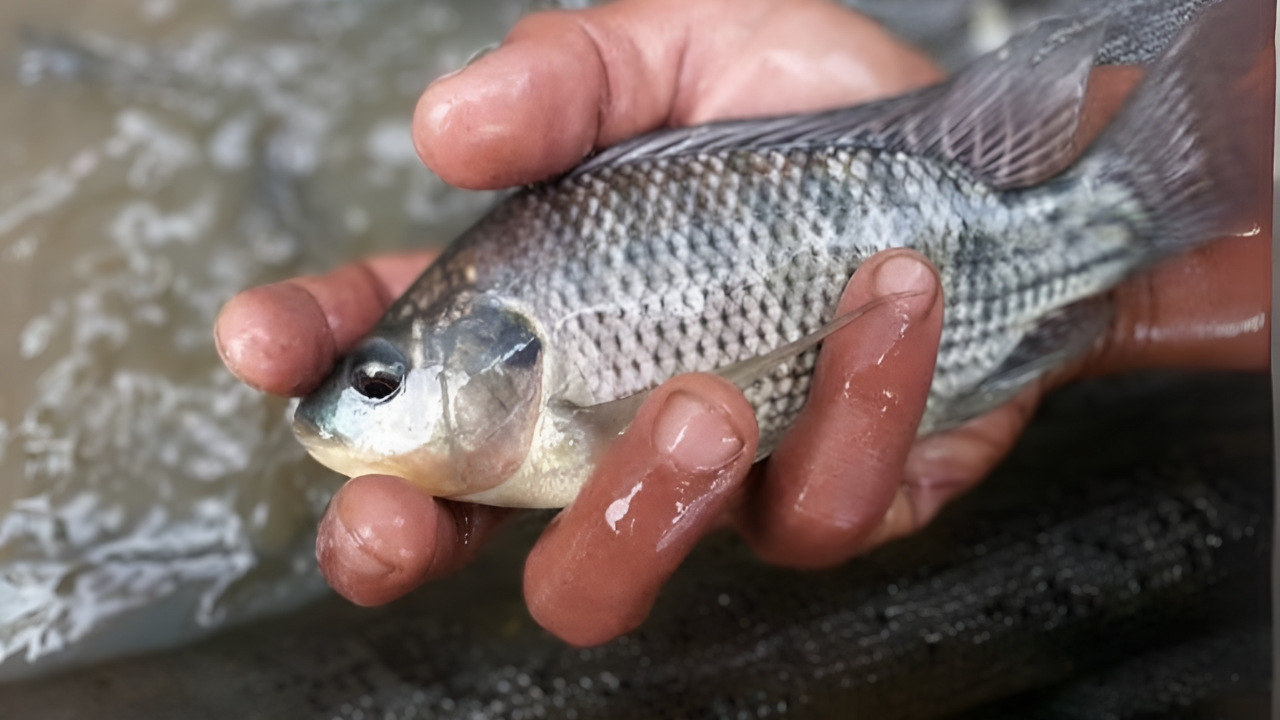

Tilapia (Oreochromis niloticus) is a freshwater fish widely recognized, particularly as a delicious and nutritious food source. Though not native to Indonesian waters, this African fish has rapidly spread throughout the archipelago. Its presence has significantly contributed to the Indonesian fisheries sector, serving as both a food source and a valuable economic commodity.
Generally, tilapia's nutritional content is comparable to other freshwater fish like carp or catfish. It is rich in protein, omega-3 fatty acids, vitamins, and minerals beneficial to human health. As such, it is highly sought after as an affordable and versatile source of animal protein.
However, tilapia's popularity in aquaculture extends beyond its nutritional value. This fish possesses several advantages that make it a favorite among fish farmers. One key advantage is its ease of breeding, as tilapia reproduces quickly and yields large numbers of offspring. Additionally, tilapia has a fast growth rate, reaching marketable size relatively quickly.
Tilapia is also known for its strong resistance to various diseases, making it an ideal choice for farming in diverse aquatic conditions. Its relatively large size and adaptability to a range of environments, from ponds and reservoirs to rivers, make it one of the easiest species to cultivate. Its affordability compared to other fish further enhances its appeal in the market as a fresh and processed product.
Habitat and Environmental Conditions
Tilapia is renowned for its exceptional adaptability to various aquatic conditions, granting it great flexibility in habitat selection. It thrives in deep and expansive waters, such as lakes or reservoirs, and smaller, more confined spaces like narrow and shallow ponds. This advantage allows tilapia to be cultivated in various aquatic environments, from natural to artificial, with minimal infrastructure requirements.
Besides thriving in deep waters, tilapia also demonstrates good resilience in rivers with moderate currents. Habitats like reservoirs, swamps, rice fields, and brackish water ponds are ideal for tilapia farming. It can even survive in floating net cages in the sea, showcasing its flexibility in coping with varying water salinity. This adaptability to various environmental conditions is a primary reason for tilapia's widespread popularity in aquaculture across different regions.
However, in tilapia farming, the availability of quality water remains a key factor in determining success. Although tilapia is known for its hardiness, good water quality is still necessary to ensure optimal growth and fish health. Clean, oxygen-rich water is crucial, particularly in intensive farming systems like cages and earthen ponds.
Floating Net Cages as a Medium for Aquaculture

Fish cages at the Dairi tourist attraction: manru/mistar
Floating net cages (locally known as "keramba") are a traditional technology used for extensive fish farming. Unlike static earthen ponds, net cages offer more flexibility as they utilize the dynamic nature of water bodies as the cultivation area. The net cage system, or more commonly known as Floating Net Cage (KJA), has long been a mainstay for fish farmers in Indonesia, particularly in water areas such as reservoirs and lakes. This technology has several advantages that keep it relevant and widely used today.
One of the main advantages of net cages is the higher level of security for the farmed fish. With the fish confined within the net enclosure, the risk of fish loss due to predators or theft can be minimized. This certainly facilitates the cultivation process, as the fish remain within a controlled area. Additionally, the relatively limited size of net cages allows fish farmers to more easily monitor the overall condition of the fish. The harvesting process also becomes simpler and faster, so the harvest can be quickly calculated and marketed, providing clear economic benefits for fish farmers.
Net cages are not only practical in terms of maintenance but also affordable in terms of cost. According to Fachmijany, a researcher from the Limnology Research Center of the Indonesian Institute of Sciences (LIPI), net cages are favored by farmers because they are relatively easy to implement and inexpensive. The installation and maintenance processes of net cages do not require large investments or sophisticated technology, making this technology accessible to farmers from various economic backgrounds. Another advantage of net cages is their resistance to varying environmental conditions, such as changes in temperature and water quality, which keeps them operational even in less-than-ideal conditions, such as during the dry season when water availability is often a major constraint.
The construction of net cages consists of two main parts, namely the frame and the net bag. The frame, made of sturdy materials such as iron or PVC, ensures that the net cage structure is durable and can withstand the weight of the net and the fish cultivated within it. Meanwhile, the net bag, made of water-resistant and sunlight-resistant materials such as nylon, provides maximum protection for the fish from harmful external influences. With the fish confined within the net bag, farmers have full control over the aquatic environmental conditions where the fish are cultivated. This allows for better management of aspects such as water quality, feeding, and disease control.
In Indonesia, net cages have become a very popular fish farming technology, especially in areas with vast water bodies such as reservoirs and lakes. Their popularity is not limited to tilapia farming but also extends to various other types of freshwater fish with high economic value. This makes net cages the primary choice for fish farming ventures in open waters, further strengthening their role in the national fisheries sector.
Earthen Ponds as a Cultivation Medium

Tilapia farming using earthen ponds
Earthen ponds represent one of the simplest and most primitive forms of fish farming technology, yet they remain relevant to this day. Constructed entirely from soil, these ponds are built on cultivated land and are typically found in rural areas. Before water is introduced, the soil undergoes liming and fertilization. Liming aims to stabilize the soil pH and eliminate pathogens or harmful organisms, while fertilization enriches the soil with nutrients, promoting the growth of microorganisms that will serve as a natural food source for the fish.
The primary advantage of earthen ponds lies in their relatively affordable construction costs and simple building process. Compared to other aquaculture systems that require more advanced infrastructure and technology, earthen ponds can be built with readily available materials from the surrounding environment. Their construction doesn't demand specialized skills, making them easily accessible to the general public. This makes earthen ponds an ideal choice for fish farmers in rural areas looking to start fish farming with minimal capital.
Furthermore, earthen ponds offer the advantage of a more natural environment. The pH level and water temperature in earthen ponds are generally regulated by nature, eliminating the need for complex control mechanisms. Water temperature tends to remain stable and suitable for fish life, except in extreme conditions. The natural pond conditions also allow for the abundant formation of natural food sources such as plankton and microscopic animals. The presence of this natural food is crucial for increasing fish survival rates, especially in the early stages of life.
Earthen ponds are typically built on land with clay or sandy clay soil texture, having a pH between 5 and 8 ppm. This ideal soil texture is essential to ensure the pond can retain water effectively without leakage. The ideal land elevation for constructing earthen ponds ranges from 0 to 1,000 meters above sea level. The structure of an earthen pond consists of two main parts: a basin formed in the ground to hold water, and pond walls or embankments that serve to prevent water leakage. This simple construction allows earthen ponds to function well as efficient and environmentally friendly fish farming containers.
Comparison Between Cage and Earthen Pond Culture
The following table compares the quality and advantages of tilapia cultivated in cages and earthen ponds:

From the table above, it can be seen that each farming method has its own advantages and disadvantages. Cages are safer and produce tilapia with better meat quality but require higher costs and special skills in their construction. On the other hand, earthen ponds are easier to build at a lower cost, but they have a higher security risk and the fish meat quality can sometimes have a muddy odor.