
Panama has long been recognized for its well-established aquaculture infrastructure, particularly in shrimp farming. However, the country faces significant challenges due to the devastating impact of Early Mortality Syndrome (EMS), also known as Acute Hepatopancreatic Necrosis Disease (AHPND). This disease has caused a sharp decline in shrimp production, resulting in substantial losses for shrimp farmers in Panama. The repercussions of AHPND are not limited to Panama, as neighboring Central American countries like Nicaragua, Honduras, and Belize, as well as several Asian nations, have also suffered greatly from this disease.
In response to this pressing challenge, the Banglele Aquaculture Smart Farming (BASF) system has emerged as a potential solution for vannamei shrimp farming in Panama. BASF is a closed aquaculture system designed to mitigate the risk of disease transmission, including viruses, bacteria, and fungi, while also reducing the spread of pests often carried by intermediary hosts such as animals and humans. Its innovative features make BASF highly suitable for Panama, aligning with the country's unique topographical and climatic conditions.
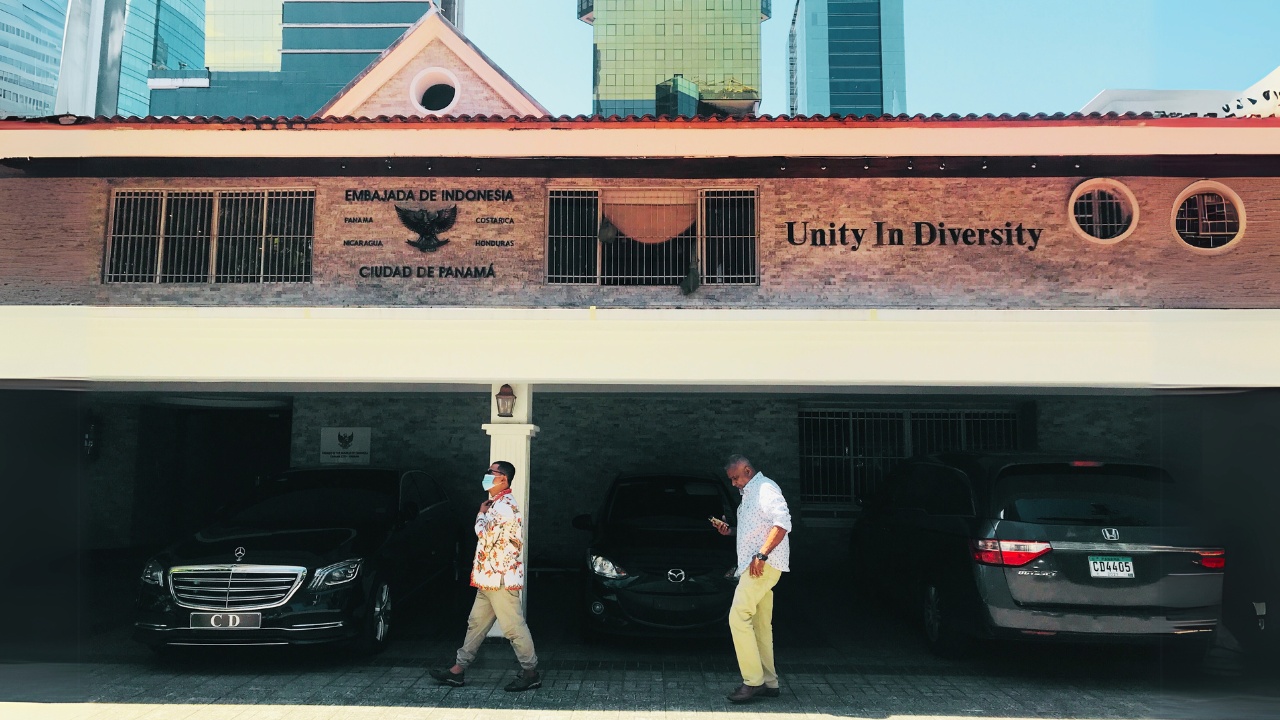
This sentiment was echoed by Mr. Barkah Tri Basuki, a representative of Banglele Indonesia, who introduced the BASF system to Grupo Calesa, a leading aquaculture company in Panama, during a visit in 2021. Grupo Calesa's interest in the system underscores its relevance and potential in the Panamanian aquaculture industry.
Panama offers a conducive environment for investment in aquaculture, particularly vannamei shrimp farming, owing to its political stability and rapidly developing infrastructure. The Panama Canal, a critical artery of global trade, further enhances the country's strategic economic position. Additionally, Panama’s thriving economy, one of the fastest-growing in Latin America despite its modest population of around 3.5 million, provides a strong foundation for sustainable aquaculture initiatives.
Geographically, Panama enjoys significant advantages for aquaculture development. Located outside the hurricane belt, it is spared from the extreme weather events that frequently disrupt aquaculture operations in other parts of Central America. Moreover, the country's favorable topography supports the implementation of closed farming systems like BASF, which ensures consistent, high-quality shrimp production throughout the year.
Another key strength of Panama lies in its biosecurity. As a country that does not import shrimp or shrimp products, Panama remains free from specific pathogens that pose a threat to shrimp farming industries globally. Over the past 20 years, the nation has maintained a disease-free status for shrimp, creating an ideal environment for sustainable aquaculture systems. This unique advantage allows Panama to minimize disease risks, maintain product quality, and enhance its competitiveness in the global shrimp market.
The advantages of Panama's aquaculture infrastructure
Panama boasts a robust aquaculture infrastructure, making it highly suitable for vannamei shrimp farming. This infrastructure includes well-established hatchery facilities, the capacity for producing high-quality feed, and efficient harvest processing systems. Additionally, Panama benefits from strong export markets, particularly with major economies like the United States, Europe, and Japan. Its favorable market access is further bolstered by close economic and political ties with the United States, a relationship underscored by Panama's use of the US dollar as its official currency.
The United States serves as the primary market for Panama’s shrimp exports, with a significant demand for shrimp. The U.S. shrimp market operates at a trade deficit of approximately $4 billion annually, positioning it as one of the largest consumers of shrimp globally. While major shrimp-producing countries like Ecuador dominate shrimp exports to the U.S., Panama offers a comparative advantage with lower production costs. Labor, land, and seed costs in Panama are roughly one-third of those in the United States, and feed costs are approximately half, giving Panama a competitive edge in production efficiency.

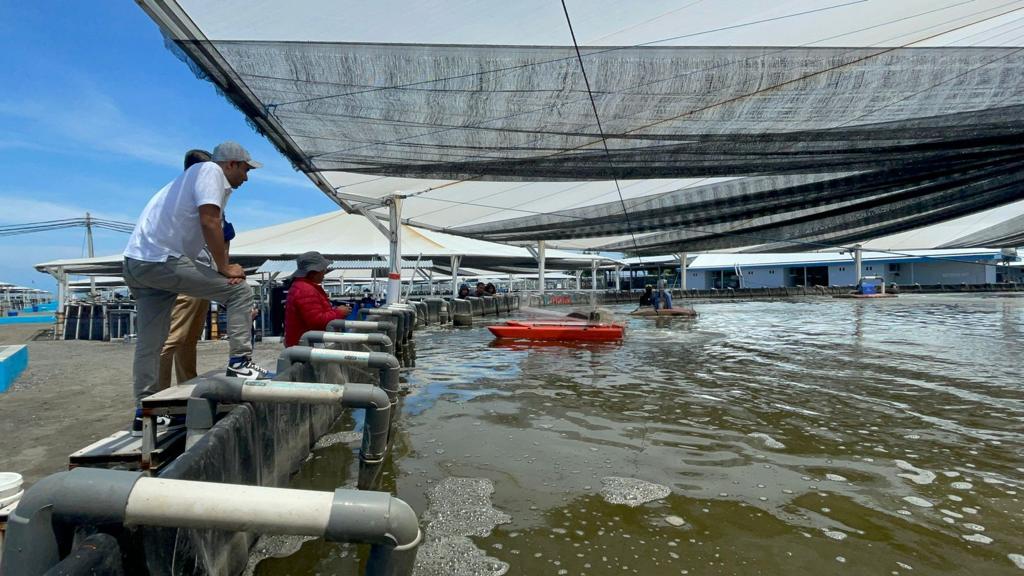
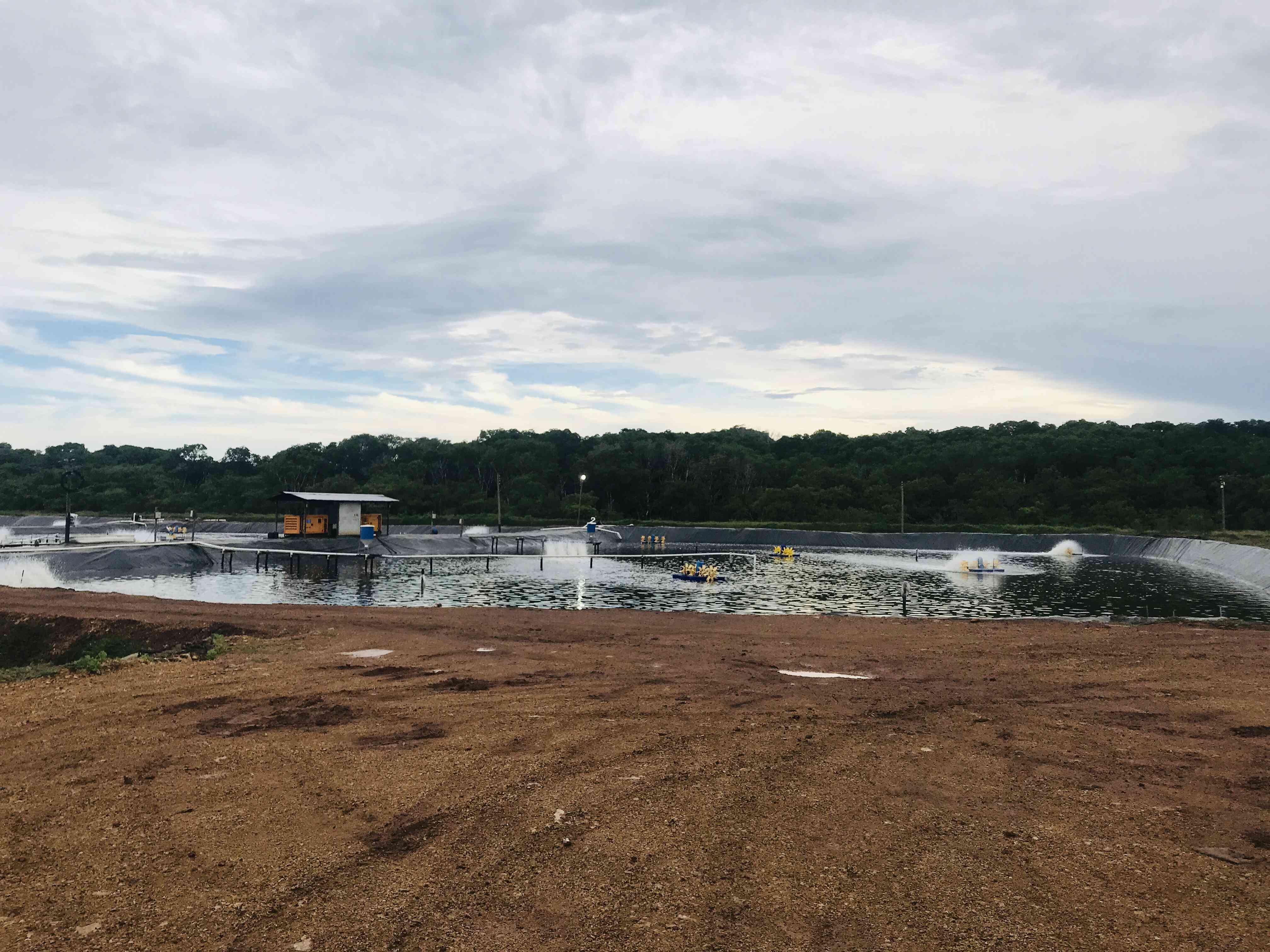
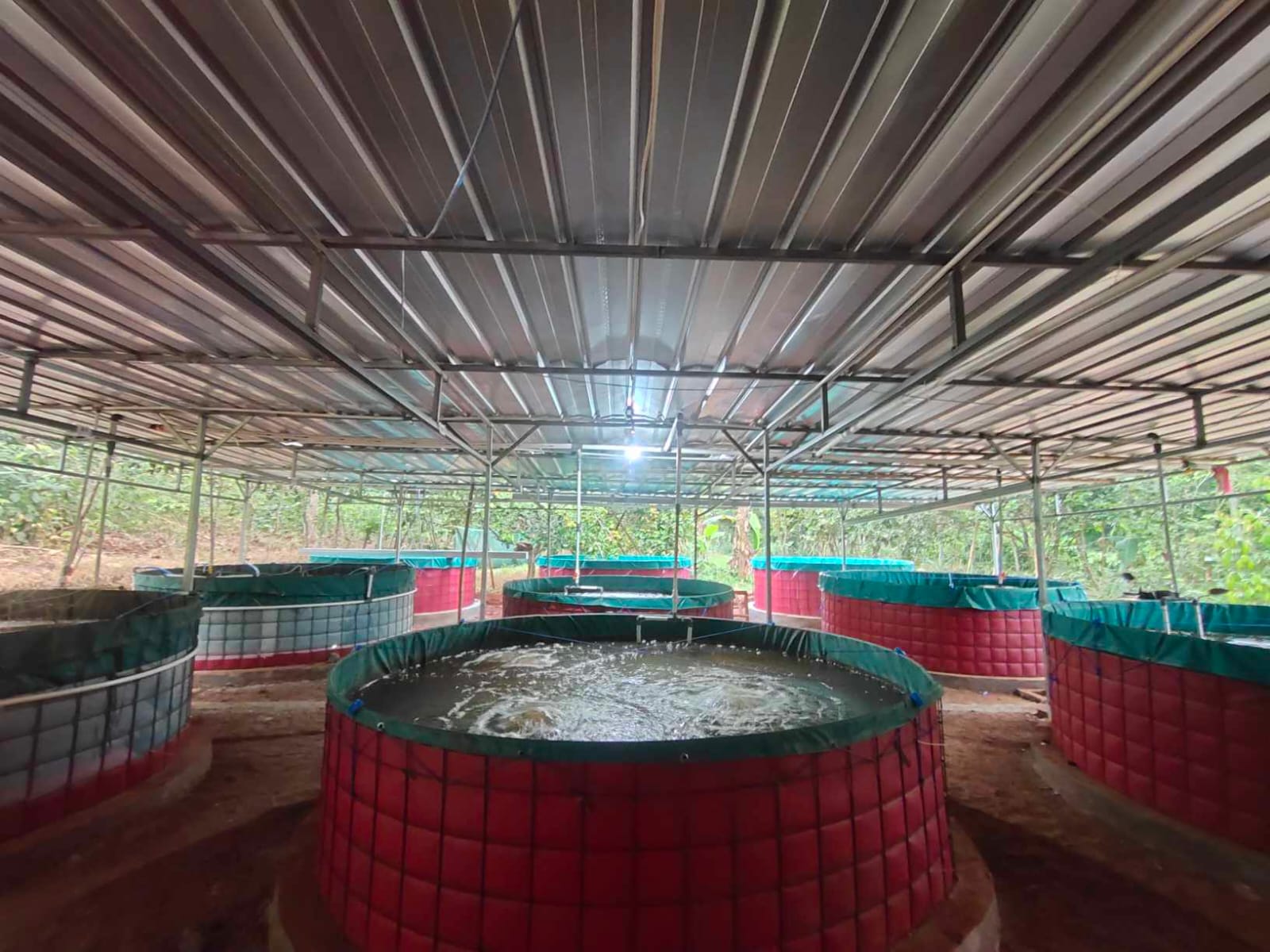
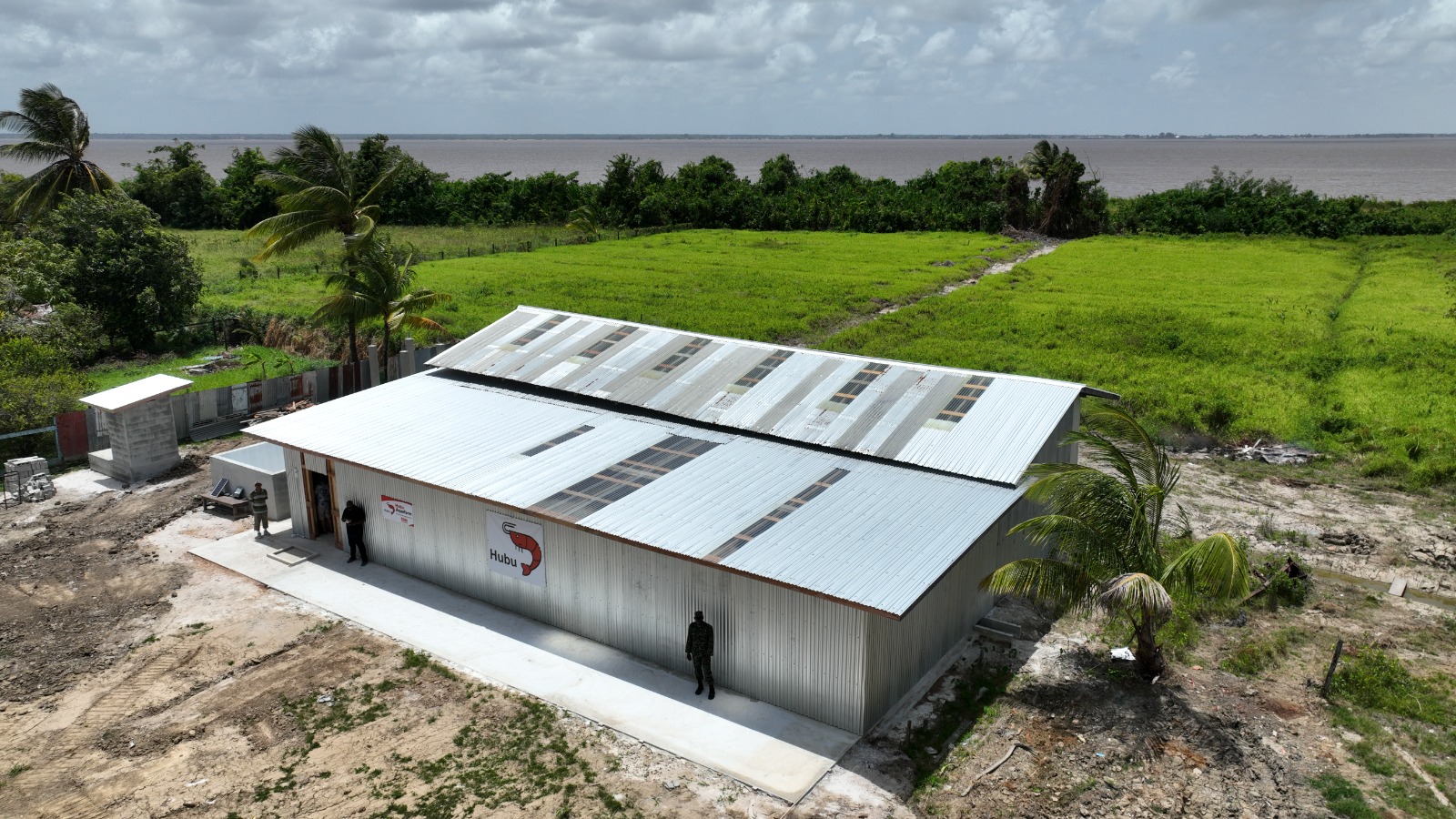
Shrimp produced by farms in Panama
Geographically, Panama enjoys a significant advantage due to its location outside the hurricane belt, making it safer than other Latin American countries frequently affected by storms. Over the past 25 years, hurricanes have caused aquaculture losses exceeding $50 million in the region. In contrast, Panama's aquaculture industry remains relatively shielded from such disruptions.
Furthermore, Panama's ample rainfall supports water needs for zero-exchange aquaculture systems, an essential feature for modern closed-system shrimp farming. This natural abundance of freshwater not only ensures sustainability but also enhances the viability of shrimp farming practices that prioritize environmental responsibility.
Challenges in open pond shrimp farming
The global shrimp aquaculture industry largely relies on open pond systems for production. These systems require regular water exchange to maintain water quality and prevent waste accumulation. However, this water exchange is a primary pathway for the transmission of diseases that threaten the sustainability of shrimp farming. Pathogen-laden water can easily spread infections among shrimp populations, significantly reducing pond productivity.
In response to these disease risks, many farmers resort to early harvests, even when the shrimp have not reached optimal size. This precautionary measure aims to avoid the greater losses associated with disease outbreaks and crop failures. However, early harvesting diminishes the economic value of the yield, as smaller shrimp fetch lower prices in the market.
In Asia, one of the largest regions for shrimp aquaculture, the economic impact of diseases has been staggering, with estimated losses of around $20 billion over the past decade. In some Asian countries, disease outbreaks have reduced production by as much as 50%. This situation has raised significant concerns, not only for the aquaculture industry but also for food security and the economies of many nations in the region.
Beyond disease challenges, the shrimp industry faces stringent inspection standards in export markets, adding another layer of difficulty for producers. In the United States, for instance, less than 2% of imported seafood undergoes government inspection. Yet, during the period from 2003 to 2006, approximately 20% of rejected seafood products were found to contain Salmonella bacteria. This underscores a concerning health risk despite the low inspection rates.
These challenges have prompted shrimp-producing nations to explore safer and more sustainable farming systems. The goal is to ensure high-quality shrimp production that meets international market standards while minimizing the risks associated with disease outbreaks and food safety concerns. Transitioning to innovative and resilient farming methods is becoming increasingly critical for the future of global shrimp aquaculture.
The BASF system: an innovative solution for shrimp farming in Panama
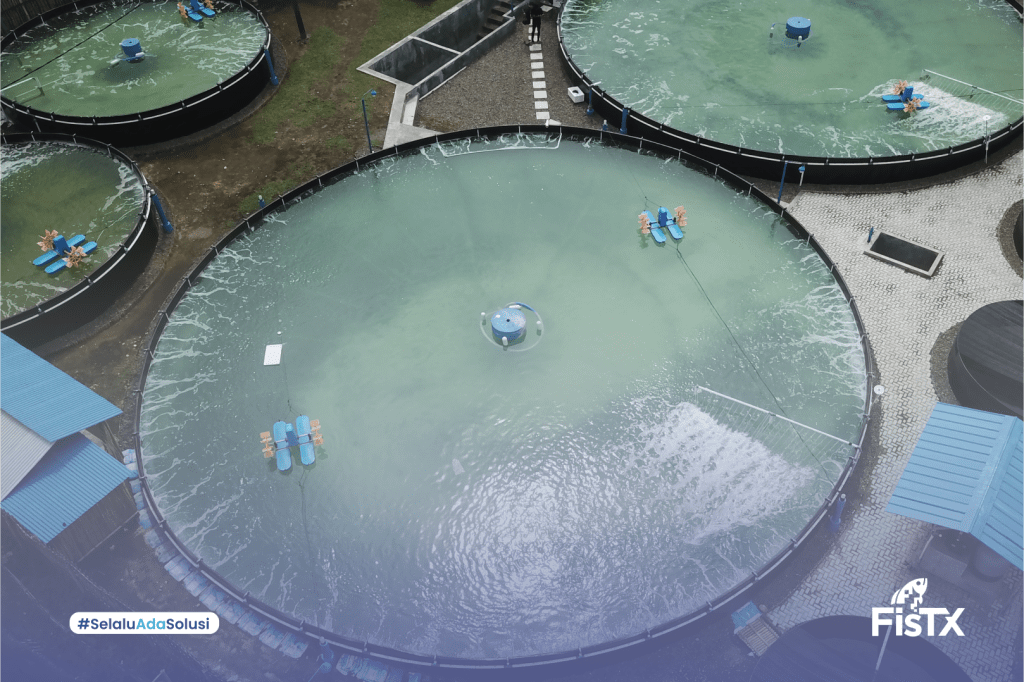
The BASF system is regarded as an innovative solution for addressing the challenges of shrimp farming in Panama, particularly those associated with open pond systems. This closed farming system eliminates water exchange with the surrounding environment, significantly reducing the risk of external pathogens such as viruses, bacteria, and fungi. By creating a stable and controlled environment, the BASF system enhances the health of vannamei shrimp and mitigates the threat of disease transmission.

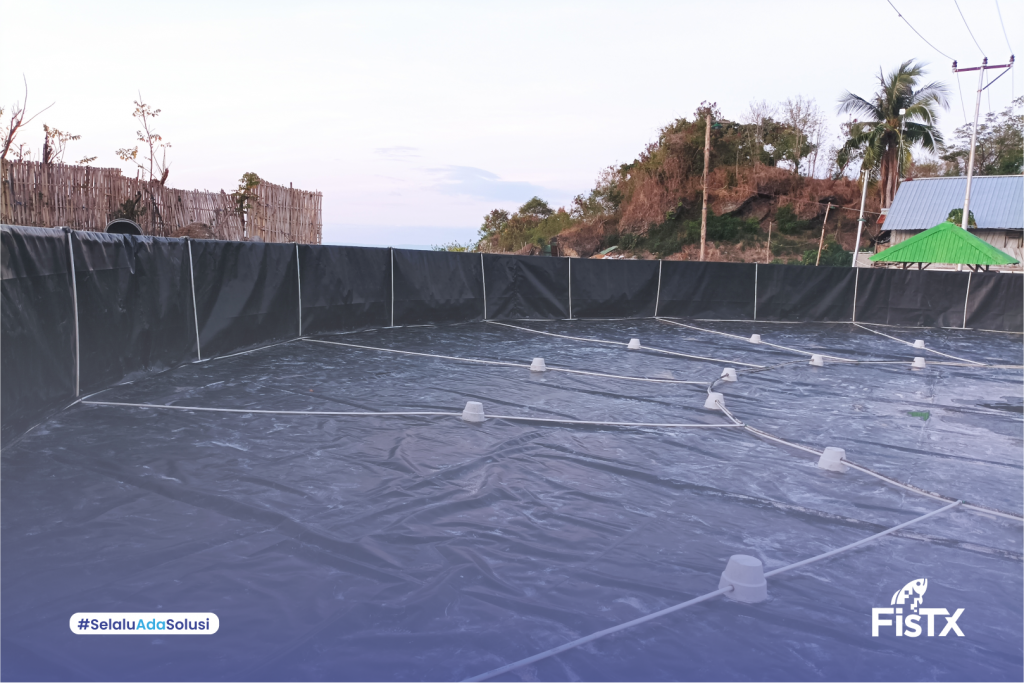
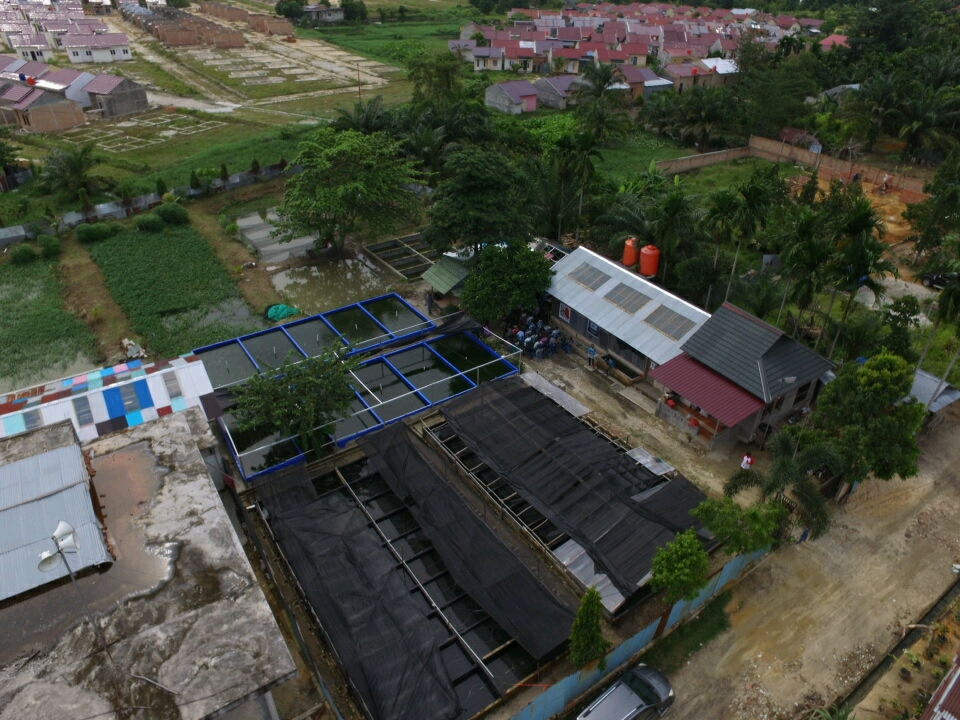
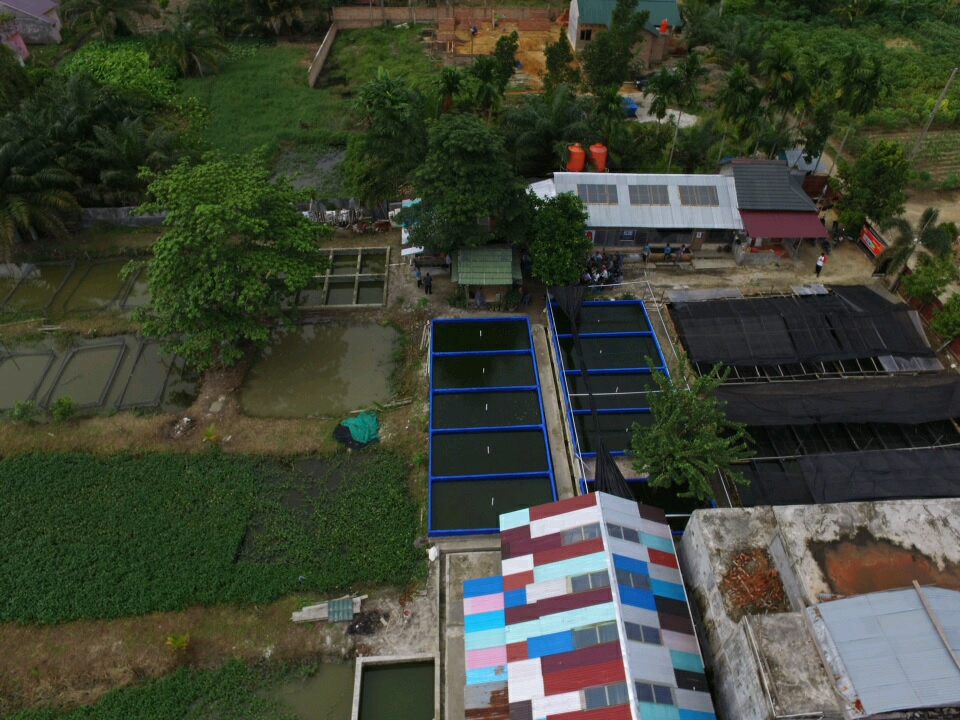
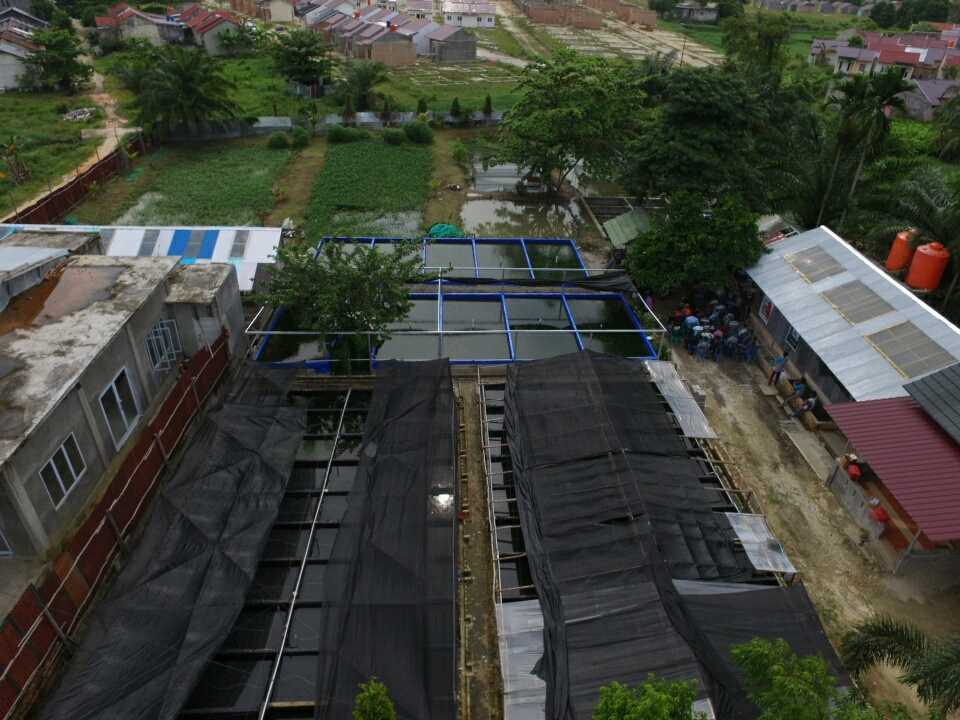
The farm design utilizes the BASF system
With no direct contact with the external environment, the BASF system also minimizes the entry of pests often carried by wildlife or human activity. In open pond systems, pests such as birds and insects, as well as human movement, can introduce and spread diseases. The closed nature of the BASF system effectively reduces these risks, leading to improved productivity and higher-quality harvests.
Another significant advantage of the BASF system is its ability to support year-round sustainable shrimp farming. Panama’s tropical climate, characterized by consistent rainfall, aligns well with the requirements of a closed aquaculture system. Unlike other tropical regions, where extreme seasonal variations—such as intense rainy seasons or prolonged dry periods—disrupt shrimp farming, Panama’s relatively stable climate allows for uninterrupted production.
This advantage is particularly noteworthy when compared to shrimp farming in Asia and other parts of Latin America, where seasonal challenges like monsoon storms, droughts, and excessive rainfall frequently impact the quality and quantity of shrimp harvests. The BASF system not only offers environmental stability but also integrates modern, efficient, and eco-friendly technologies.
By leveraging this system, critical water quality parameters such as pH, oxygen levels, and temperature can be monitored and controlled with precision. This ensures that vannamei shrimp are consistently provided with optimal conditions for growth and development.
The BASF system’s ability to address these challenges while promoting sustainability and efficiency positions it as a valuable innovation for Panama’s shrimp farming industry, setting a benchmark for modern aquaculture practices worldwide.